Introduction
Acne is often blamed on skincare products or hormones, but diet plays a much bigger role than many people realise. At Tune Clinical Aesthetics, many clients ask what foods cause acne and whether everyday eating habits could be triggering persistent breakouts. In Indian households, meals are rich in carbohydrates, dairy, sugar, and fried foods, ingredients that can quietly influence skin health. Understanding how food choices affect oil production, inflammation, and gut health helps manage acne more effectively. When a balanced, skin-supportive diet is combined with professional acne skincare and clinical treatments, long-term improvement becomes far more achievable, especially for Indian skin types.
Understanding the Diet and Acne Relationship
The diet and acne relationship is complex but well recognised in clinical practice. Certain foods can increase oil production, inflammation, and hormonal fluctuations, all of which contribute to clogged pores and breakouts. Indian skin, which naturally produces more sebum, often reacts faster to dietary imbalances.
Many clients notice flare-ups after festive eating, irregular meal timings, or prolonged consumption of processed foods. While diet alone may not cause acne, it can significantly worsen existing skin conditions. Addressing food habits alongside medical treatment creates a more balanced approach to clearer skin.
What Foods Cause Acne in Indian Diets?
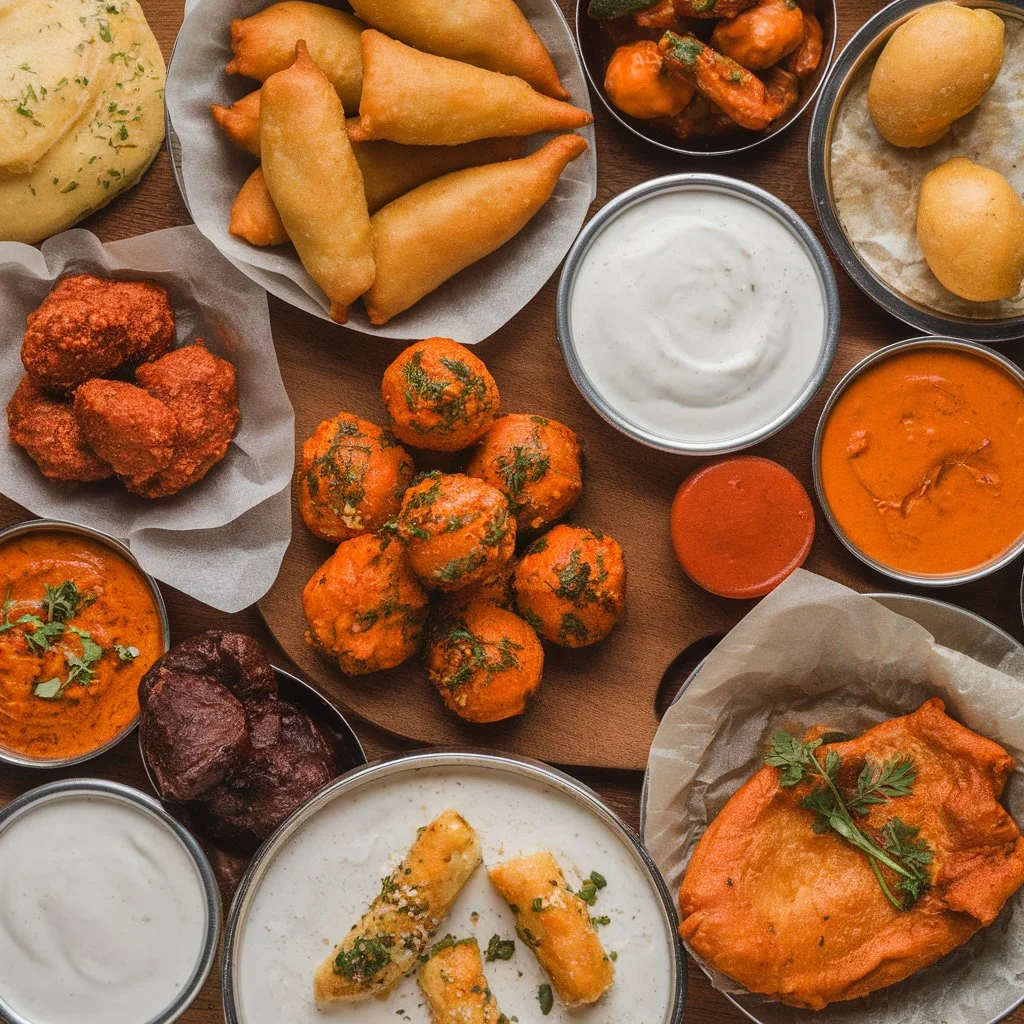
When discussing what foods cause acne, it’s essential to look at commonly consumed Indian foods rather than extreme diets. Certain everyday items can quietly aggravate acne when eaten frequently.
High glycemic foods and acne are closely linked. Foods like white rice, refined flour snacks, sugary beverages, and sweets cause rapid blood sugar spikes, increasing oil production. Sugar intake and acne often go hand in hand, especially with frequent consumption of desserts, packaged juices, and bakery items. Over time, these habits can lead to persistent breakouts and dull skin.
Dairy Products and Acne – Should You Be Careful?
Dairy products and acne are frequently discussed in acne management. Many clients notice increased breakouts after consuming milk, paneer, or flavoured dairy drinks. The milk and acne connection is linked to hormones present in dairy, which can stimulate oil glands.
This does not mean all dairy needs to be eliminated, but excessive intake, particularly of processed milk products, may worsen acne in some individuals. Understanding personal tolerance is key, particularly for those already struggling with hormonal or inflammatory acne.
How Junk Food and Fried Foods Trigger Pimples
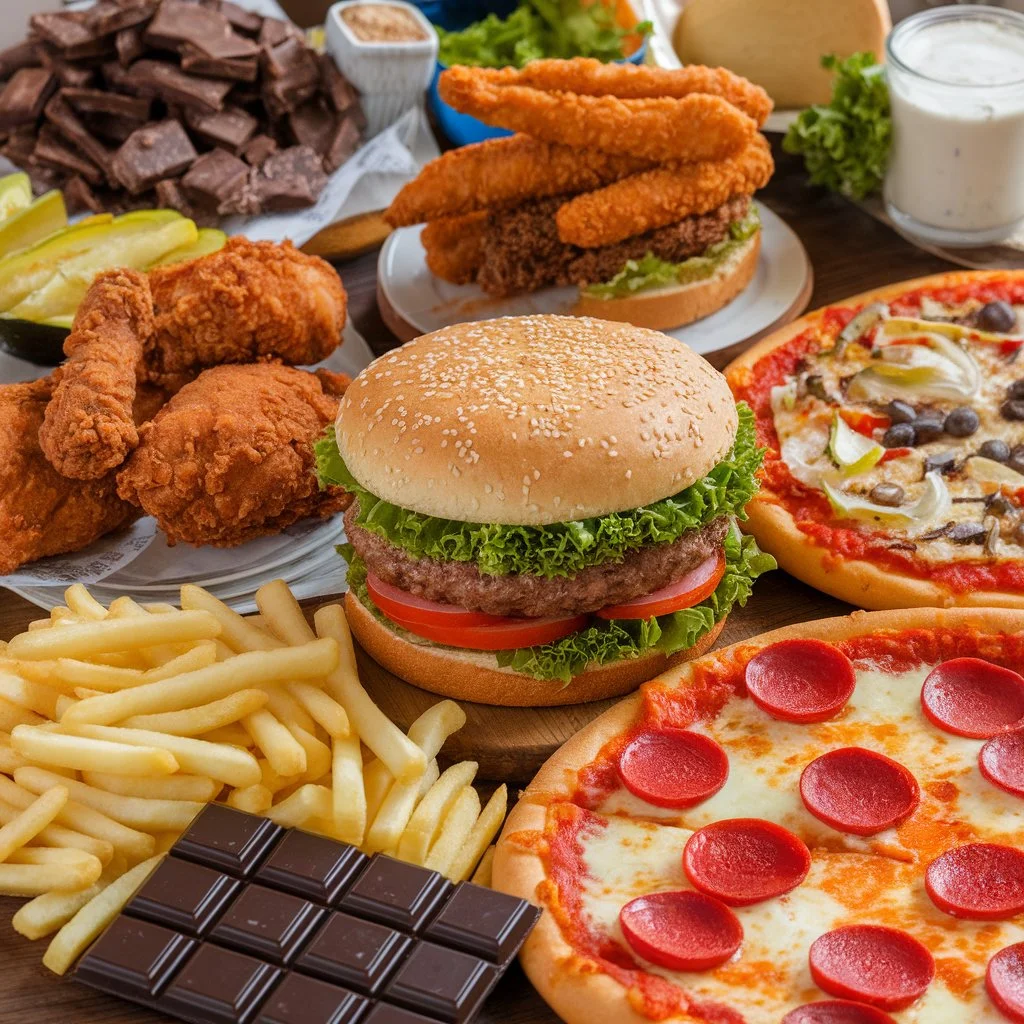
Deep-fried snacks, fast food, and packaged items are high in unhealthy fats that promote inflammation. Junk food and pimples often appear together because these foods disrupt gut health and oil balance.
Clients with acne-prone skin frequently notice breakouts after regular consumption of chips, fried street food, or late-night fast food meals. While occasional indulgence is regular, consistent intake can delay acne healing and worsen skin texture.