Inflammatory Acne: Painful and More Severe
Papules and Pustules
Papules appear as red, tender bumps without pus, while pustules contain visible white or yellow fluid. Papules and pustules of acne often flare due to bacterial activity and inflammation. Many clients try to pop these lesions, which increases the risk of pigmentation and scarring, particularly on Indian skin tones.
Nodules and Cysts
Nodular acne develops deep within the skin and often feels firm and painful to the touch. Because these lesions form below the surface, nodular acne and pimple treatment requires professional care rather than home remedies or over-the-counter products.
These breakouts fall under severe acne grades and can lead to permanent scarring if not treated correctly. Effective management typically involves medically supervised treatment that targets inflammation, infection, and underlying causes to prevent long-term skin damage.
Fungal Acne vs Bacterial Acne: Why Identification Matters
Many people confuse fungal acne with bacterial acne, as both appear similar on the surface. However, fungal acne vs bacterial acne differs in cause and treatment approach. Fungal acne is triggered by yeast overgrowth, often aggravated by sweating and tight clothing, while bacterial acne involves clogged pores and bacteria.
Using the wrong products can worsen breakouts. Accurate diagnosis ensures that treatments target the root cause rather than masking symptoms.
How to Identify What Type of Pimple You Have
Clients often ask how to know what type of pimple they have. Key indicators include size, colour, pain level, duration, and whether pus is present. Observing how pimples behave over time provides clues about whether they are inflammatory or non-inflammatory. Professional evaluation helps identify pimple types accurately and prevents trial-and-error treatments that may harm the skin barrier or trigger pigmentation.
Pimple Types and Treatment: Why Professional Care Makes a Difference
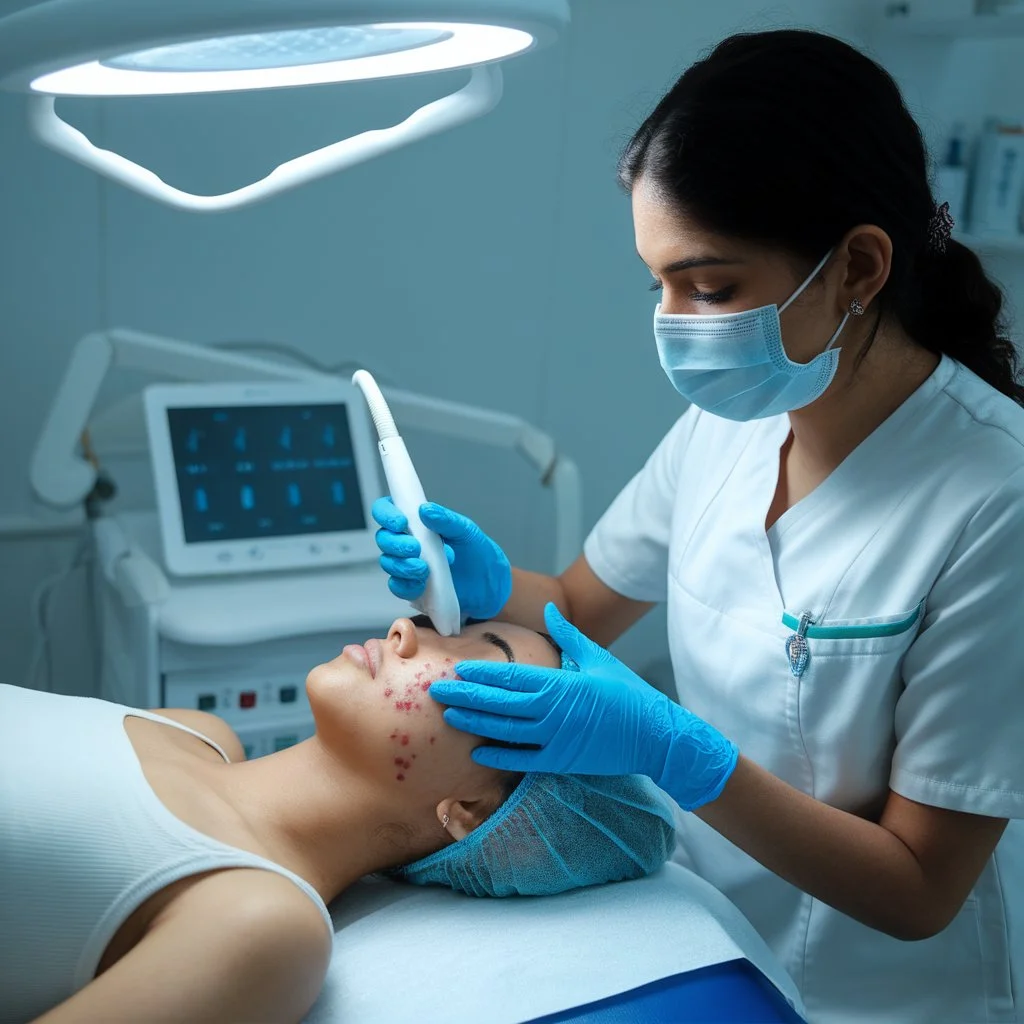
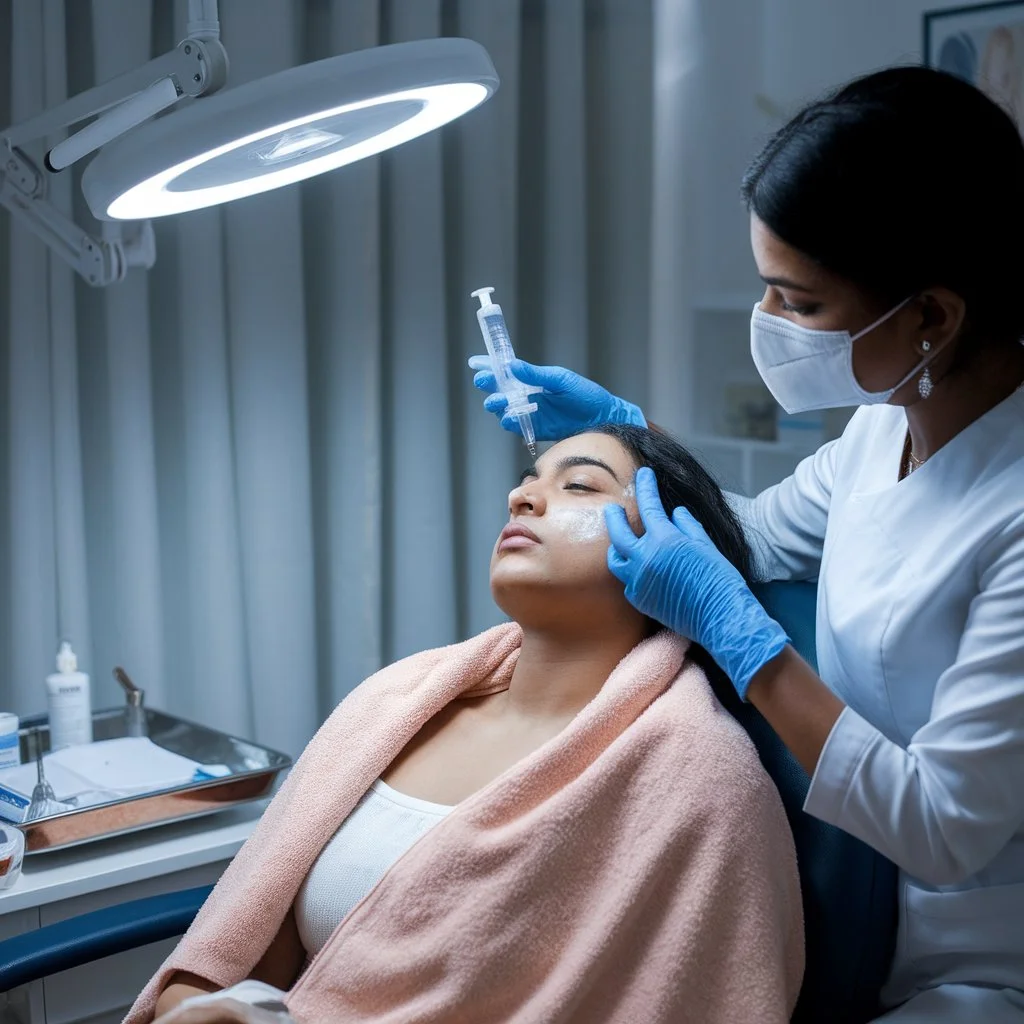
Different pimple types respond differently to treatment. While mild cases may improve with consistent skincare, persistent or painful acne needs expert attention. Advanced technologies chemical peeling, doctor supervised care, and customised protocols ensure safer healing, reduced marks, and long term skin clarity, especially important for Indian skin exposed to sun and pollution.
Conclusion
Understanding the many types of pimples are there helps you take the right steps toward clearer, healthier skin. Each pimple type reflects what is happening beneath the surface, and early identification prevents long-term damage, including concerns such as back acne, which often goes unnoticed until marks develop. Tune Clinical Aesthetics offers scientifically backed, personalised treatments designed specifically for Indian skin types. If acne or recurring breakouts are affecting your confidence, expert guidance can help you restore balance and achieve smoother, healthier skin safely.