

Chemical Peel for Pimples: Is It Right for Your Skin?
- Home
- Acne Scars
- chemical peel for pimples
Introduction
A chemical peel for pimples is increasingly recommended for individuals who want clearer skin without relying on harsh medications. However, many still wonder whether chemical peels are safe for Indian skin tones and if they genuinely help control acne. While over-the-counter products may offer temporary relief, they often fail to address deeper issues such as clogged pores, uneven texture, and early pimple marks. This is where advanced clinical treatments come into focus. Understanding how chemical peels work, who they are suitable for, and what results to expect can help you make confident, informed decisions about your skin health.
What Is a Chemical Peel and How Does It Work on Pimples?
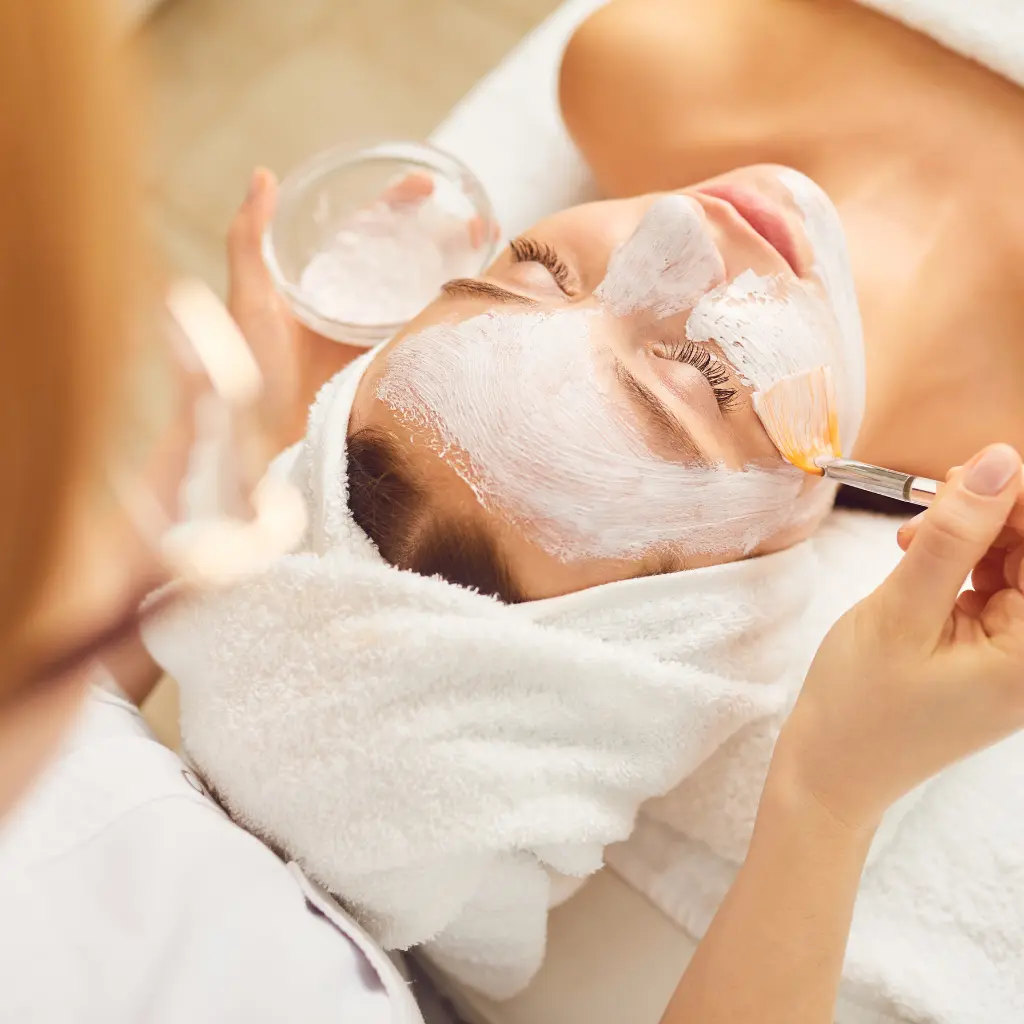
A chemical peel is a professional skin treatment that uses carefully selected acids to exfoliate the top layers of the skin. For Indian skin, peels are chosen with caution to avoid irritation and pigmentation. When performed under medical supervision, chemical peels help calm active breakouts while encouraging healthier skin renewal. Many clients notice smoother skin texture and fewer recurring pimples as oil balance improves over time.
Do Chemical Peels Get Rid of Pimples? What to Expect
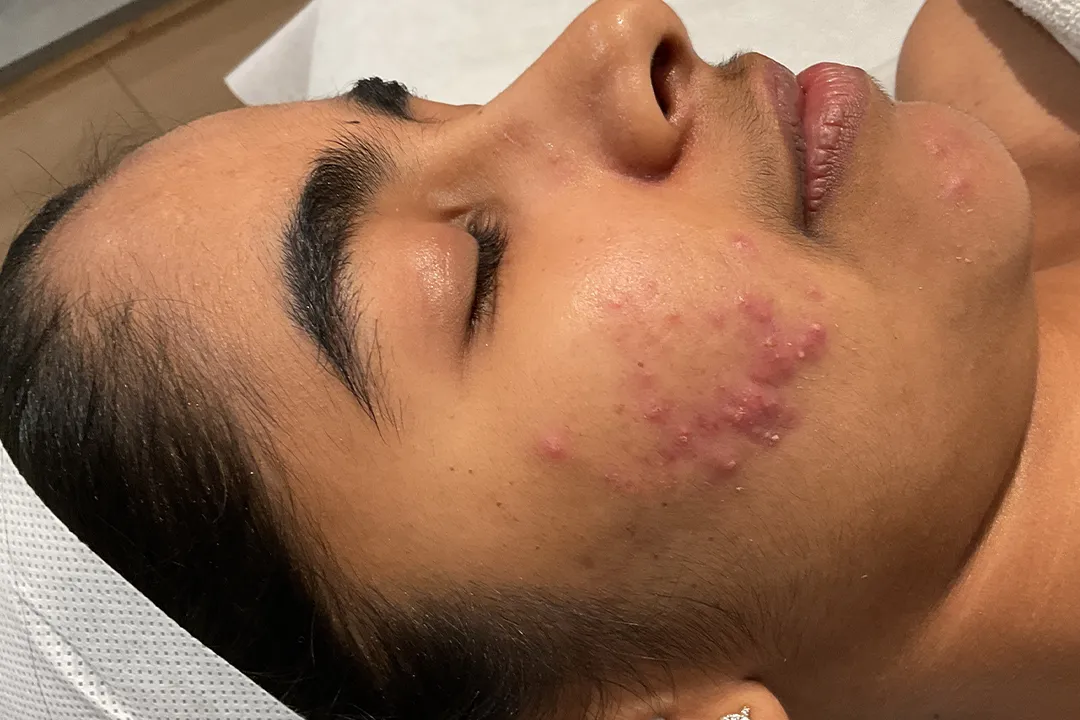
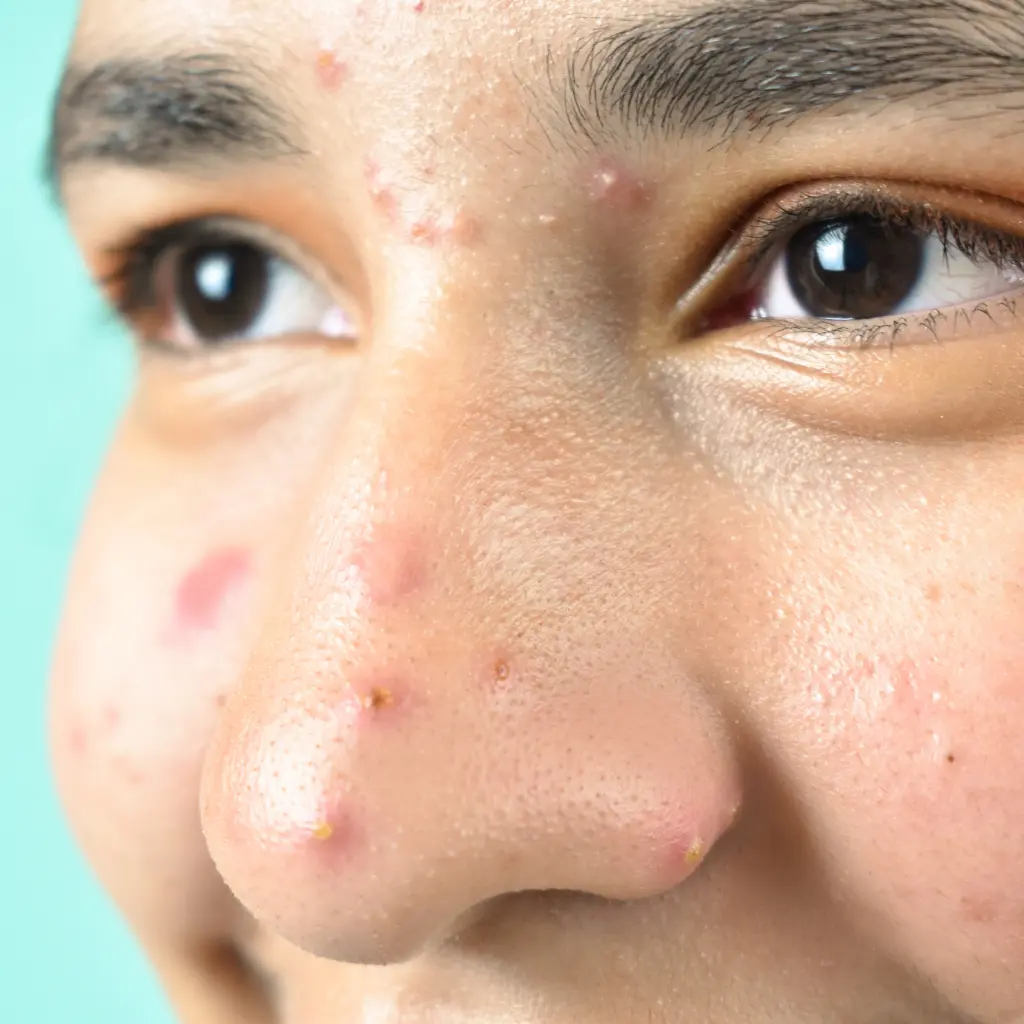
Many patients ask, “Do chemical peels get rid of pimples completely?” The answer depends on the type of pimple and severity. Chemical peels are highly effective for mild to moderate acne, blackheads, and whiteheads. They help control oil production and reduce bacterial buildup on the skin.
While peels are not an overnight cure, consistent sessions can significantly reduce active breakouts. With India’s climate constantly triggering sweat and oiliness, regular professional peels help maintain long-term acne control and prevent frequent flare-ups.
Chemical Peel for Pimples: Benefits for Indian Skin
The chemical peel for pimples benefits extend beyond acne control. These treatments improve overall skin quality while addressing multiple concerns at once.
Key benefits include:
- Reduced frequency of pimples and clogged pores
- Visible improvement in skin texture and tone
- Fading of early pimple marks and pigmentation
- Enhanced collagen stimulation for acne scars
- Brighter, healthier-looking skin suited for Indian complexions
With proper selection, chemical peels support long-term skin balance rather than temporary fixes.
Best Chemical Peel for Pimple Marks and Uneven Texture
Pimple marks are a common concern among Indian clients, as pigmentation tends to linger longer on deeper skin tones. The best chemical peel for pimple marks is chosen based on skin sensitivity, acne history, and lifestyle factors.
Peels like a glycolic acid peel for acne scars help exfoliate gently while improving cell turnover. Over time, this leads to lighter marks and more even skin tone without aggressive procedures. Controlled treatments reduce the risk of post-inflammatory pigmentation.
Types of Chemical Peels Used for Acne-Prone Skin
Chemical peels are categorised based on depth, and not every peel suits acne-prone Indian skin.
- Superficial chemical peel: Ideal for active pimples, mild marks, and oily skin
- Medium-depth chemical peel: Suitable for pigmentation, texture issues, and early scars
- Deep chemical peel treatment: Reserved for specific cases under strict medical supervision
Choosing the right peel ensures safety, comfort, and consistent improvement without unnecessary irritation.
Chemical Peel Recovery Time and What Indian Clients Should Know
Chemical peel recovery time varies depending on peel strength and individual skin response. Superficial peels usually involve mild redness or dryness for a few days, while medium peels may require slightly more extended downtime. With India’s sun exposure and humidity, post-treatment care is essential to avoid pigmentation. Many clients are advised to plan treatments away from heavy outdoor activities to support smooth healing and better results.
Post Chemical Peel Care for Safe, Lasting Results
Proper post-chemical peel care protects the skin barrier and enhances treatment outcomes. After a peel, skin becomes more sensitive and needs extra protection.
Key care practices include:
- Consistent use of a gentle moisturiser
- Strict sun protection suited for Indian conditions
- Avoiding harsh products and scrubs
- Following clinic-recommended skincare
These steps help prevent irritation and ensure even, healthy skin recovery.
Is a Chemical Peel Right for Your Skin Type?
Not every acne concern needs the same solution. Chemical peels are ideal for individuals dealing with frequent pimples, dullness, mild scars, or uneven texture. However, active infections or extremely sensitive skin may require alternative approaches. Professional assessment helps avoid complications and ensures treatments work in harmony with Indian skin needs.
Why Professional Chemical Peels Deliver Better Results
Clinical chemical peels differ significantly from at-home exfoliation. At Tune Clinical Aesthetics, peels are performed using medical-grade formulations and advanced protocols designed for Indian skin.
Technology-driven assessment, expert supervision, and personalised treatment plans ensure safer outcomes and visible improvement. Many clients appreciate the confidence that comes with guided care rather than experimenting with unsuitable products.
Conclusion
A chemical peel for pimples can be an effective solution for controlling breakouts, improving texture, and reducing pimple marks when chosen correctly. With India’s climate and skin sensitivities, professional guidance is essential for safe and lasting results.
Tune Clinical Aesthetics offers scientifically backed, doctor-supervised chemical peel treatments tailored for Indian skin types. If cysts or pimples, marks, or uneven skin texture are affecting your confidence, expert care can help restore clarity and balance. Reach out to explore personalised solutions designed for healthier, smoother skin.

Highly skilled cosmetologist at Tune Clinical Aesthetics, specializing in advanced skin and hair treatments.