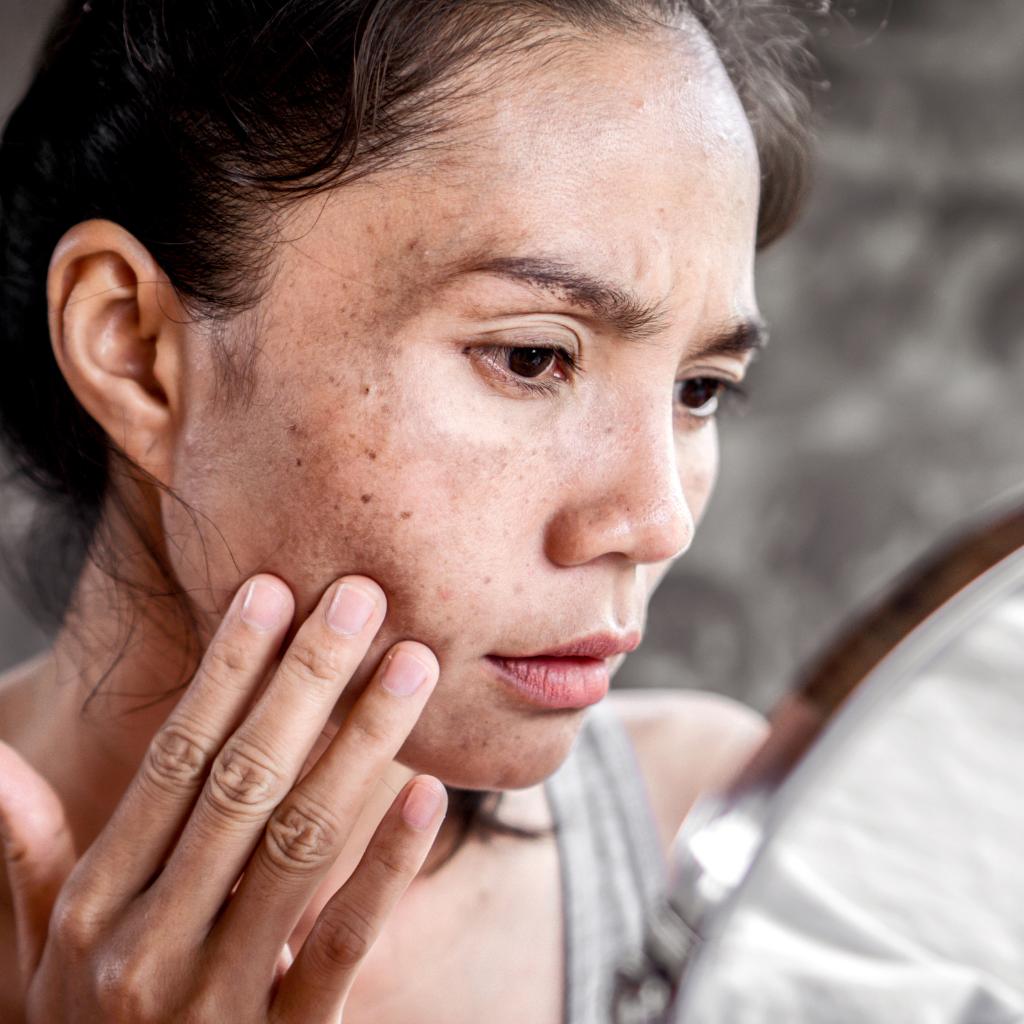
Skin pigmentation refers to the natural colouring of the skin caused by melanin production. Hyperpigmentation occurs when melanin is overproduced in certain areas, leading to dark patches or uneven tone.
Understanding the underlying cause is essential for effective treatment.
How Melanin Affects Skin Colour
Melanin is produced by melanocytes and acts as a natural defence against ultraviolet radiation. When skin is exposed to UV rays, melanin production increases to protect deeper layers.
Two primary forms of melanin determine skin tone:
Eumelanin: Brown to black pigment
Pheomelanin: Red to yellow pigment
Hyperpigmentation develops when melanocytes become overactive in specific areas.
Main Causes of Hyperpigmentation
1. Sun Exposure
Ultraviolet radiation is the leading cause of pigmentation issues.
Repeated sun exposure leads to:
Age spots (solar lentigines)
Uneven skin tone
Worsening of existing pigmentation
Effects accumulate over time, making consistent sunscreen use essential.
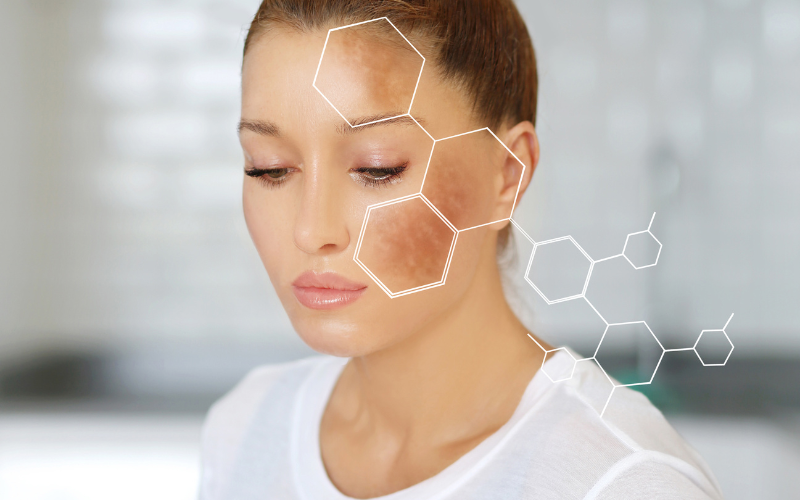
2. Hormonal Changes (Melasma)
Hormonal fluctuations during pregnancy, oral contraceptive use, or menopause can stimulate melanin production.
Melasma typically appears as symmetrical brown patches on:
Cheeks
Forehead
Upper lip
Chin
Sun exposure intensifies this condition.
3. Post-Inflammatory Hyperpigmentation (PIH)
PIH develops after skin injury or inflammation, including:
Hyperpigmentation results from increased melanin production triggered by sun exposure, hormonal changes, inflammation, ageing, medications, or genetic factors. Accurate diagnosis is essential for selecting the appropriate treatment approach.
Early intervention improves outcomes and reduces recurrence risk.