Ingrown hairs on the legs are a common skin concern that occurs when hair grows back into the skin instead of rising above the surface. This leads to red, inflamed bumps that may be itchy, painful, or infected if not managed correctly. Understanding the causes and following proper treatment and prevention methods can significantly reduce recurrence.
What Causes Ingrown Hair on Legs?
Ingrown hairs develop when hair follicles become blocked by dead skin cells or when hair is cut too short during hair removal. As the hair regrows, it curls inward rather than outward.
Common Causes Include:
Shaving that cuts hair below the skin surface
Using dull razors or shaving against hair growth
Waxing or epilation without proper aftercare
Excess dead skin buildup blocking the follicles
Curly or coarse hair that naturally bends inward
Friction from tight clothing
Legs are particularly prone to ingrown hairs due to constant movement, clothing friction, and frequent hair removal.
Symptoms of Ingrown Hair on Legs
Small red or skin-coloured bumps
Itching or tenderness
Visible hair trapped beneath the skin
Pus-filled lesions in infected cases
How to Treat Ingrown Hair on Legs at Home
Mild to moderate ingrown hairs can often be managed at home with consistent care.
Warm Compress
Applying a warm compress for 10–15 minutes helps soften the skin and encourages the trapped hair to surface. This can be repeated 2–3 times daily.
Gentle Exfoliation
Exfoliating 2–3 times a week removes dead skin cells that block follicles.
Physical exfoliants: soft brushes or scrubs
Chemical exfoliants: products containing glycolic acid, lactic acid, or salicylic acid
Avoid aggressive scrubbing, as this increases inflammation.
Tea Tree Oil
Tea tree oil has antibacterial and anti-inflammatory properties. Dilute a few drops with a carrier oil and apply twice daily to reduce redness and prevent infection.
Aloe Vera
Aloe vera soothes irritated skin and supports healing. Apply pure aloe gel 2–3 times daily.
Safe Removal of Visible Ingrown Hairs
Only attempt removal if the hair loop is clearly visible.
Steps:
Clean the area with antibacterial soap
Sterilise tweezers and needles with alcohol
Gently lift the hair above the skin surface
Do not dig or force extraction
Apply an antiseptic after removal
If the hair is deeply embedded, professional treatment is safer.
Exfoliate 24 hours before hair removal and resume 24 hours after to keep follicles clear.
Moisturise Daily
Hydrated skin allows hair to grow outward more easily. Use non-comedogenic lotions regularly.
Choose the Right Clothing
Loose-fitting cotton clothing reduces friction and sweat buildup, lowering the risk of ingrown hair.
Professional Treatments for Ingrown Hair
If ingrown hairs persist despite proper care, professional options may be required.
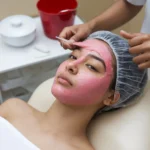
Chemical Peels
Medical-grade peels exfoliate deeper layers of skin, freeing trapped hairs and preventing recurrence.
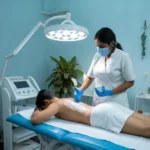
Laser Hair Reduction
Laser treatment reduces hair growth at the follicle level, significantly decreasing the formation of ingrown hairs over time. This is one of the most effective long-term solutions.
Prescription Treatments
Topical retinoids improve cell turnover, while antibiotics may be prescribed if infection is present. These require medical supervision.
When to See a Doctor
Seek medical attention if you notice:
Pus or spreading redness
Increasing pain or warmth
Fever or signs of infection
Recurrent ingrown hairs in the same area
Dark scars are forming after healing
Early treatment prevents complications such as scarring or cyst formation.
Frequently Asked Questions
How long do ingrown hairs take to heal?
Most heal within 1–2 weeks with proper care. Infected or deep ingrown hairs may take longer.
Can I shave over ingrown hairs?
No. Shaving over inflamed bumps increases irritation and infection risk.
Are ingrown hairs more common after waxing?
They can occur after waxing if dead skin blocks follicles during regrowth. Regular exfoliation reduces this risk.
How often should I exfoliate to prevent ingrown hairs?
2–3 times per week is ideal. Over-exfoliation can worsen the problem.
Conclusion
Ingrown hairs on the legs are a common but manageable condition.
Proper shaving techniques, regular exfoliation, daily moisturising, and appropriate hair removal methods significantly reduce the occurrence. Persistent or infected ingrown hairs benefit from professional evaluation and treatment.
Consistent prevention strategies provide the best long-term results.