Coimbatore, Chennai

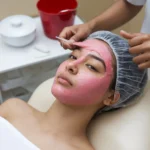
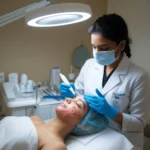
Future Is Now : PRF Treatment

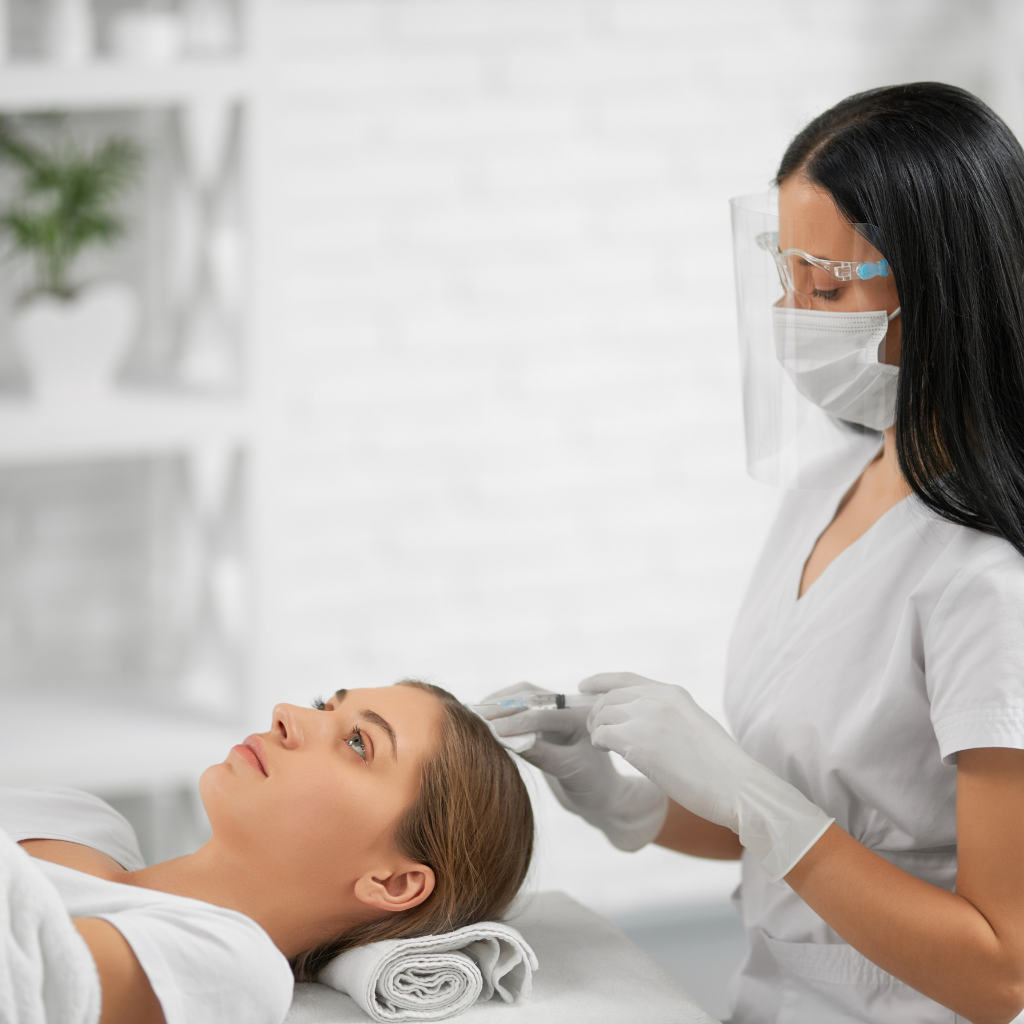
To enhance and sustain scalp health for hair growth, adopt natural methods. Engage in gentle scalp massages to stimulate blood flow, supporting hair follicle function. Maintain a nutrient-rich diet with essential vitamins and minerals while ensuring proper hydration to balance scalp moisture. Employ sulfate-free shampoos and utilise natural oils for moisture. Avoid harmful styling practices and manage stress. Additionally, advanced options like PRF Treatment (Platelet-Rich Fibrin) may help rejuvenate the scalp and support hair regrowth by enhancing follicular activity. These strategies form the foundation for healthy scalp maintenance, ensuring ideal conditions for hair growth. Discover more about improving scalp health.

Key Takeaways

  • Use sulfate-free shampoos and natural oils to prevent irritation and maintain scalp moisture.
  • Incorporate scalp massages and a balanced diet for enhanced blood circulation and nutrient delivery.
  • Ensure regular cleansing to remove product buildup and pollutants for a healthy scalp environment.
  • Maintain hydration and manage stress to support the scalp microbiome and reduce dryness.
  • Consult professionals for persistent issues and explore treatments for specific scalp conditions.

Why Is It Important to Maintain a Healthy Scalp for Hair Health?

Scalp health is a critical component of overall hair health, as the scalp provides the environment in which hair follicles function at their best.

An unhealthy scalp, often characterised by conditions such as dandruff, inflammation, or excessive oiliness, can significantly hinder hair growth and lead to hair loss.

Indications of compromised scalp health can include persistent itching, flakiness, and visible irritation, necessitating timely interventions to restore balance and promote robust hair development.

What is scalp health, and why is it important to maintain a healthy scalp?

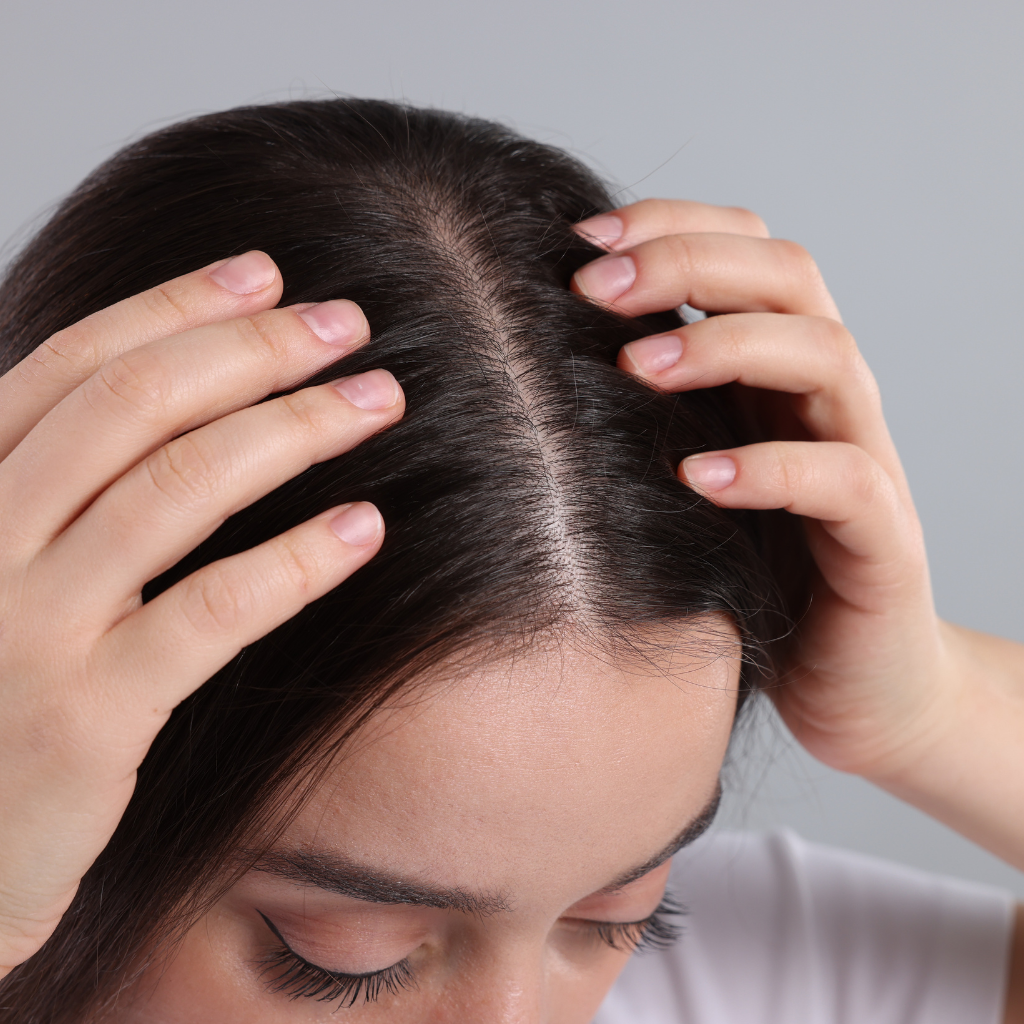
healthy scalp serves as the foundation for ideal hair growth and overall hair health. Scalp health is defined by the absence of scalp conditions such as dandruff or inflammation, and keeping the scalp healthy is essential for encouraging hair growth.

Proper scalp care involves ensuring a balanced scalp microbiome, which is the ecosystem of microorganisms that reside on the scalp, playing a pivotal role in protecting against pathogens. Scientific studies have shown that a balanced scalp microbiome can improve scalp health and, consequently, hair growth.

Additionally, innovative regenerative solutions like PRF treatment help for hair loss by enhancing blood flow, delivering growth factors, and supporting follicle rejuvenation—further reinforcing the importance of maintaining a healthy scalp environment for optimal hair outcomes.

How does an unhealthy scalp affect your hair health and growth?

Why does an unhealthy scalp have such a profound impact on hair health and growth? An unhealthy scalp can disrupt the ideal environment required for hair follicles to function.

Scalp issues, such as a dry scalp or an itchy scalp, can compromise scalp health, leading to inflammation and irritation. This, in turn, can cause hair follicles to weaken, resulting in reduced hair growth and potential hair loss.

Scientific evidence indicates that chronic scalp conditions hinder the delivery of essential nutrients to hair follicles, directly affecting the strength and integrity of hair strands.

Additionally, scalp inflammation may trigger follicular miniaturisation, diminishing the diameter of the hair strands.

Maintaining a healthy scalp is, consequently, essential to support robust hair health and encourage ideal hair growth.

What signs show you need to improve your scalp health quickly?

Remarkably, the human body often signals when something is amiss, and the scalp is no exception. A variety of symptoms can indicate poor scalp health requiring immediate attention.

Dandruff, characterised by flaky skin, is a common scalp issue that often points to an imbalance in the healthy and dandruff scalp microbiome. When the scalp is dry, it may lead to irritation and compromise the health of your scalp.

Additionally, hair thinning can result from inadequate scalp care, affecting the environment necessary for new hair to grow. Buildup on the scalp—whether from styling products or dead skin—can further aggravate these concerns and even lead to hair breakage or loss, especially depending on your hair type.

To maintain a healthy scalp, one must address these signs promptly. Doing so helps preserve an ideal environment that can make your hair stronger, healthier, and more resilient while preventing long-term damage to overall scalp health.

What Causes Poor Scalp Health and How Can You Prevent It?

Poor scalp health can lead to damaged or thinning hair due to factors such as inflammation, which disrupts the hair growth cycle by affecting the hair follicles.

Daily habits, including excessive use of harsh hair products and inadequate scalp hygiene, contribute to an unhealthy scalp environment, impeding healthy hair growth.

Additionally, environmental pollutants and product buildup can exacerbate scalp issues by clogging pores and triggering oxidative stress, ultimately compromising scalp condition and hair health.

How can an unhealthy scalp lead to damaged or thinning hair?

When the scalp is neglected, it can become a breeding ground for conditions that contribute to hair damage and thinning.

An unhealthy scalp impedes hair growth by compromising the scalp skin, leading to damaged hair and potential hair loss. This occurs because:

  • Sebum Buildup: Excessive sebum can clog hair follicles, obstructing proper scalp function and impacting hair care.
  • Inflammation: Chronic inflammation damages follicles, resulting in thinning hair.
  • Infections: Fungal or bacterial infections disrupt scalp health, hindering the ability to maintain a healthy environment for hair growth.

Scientific studies highlight the importance of addressing these issues to prevent hair loss and support a proper scalp environment.

Effective hair care routines can mitigate these factors, promoting a healthy scalp conducive to robust hair growth.

What daily habits damage scalp health and healthy hair growth?

Daily habits greatly influence scalp health and, consequently, the growth of healthy hairExcessive washing can strip your scalp of natural oils, leading to a dry scalp, while infrequent washing may result in oily hair and product residues that accumulate on the scalp.

Both scenarios can damage the scalp and create an unhealthy scalp environment, impeding healthy hair growth. Moreover, the chemical ingredients in harsh hair care products can disrupt scalp health by causing irritation or allergic reactions.

Additionally, frequent use of heat styling tools can exacerbate dryness and damage the scalp. A healthy scalp requires a balanced approach to cleansing and conditioning, careful selection of products, and minimising exposure to high temperatures to foster ideal conditions for hair growth.


How can buildup or pollution affect your healthy scalp condition?

How markedly do environmental factors, such as buildup and pollution, impact scalp health?

Both can greatly alter a healthy scalp condition by interfering with natural oils and the delicate balance of the scalp microbiome. Buildup from hair products can clog hair follicles, impeding hair growth and leading to an unhealthy scalp. Pollution introduces harmful particles that can cause oxidative stress, further disrupting scalp health.

To maintain scalp health, consider:

  • Regular cleansing: Helps remove buildup and pollutants, preserving the scalp’s natural environment.
  • Use of gentler hair products: Reduces the risk of chemical buildup that can compromise the scalp condition.
  • Protective measures: Wearing hats or using protective sprays can shield the scalp from environmental pollutants, supporting overall hair growth.

In cases where environmental damage has already impacted the scalp, regenerative treatments such as PRP and PRF are being explored. The comparison between platelet rich fibrin vs platelet rich plasma is especially relevant here—PRF offers a slower, sustained release of growth factors, which may better support long-term scalp recovery and hair follicle health than the faster-acting PRP.

These strategies can help maintain a healthy scalp condition.

What Are the Best Ways to Improve Scalp Health Naturally?

Improving scalp health naturally can be achieved through daily home practices such as gentle scalp massages and the use of essential oils, which have been shown to enhance blood circulation and reduce inflammation while helping to keep your scalp healthy.

A balanced diet rich in vitamins and minerals, particularly biotin and zinc, supports both hair and scalp health by promoting cellular regeneration and strengthening hair follicles—an important step in caring for your scalp and preventing issues like dryness or even hair loss.

Additionally, adequate hydration is vital, as it helps maintain the scalp’s moisture balance, reducing flakiness and preventing buildup on your scalp, all of which contribute to helping your scalp and hair stay healthy over time.

What are natural ways to improve your scalp health at home daily?

Although the scalp is often overlooked in daily grooming routines, maintaining its health is crucial for overall hair vitality.

Natural ways to improve scalp health at home involve evidence-based approaches that promote a healthy scalp conducive to hair growth. Regular scalp massage can boost scalp health by increasing blood circulation, delivering essential nutrients to hair follicles.

Moisturising the scalp with natural oils like coconut or jojoba helps maintain scalp health by preventing dryness and flakiness. Consistent hair and scalp care, incorporating gentle, sulfate-free shampoos, guarantees that the scalp remains clean without stripping natural oils.

  • Scalp Massage: Enhances blood flow, promoting hair growth.
  • Moisturise the Scalp: Prevents dryness, maintains a healthy scalp.
  • Use Gentle Shampoos: Guarantees effective cleansing, avoids irritation.

How can a balanced diet support hair and scalp health together?

Remarkably, a balanced diet plays a crucial role in maintaining both hair and scalp health, as nutritional deficiencies can greatly impact these areas.

Essential nutrients for scalp health include vitamins A, C, D, and E, which support hair growth and maintain a healthy scalp by promoting sebum production and improving circulation.

Omega-3 fatty acids, found in fish and flaxseeds, are known to enhance scalp health by reducing inflammation.

Protein, a critical component for hair structure, guarantees healthy hair by supplying essential building blocks.

Key minerals like zinc, iron, and selenium also play a vital role in preventing hair loss and encouraging hair and scalp health.

How does hydration play a role in maintaining a healthy scalp?

Proper hydration is a foundational aspect of maintaining a healthy scalp, complementing the benefits derived from a balanced diet.

Water is essential for the ideal functioning of the scalp microbiome and aids in preserving the natural oils necessary for scalp health. Dehydration can disrupt this balance, leading to dryness and potential hair growth issues.

To improve and maintain scalp health through hydration, consider:

  • Drinking sufficient water daily supports cellular functions and promotes a healthy scalp environment.
  • Using hydrating hair care products that nourish the scalp, thereby supporting the scalp microbiome and overall hair health.
  • Avoiding excessive use of heat styling tools that can strip moisture from the scalp, impeding natural hydration processes.

These practices are integral to fostering a healthy environment conducive to hair growth.

Can Scalp Massage Really Help You Get a Healthy Scalp and Hair?

Emerging research suggests that scalp massage, when combined with specific oils such as jojoba or argan oil, can enhance scalp and hair health by increasing blood circulation and promoting the distribution of natural oils. These oils not only nourish the scalp but may also help improve its health over time.

The frequency of scalp massage also plays a critical role, with evidence indicating that performing a gentle massage for 4–5 minutes daily can potentially stimulate hair growth. Since hair starts with a healthy scalp, maintaining its condition is vital for the overall health of your hair.

Additionally, studies on the dandruff scalp microbiome reveal how microbial balance, including the role of commensals in scalp health, contributes to a healthier scalp environment. While these practices show promise, further studies are needed to establish definitive guidelines for maximising their effectiveness.

What oils should you use to improve scalp health through massage?

While the practice of scalp massage has long been associated with relaxation and stress reduction, scientific evidence suggests it can also enhance scalp health and hair growth when combined with specific oils.

Massaging your scalp with essential oils can naturally improve scalp health and promote hair growth. The careful selection and application of these oils can lead to a healthy scalp, crucial for ideal hair growth.

Evidence supports the use of:

  • Peppermint oil: Known to stimulate blood circulation, it enhances nutrient delivery to hair follicles.
  • Rosemary oil: Proven to improve cellular generation, it is effective in promoting hair growth.
  • Tea tree oil: Its antifungal and antibacterial properties help maintain a clean, healthy scalp environment.

These oils play an important role in the care of your scalp.

How often should you massage your scalp for healthy hair growth?

Incorporating scalp massage with essential oils not only enhances scalp health but also raises the question of ideal frequency for maximising hair growth benefits.

Studies suggest that engaging in scalp massage regularly can greatly improve hair growth by stimulating blood flow to hair follicles. For best results, a gentle massage of the scalp for about 4-5 minutes daily is recommended.

This routine supports a healthy scalp environment conducive to boosting hair growth. Additionally, evidence indicates that a regular massage regimen can increase the thickness of individual hair strands over time.

As a result, integrating daily scalp massage into one’s hair care routine is a scientifically supported approach to maintaining scalp health and promoting robust hair growth. Regular practice is key to achieving these benefits.

How Do You Maintain a Healthy Scalp for Long-Term Hair Growth?

Maintaining a healthy scalp for long-term hair growth necessitates the use of scientifically formulated products such as gentle shampoos, conditioners, and treatments containing ingredients like zinc pyrithione and salicylic acid, which are known for their efficacy in reducing dandruff and inflammation caused by build-up on your scalp.

Establishing a consistent hair care routine that includes regular cleansing and conditioning, while avoiding harsh chemicals and excessive heat exposure, is vital to take care of our scalp and preserve the scalp of its natural balance.

Experts also emphasise the importance of protecting the scalp from environmental stressors—wearing a hat to protect your scalp from UV damage is one simple yet effective practice.

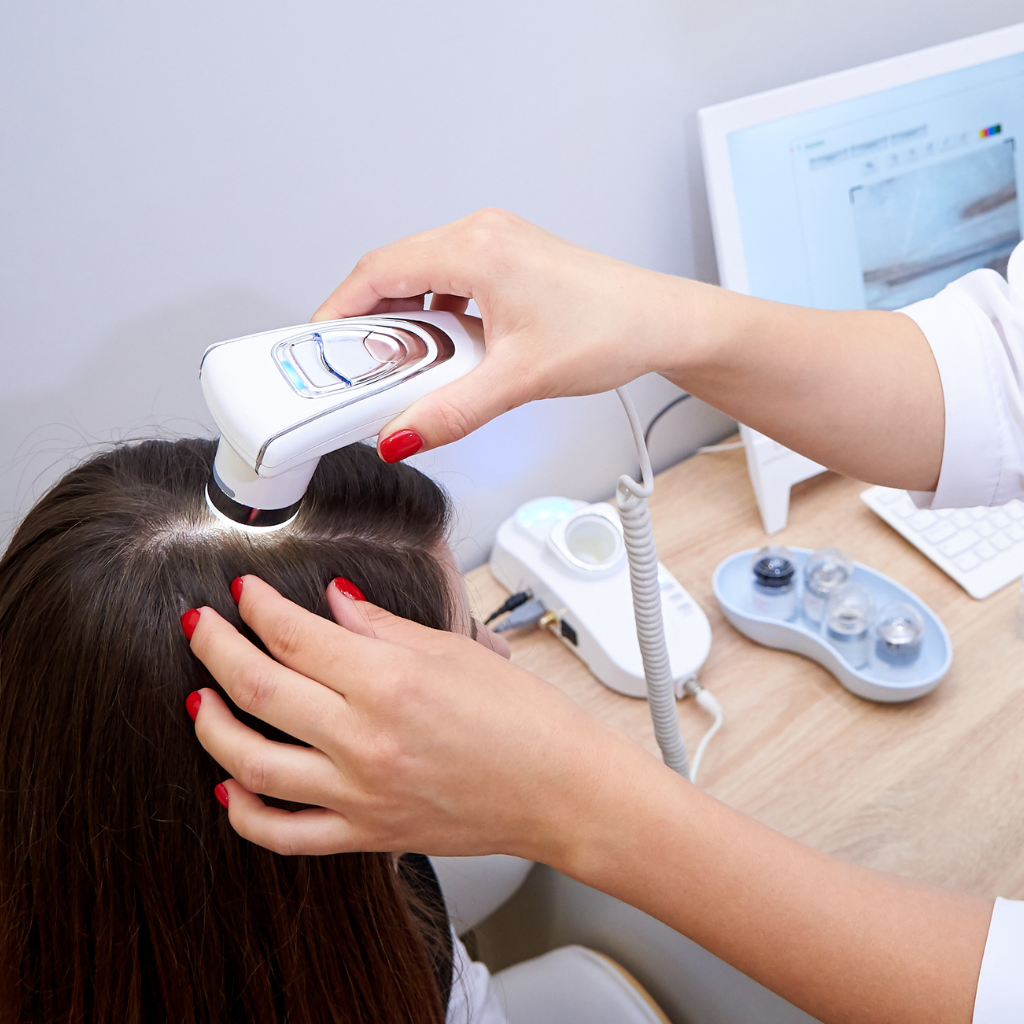
Additionally, periodic scalp assessments and targeted treatments, such as those involving essential oils or laser therapy, help preserve scalp function and support strong hair. Recent studies on the scalp microbiome reveal the role of beneficial microorganisms in maintaining overall scalp and hair health.

What products help maintain a healthy scalp and improve hair health?

healthy scalp serves as the foundation for exceptional hair growth, and selecting the right products is crucial for maintaining its health.

To protect your scalp, consider using scientifically backed hair products that target specific scalp concerns. A healthy scalp promotes hair growth by maintaining ideal conditions for hair follicles.

To take care of your scalp and improve your scalp health, consider the following products:

  • Scalp scrub: This exfoliates dead skin cells and removes buildup, improving the scalp’s health.
  • Nourishing oils: Ingredients like tea tree or jojoba oil help maintain a healthy hair and scalp by providing moisture and combating dryness.
  • pH-balanced shampoos: Formulated to maintain the scalp’s natural acidity, these shampoos provide a balanced environment conducive to hair growth.

Prioritising these products can lead to healthier hair growth.

How can you build a hair care routine to improve your scalp health?

Building an all-encompassing hair care routine is an important step towards fostering long-term scalp health and promoting hair growth.

To improve scalp health naturally, individuals should wash their hair regularly with gentle, sulfate-free shampoos to prevent irritation and maintain a balanced scalp microbiome.

Regular scalp massages can enhance blood circulation, which boosts scalp health and hair growth. Incorporating natural oils, such as tea tree or coconut oil, can offer antimicrobial benefits and moisturise the scalp.

For those seeking advanced care, PRF Treatment can also help improve scalp health by stimulating hair follicles and supporting tissue regeneration. Adopting tips for a healthy scalp includes ensuring adequate hydration and nutrition, as these play a crucial role in scalp and hair wellness.

What expert tips help you consistently maintain a healthy scalp?

Numerous expert recommendations emphasise the importance of a multifaceted approach to consistently maintaining a healthy scalp.

Recognising that the scalp is the foundation of hair growth, experts suggest several ways to improve scalp health and promote ideal conditions for hair. A healthy scalp is essential and starts with a focus on targeted practices.

  • Gently massage your scalp: This stimulates blood flow, supporting a healthy scalp environment and enhancing nutrient delivery to hair follicles.
  • Use pH-balanced shampoos: Choosing products that align with the scalp’s natural pH helps maintain its barrier function and microbiome balance.
  • Avoid excessive heat and harsh chemicals: These can disrupt the scalp’s integrity, leading to dryness and irritation.

Implementing these top tips for a healthy scalp is important to maintain a healthy hair ecosystem.

Conclusion

Maintaining a healthy scalp is critical for promoting hair growth depends on a healthy environment where follicles can thrive. An unhealthy scalp, often caused by factors such as dandruff, excess oil, or product buildup, can be mitigated through regular cleansing and natural remedies like essential oils. Evidence supports that scalp massages increase blood circulation, further enhancing follicle health. Long-term scalp maintenance, including balanced nutrition and stress management, is essential for sustaining hair health and preventing hair loss.