Introduction
Acne rarely appears overnight, yet many people expect pimples to disappear just as quickly. In reality, every breakout follows a predictable internal process that unfolds beneath the skin long before it becomes visible. Understanding the stages of a pimple helps explain why some acne heals easily while others linger, darken, or leave marks behind. Many clients in Chennai and Coimbatore notice that breakouts behave differently depending on climate, lifestyle, and skincare habits. Recognising the life cycle of a pimple makes it easier to respond at the right time, seek appropriate dermatology care for pimple when needed, avoid scarring, and choose treatments that support faster, healthier healing.
Understanding the Acne Development Process Beneath the Skin
Before a pimple becomes visible, changes are already occurring deep within the pore. Excess oil production, dead skin cell buildup, and bacterial growth create the foundation for inflammation. In Indian skin types, this process is often intensified by sweat, sunscreen layering, and environmental dust.
Many clients are surprised to learn that improper handling, like touching or over-drying the skin, can disturb this delicate balance. When the acne development stages are understood clearly, it becomes easier to prevent a minor blockage from turning into a painful or long-lasting lesion.
Stage 1: The Clogged Pore: How Pimples Begin
The first stage of a pimple usually goes unnoticed. Oil and dead skin cells block the pore, creating pressure beneath the surface without visible redness or pain. This stage is common in Indian climates where humidity increases sebum production throughout the day.
At this point, the skin may feel slightly rough or uneven. Many people unknowingly worsen this stage by using harsh cleansers or skipping moisturiser, thinking oil control alone will help. Supporting the skin barrier early plays a key role in stopping progression.
Stage 2: Inflammation and the Formation of a Papule
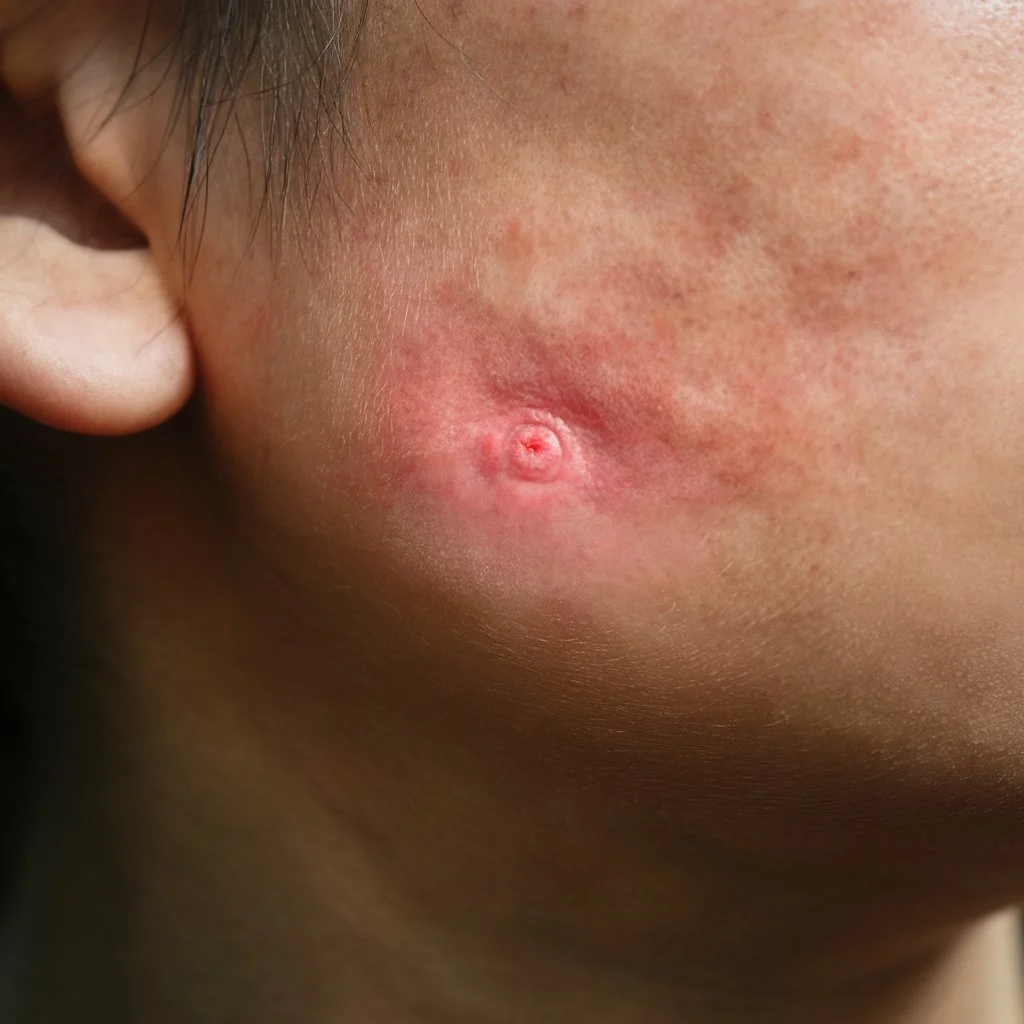
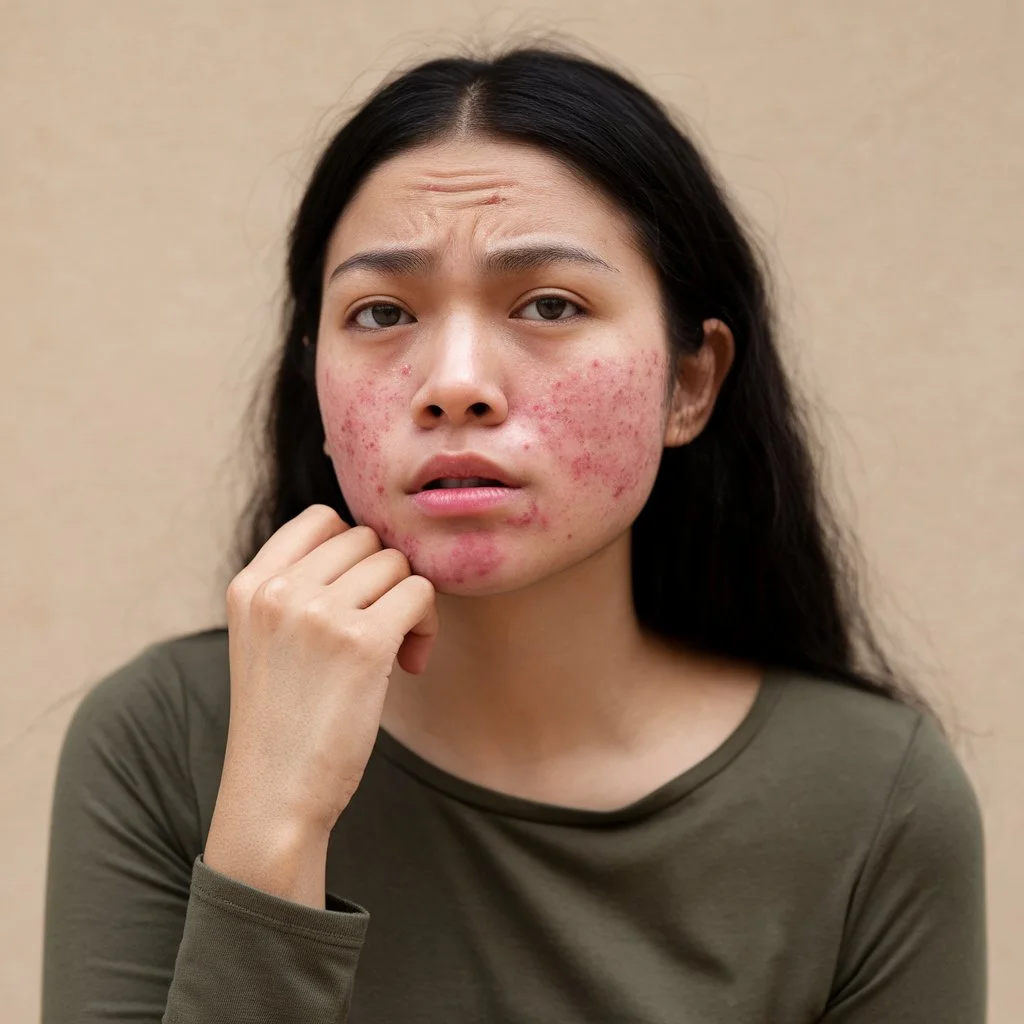
As bacteria multiply within the clogged pore, inflammation begins. The area becomes red, tender, and slightly raised. This is when many clients first notice a developing pimple. Touching or applying random spot treatments often aggravates the inflammation further.
In Indian skin tones, this stage can already trigger early pigmentation changes if inflammation is not managed properly. With consistent sun exposure and heat, papules may remain inflamed longer than expected, delaying the natural pimple healing process.
Stage 3: Pimple Coming to a Head (Pustule or Cyst)
At this stage, white blood cells rush to fight infection, forming visible pus. The pimple coming to the head may appear white or yellow, while a cyst pimple often feels deep, swollen, and painful beneath the skin. Many people assume this is the right moment to extract, but incorrect handling frequently pushes inflammation deeper and worsens healing.
For Indian clients, this stage carries the highest risk of acne discoloration marks, especially when exposed to sunlight or friction. Professional guidance during this phase helps control infection while protecting surrounding skin.