Dark Underarms: Why It Happens and What Actually Works
Most people don’t notice dark underarms in the mirror.
They notice it in trial rooms, while stretching in public, or when a sleeveless dress quietly stays unworn.
Dark underarms aren’t rare. They’re rarely talked about.
Why Underarms Turn Dark (The Real Reasons)
Underarm skin is thin, folded, and constantly irritated. When skin feels attacked, it defends itself by producing more melanin.
The most common triggers we see in the clinic:
1. Friction and Hair Removal
Tight clothes and daily movement
Add shaving on top of that, and you’re repeatedly scraping already sensitive skin.
Over time, the skin thickens and darkens. Not because you did something wrong, but because skin is protective by nature.
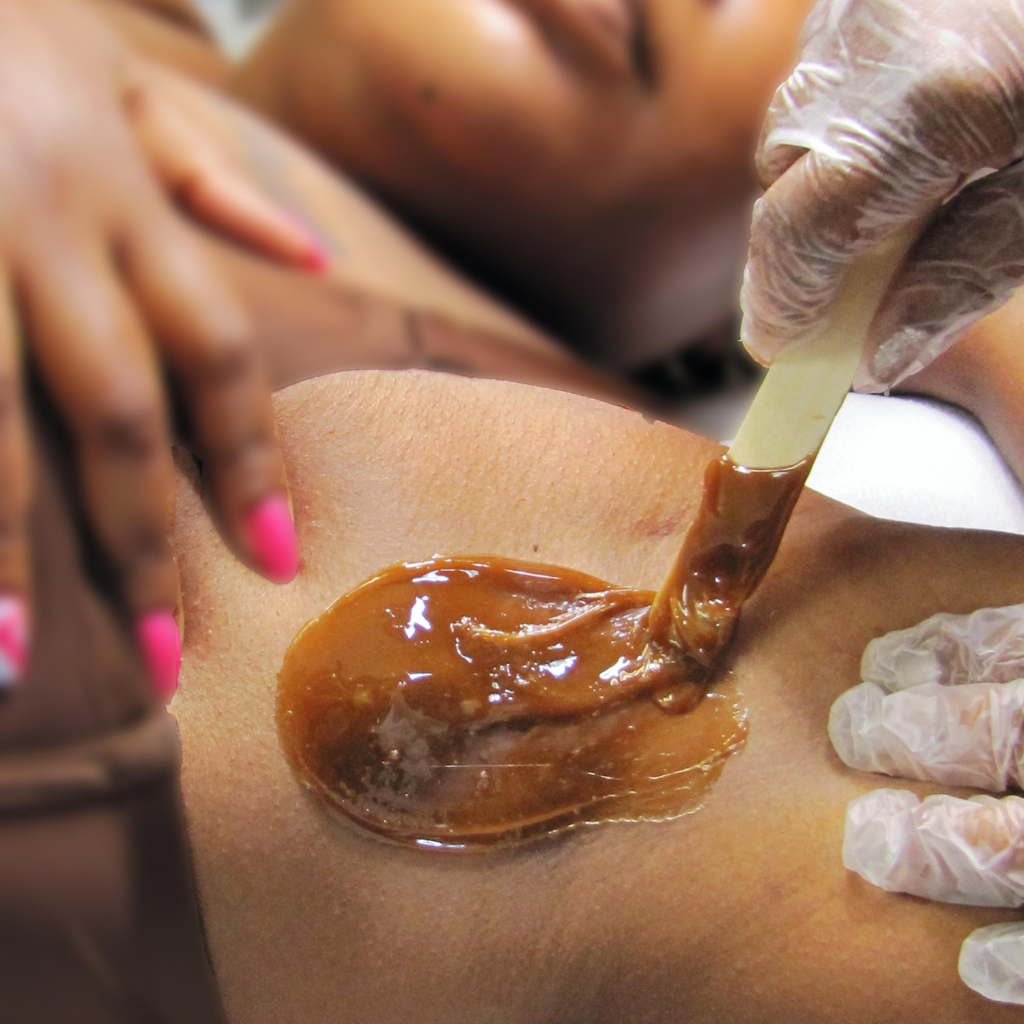
If shaving leaves you with bumps, burning, or darkness that keeps returning, shaving isn’t your method. Waxing or laser hair reduction usually improves pigmentation because the skin is no longer being scraped every few days.
2. Deodorants and Strong Products
If your pigmentation started after switching deodorants, that’s not a coincidence.
Alcohol-heavy, fragranced, or clinical-strength antiperspirants can irritate underarm skin silently. No burning. No rash. Just slow darkening.
This is one of the first things we ask patients to stop before doing anything else.
3. Dark, Thick, Velvety Skin
If your underarm skin feels thicker, not just darker, that’s different.
This can be a condition called acanthosis nigricans, commonly linked to insulin resistance or hormonal imbalance. In these cases, no cream alone will fix the problem.
If pigmentation is spreading to the neck, groin, or folds of skin, or appears alongside weight changes or fatigue, it’s time to check blood work. Treating the internal cause often improves the skin on its own.

What Actually Treats Dark Underarms
Let’s be honest. Lemon, potato, and Instagram hacks only work for very mild pigmentation.
If you’ve been trying home remedies for months with no visible change, your skin isn’t stubborn. It just needs a different approach.
Clinical Treatments That Work
At Tune Clinical Aesthetics, we don’t jump straight to treatment. We first identify why the pigmentation exists. That determines what will work.
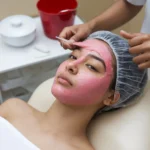
Chemical Peels
These gently remove the top pigmented layers of skin and encourage fresh skin to surface.
Mild peeling or flaking is normal. Results build over sessions, not overnight.
Laser Treatment
Lasers target melanin deeper in the skin without damaging surrounding tissue.
This is especially useful for stubborn pigmentation that hasn’t responded to creams.
Most people start seeing visible improvement within 4 to 6 weeks when the treatment matches the cause.
Prescription Creams
Ingredients like hydroquinone, kojic acid, or tretinoin can be effective, but only when used correctly.
Overuse or unsupervised use can actually worsen pigmentation. If a cream promises “fast whitening”, be suspicious and sceptical.
Skin doesn’t work on deadlines.
What You Can Do at Home
Home care works best alongside treatment or for mild cases.
- Switch to non-fragrant or aluminium-free deodorants
- Wear loose cotton clothing when possible
- Moisturise underarms regularly to reduce friction
- Avoid aggressive scrubbing. Irritation causes more darkness, not less
Natural ingredients like aloe vera can soothe irritation. Lemon juice can lighten slightly, but it also increases sensitivity and is often overused. If it stings, stop.
Pregnancy and Underarms Pigmentation
Hormonal changes during pregnancy commonly darken the underarms. This usually fades within months after delivery.
During pregnancy and breastfeeding:
- Avoid retinoids, hydroquinone, peels, and lasers
- Stick to gentle care only
Treat actively only after hormones stabilise.
When You Should See a Doctor
Don’t wait it out if you notice.
- Thick or velvety skin texture
- Rapidly spreading dark patches
- Pigmentation with fatigue, weight changes, or excessive thirst
- Dark patches appearing in children or teenagers
These need medical evaluation, not DIY fixes.
The Bottom Line
Dark underarms are common. Treatable. And nothing to be ashamed of.
But the solution depends on why it happened.
Guesswork wastes time. Random remedies waste patience.
With the right diagnosis and a consistent plan, underarm pigmentation improves steadily and safely.
And yes, sleeveless tops do make a comeback.