Can Tanned Skin Return to Normal? Truth About Tan Removal
Can tanned skin return to normal is a question that usually appears after summer tanning or long outdoor exposure.
In reality, both biology and patience play a role. Yes, your skin can return to its natural tone, but only within the limits your genetics already set for you.
This guide explains what 'normal' actually means, how long the return realistically takes, why some tans cling on longer, and what truly helps your skin go back to its original colour.
So, Will Your Tanned Skin Truly Return to Normal?
Yes, in nearly all cases, tanned skin does return to normal. The melanin that builds up under sun exposure is held in cells that the body naturally sheds and replaces over time. As those cells leave the surface, your underlying tone slowly emerges again.
The catch is that 'normal' has a definition you may not be using. Your normal is the tone you were born with, not a lighter shade you wish to reach. Once the tan clears, the skin stops fading any further on its own.
This is why some clients feel disappointed even after a tan has cleared. The mirror shows their genetic baseline, which may be deeper than they remember from years ago when they were not commuting under the sun every single day.
What Does "Normal" Skin Even Mean for You?
Your natural skin tone is genetically determined by how much melanin your melanocytes produce when undisturbed. This is the colour your skin returns to when no UV stress, hormonal trigger, or inflammation is pushing it darker.
For most clients in Chennai and Coimbatore, the genetic baseline sits somewhere in the medium to deeper range, which is healthy and well-suited to our climate. Sun exposure shifts you a few shades darker, but the skin always has a 'home base' to settle back to once the trigger reduces.
Recognising this saves a lot of frustration. The goal of tan removal is to return to that home base, not to chase a lighter shade that was never yours to begin with.
How Long Does Tan Actually Take to Clear?
The timeline depends on how long the tan has been building and how deep the pigment has settled into your skin. The table below sets honest expectations for each scenario we see in the clinic.
|
Type of Tan |
What's Happening |
Realistic Timeline |
End State |
|
Fresh tan from one outing |
Surface melanin only |
2 to 3 weeks |
Full return to baseline |
|
Repeated weekend exposure |
Mid-layer melanin building |
4 to 6 weeks |
Near-full return with consistent care |
|
Months of daily commute tan |
Deeper accumulated melanin |
8 to 12 weeks |
Return to baseline with sun discipline |
|
Post-holiday strong tan |
Surface plus mid-layer |
4 to 8 weeks |
Full return if no fresh exposure |
|
Long-standing year-round tan |
Deep, often patchy melanin |
3 to 6 months |
Baseline reached, some patches may need clinical help |
Why Does Tan Hold On Longer for Some People?
Same sun exposure, two completely different timelines. The reason comes down to a few factors that vary quietly between people.
Skin renewal slows naturally with age. A young adult replaces surface cells every 28 days. By the mid-forties, that cycle stretches to 35 or 45 days, which means the same tan takes longer to fade in older skin.
Hormonal shifts during pregnancy, contraception, or thyroid imbalances can also push melanin production higher, holding the tan in place even after sun exposure reduces. Hard tap water and over-cleansing can stress the barrier and slow recovery further.
Frequency of fresh exposure matters most of all. A tan that keeps getting topped up by daily two-wheeler rides never fully clears, because new melanin is being produced faster than old cells can shed away.
Is Returning to Normal the Same as Skin Lightening?
This is the question that confuses the most clients, and the honest answer reshapes expectations completely.
Returning to normal means letting your genetic baseline emerge again. It is not changing your skin at all, just removing the temporary darker layer sitting on top of it.
Skin lightening, on the other hand, attempts to push your tone below your natural baseline. It often relies on aggressive ingredients that suppress melanin production beyond what is healthy, with side effects like rebound darkening, barrier damage, and uneven patches.
For skin in this part of the country specifically, the safer and longer-lasting path is always returning to your natural tone rather than chasing a lighter one. The first delivers real, lasting clarity. The second often reverses worse than where you started.
Which Daily Habits Quietly Speed Up the Return?
The habits that support a faster return to baseline are not glamorous, but they consistently outperform expensive products and quick fixes.
Broad-spectrum SPF 50 every morning, applied generously and reapplied through the day, is the single biggest factor. Without it, the skin keeps producing fresh melanin, and the tan never gets a chance to fade fully.
Gentle daily cleansing followed by a hydrating moisturiser supports the natural skin cell shedding cycle. Avoid harsh scrubbing and strong exfoliating acids at home, since these often trigger fresh melanin response in the opposite direction of what you want.
A balanced diet rich in vitamin C, vitamin E, and antioxidants gives your skin the raw material to repair and renew. Stay hydrated through the day, sleep 7 hours or more, and the renewal cycle runs more efficiently.
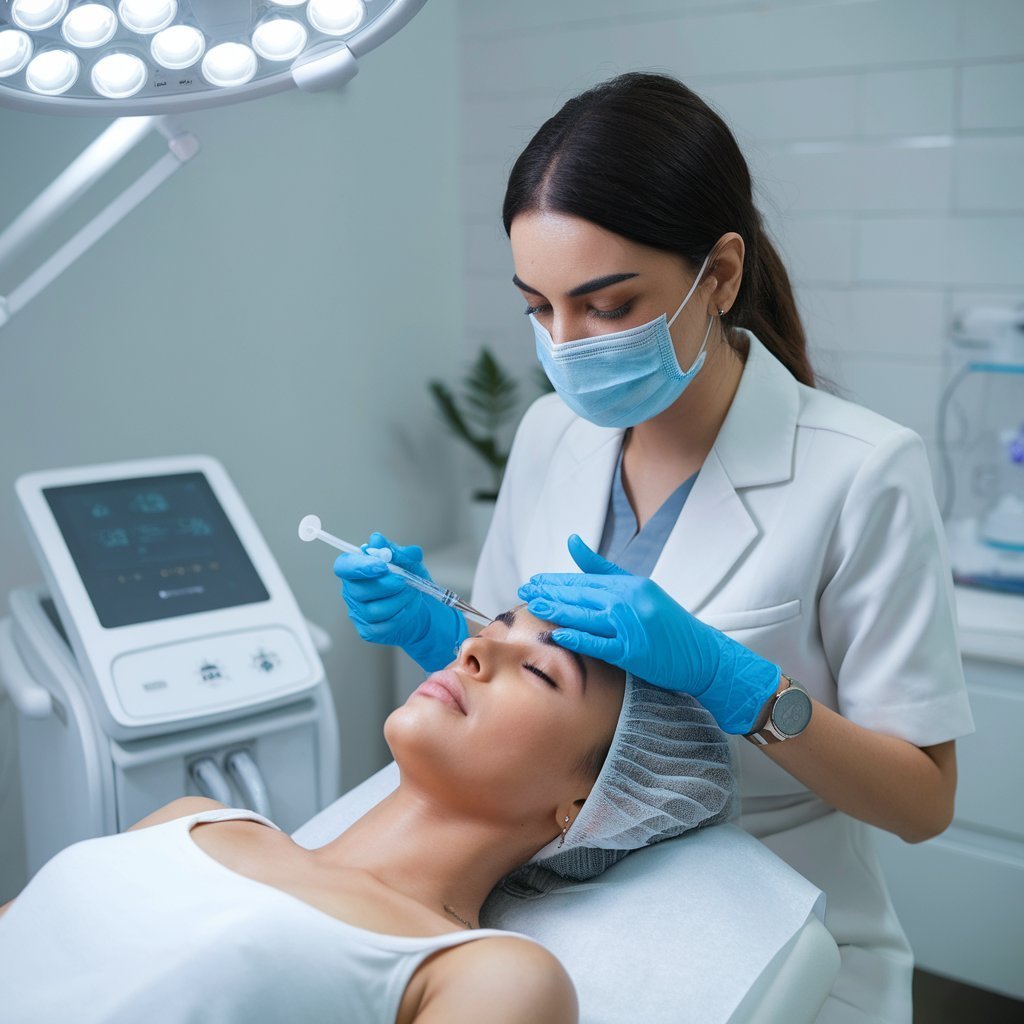
For long-standing or stubborn tan, a short course of professional tan removal sessions like Chemical Peels or Body Peel speeds the return considerably by accelerating the natural exfoliation process safely under guidance.
The right approach for stubborn tanning varies depending on which body area is being treated and how deeply the pigment has settled.
Final Thoughts
Tanned skin does return to normal, but normal is the tone your genetics gave you, not a lighter version of it.
Most fresh tans clear in 2 to 4 weeks with consistent sun protection and gentle daily care. Older, deeper, or repeated tans take a few months and sometimes need a structured clinical course to reach the same endpoint.
Set the right expectation early, support your skin steadily, and the return to your natural tone happens reliably without forcing anything that does not belong on your face.