HydraFacial During Monsoon Season: Is It Safe and Effective?
Monsoon weather changes the way skin behaves almost overnight.
In cities like Chennai and Coimbatore, increased humidity often leads to congestion, excess oiliness, dullness, and unexpected sensitivity during this season.
Because of this, many clients question whether HydraFacial treatments remain safe and effective once the rains begin.
This guide covers safety, customisation, frequency, and aftercare in detail so you can decide whether a session this season is right for your skin.
Is HydraFacial Safe During Monsoon Season?
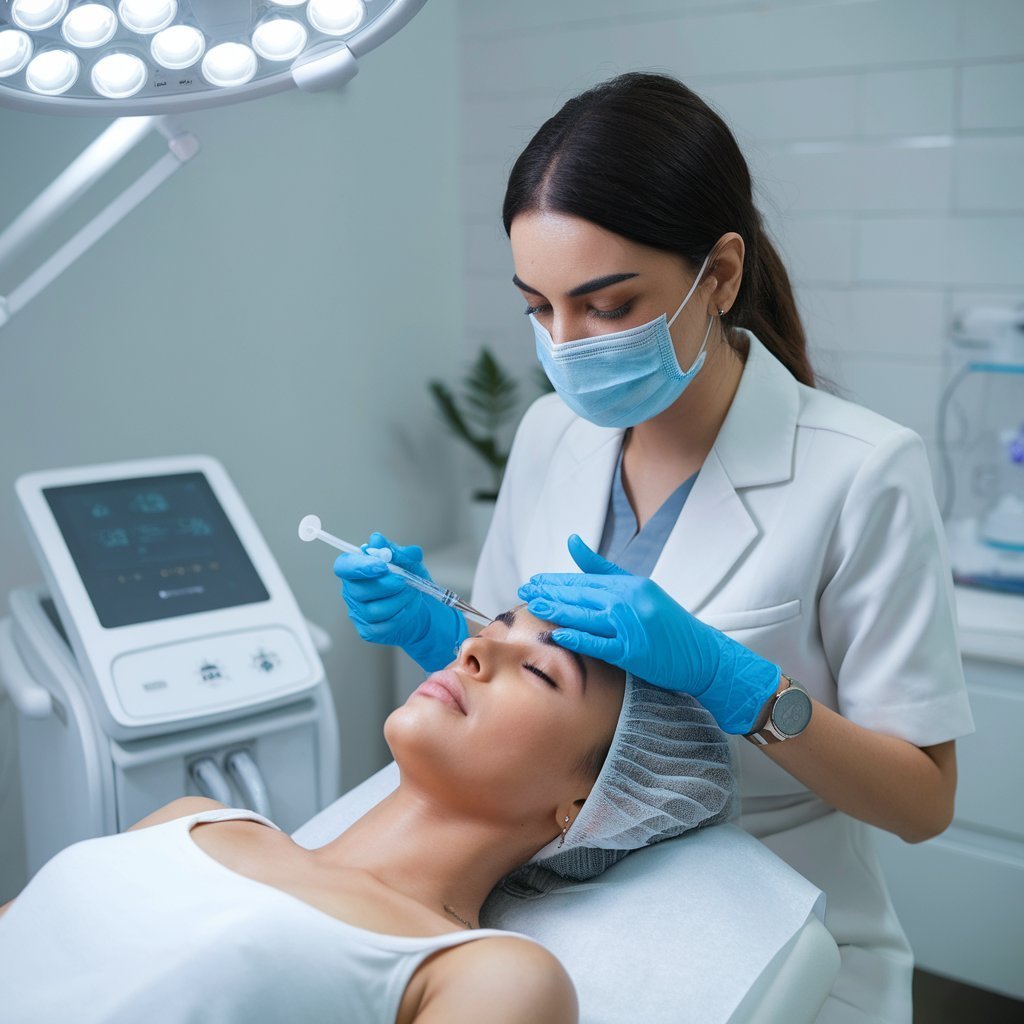
Safety is the first concern most clients bring up before booking a HydraFacial in the monsoon. The treatment is non-invasive, uses controlled vacuum extraction with serum infusion, and does not break the skin barrier.
What changes in monsoon is not the safety of the treatment itself, but the skin you walk in with. Humidity raises sebum production, opens pores wider, and increases the risk of bacterial and fungal activity on the surface.
A well-planned session adjusts for these conditions rather than ignoring them. That said, there are situations where postponing the appointment is the smarter call.
When to Postpone Your Session
Reschedule your appointment if any of the following are present on the day of the session:
• Active fungal infection on the face, scalp, or neck
• A fresh acne flare-up that is inflamed and painful
• Recent sunburn or a holiday tan that has not settled
• Open cuts, scratches, or healing scabs in the treatment area
• Heavy cold, flu, or sinus congestion that day
In each case, treating the underlying issue first gives the HydraFacial something cleaner to work on and protects the final result.
Why HydraFacial Works Especially Well in Monsoon
Many clients are surprised when we say monsoon is actually a strong window for HydraFacial. The humid weather brings out several skin concerns that this treatment is built to address directly.
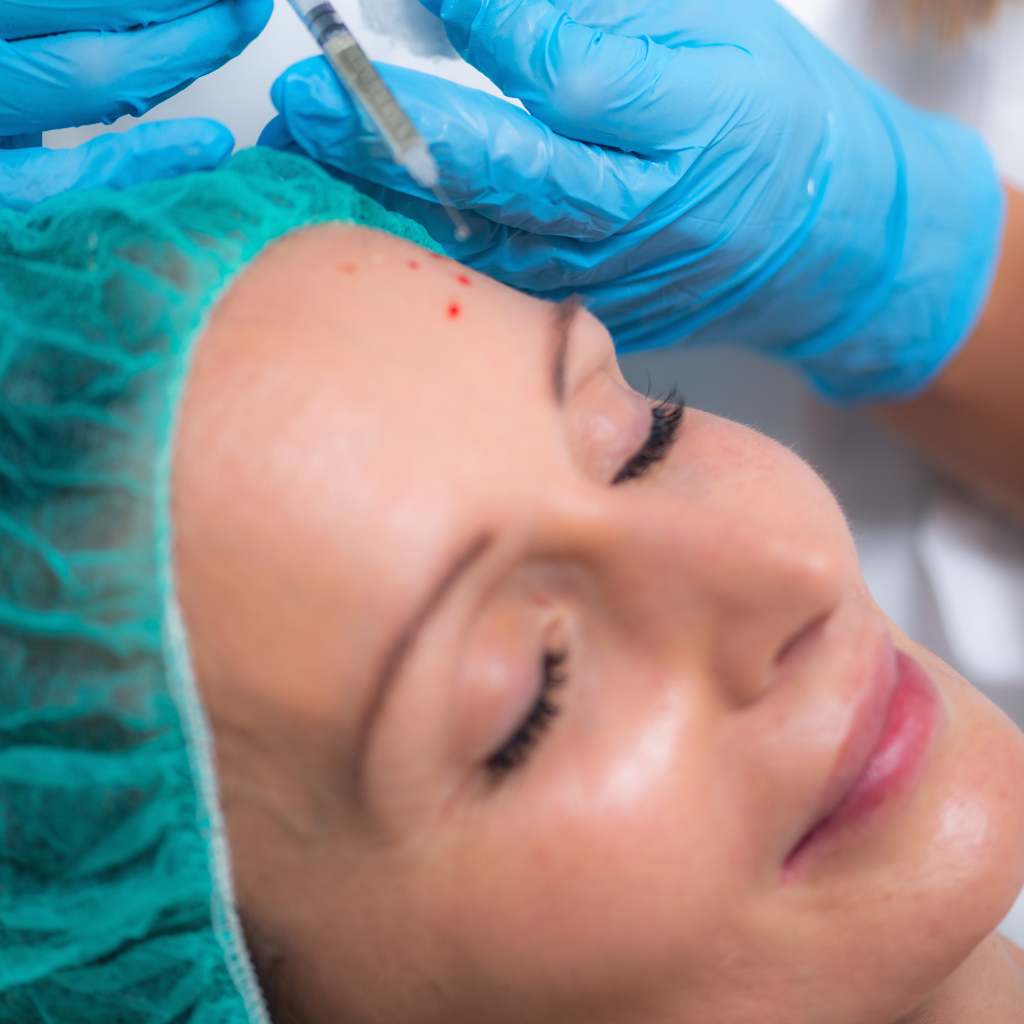
Increased oil production during the monsoon clogs pores and leads to whiteheads, blackheads, and breakouts. HydraFacial uses controlled extraction to clear these without the rough squeezing or scrubbing that home methods rely on.
Despite the moisture in the air, skin during monsoon often becomes paradoxically dehydrated, especially for those who spend long hours in air-conditioned offices. The serum infusion stage of a HydraFacial drives hydration deeper into the skin without weighing it down.
Reduced sunlight during the season also leaves skin looking duller and more uneven in tone. The exfoliation and brightening serums used in a session lift this dullness and restore a fresher, more even finish.
The clinic environment also offers a controlled, hygienic alternative to at-home routines during a season when bacterial and fungal exposure increases on the skin surface and inside humid bathrooms.
HydraFacial in Monsoon vs Other Seasons
The table below shows how a HydraFacial during monsoon differs from sessions taken in other seasons across South India, including the customisation, frequency, and aftercare focus for each.
How to Customise Your HydraFacial for Humid Weather
A standard HydraFacial follows three core stages: cleansing and exfoliation, painless extraction, and serum infusion. The serum and booster choices are where monsoon customisation actually happens.
Recommended Boosters and Serums for Monsoon
For oily and acne-prone skin during monsoon, a salicylic-based booster helps clear deeper congestion and reduces the chance of post-monsoon breakouts.
Niacinamide is particularly useful for managing sebum production and calming the inflammation that humid weather aggravates. For dull or dehydrated skin, a light hyaluronic booster restores moisture without feeling heavy on the face.
Antioxidant serums with vitamin C in low to moderate strength work well for brightening through the cloudy months when natural sunlight is significantly reduced.
These customisations are often incorporated into a professional HydraFacial treatment based on individual skin concerns and seasonal needs.
What to Avoid During Monsoon Sessions
Skip heavy retinol-based boosters during monsoon, since the combination of humid weather and barrier-active ingredients can trigger purging or sensitivity unexpectedly.
Avoid scheduling a HydraFacial within 72 hours of any other strong active treatment, like a chemical peel or laser session. The skin needs proper space between aggressive interventions.
Heavy emollient masks layered over a HydraFacial in humid weather often feel suffocating on the skin and can trigger small breakouts the next day.
How Often Should You Get a HydraFacial During Monsoon?
Booking the right session frequency, the right time of day, and a proper aftercare routine makes a real difference to how the treatment performs through monsoon.
For most skin types, a monsoon HydraFacial works best every 3 to 4 weeks. Acne-prone or oily skin can benefit from sessions spaced slightly closer, while dry or sensitive skin should stick to a 4-week gap minimum.
Morning appointments are usually better during the monsoon. The skin is calmer in the early hours, ambient humidity is lower, and the post-session glow has time to settle before evening commitments.
For aftercare, switch to a lightweight gel moisturiser for the first 48 hours. Avoid exfoliating acids, retinol, or strong physical scrubs for at least 72 hours. Continue SPF 50 even on cloudy days since UVA still reaches the skin through monsoon clouds.
After-monsoon care matters just as much. Once the season ends and humidity drops, your HydraFacial customisation should shift towards more hydration and barrier-repair boosters to handle the change in weather.
Drink at least 2 litres of water throughout the day, even when the weather feels cool and rainy. Internal hydration directly supports how well your skin holds the results between sessions.
Avoid touching your face frequently during the monsoon, especially after travelling outdoors. The skin picks up more moisture, dust, and bacteria during this season than most people notice.
Final Thoughts
HydraFacial during the monsoon is not just safe. It is often the most useful season to take this treatment for South Indian skin.
The humid weather brings out exactly the concerns this treatment is built to address: excess oil, clogged pores, dullness, and paradoxical dehydration.
With the right customisation and a consistent aftercare routine, monsoon can become the season your skin looks its calmest, clearest, and most balanced through the entire year.