Platelet-Rich Fibrin (Advanced Regenerative Therapy) Vs Platelet-Rich Plasma (Regenerative Therapy): What’s the Difference?
Platelet-rich fibrin (Advanced Regenerative Therapy) and platelet-rich plasma (Regenerative Therapy) differ in composition, preparation, and therapeutic efficacy. Advanced Regenerative Therapy has a fibrin matrix enabling gradual growth factor release and is prepared without anticoagulants, whereas Regenerative Therapy offers immediate release with a higher platelet concentration, prepared using anticoagulants. Advanced Regenerative Therapy supports prolonged tissue regeneration, advantageous for chronic wounds, while Regenerative Therapy provides rapid rejuvenation in acute scenarios. Their application is determined by the desired treatment outcome and specific clinical needs, offering intriguing insights upon further exploration.
Key Takeaways
- Advanced Regenerative Therapy contains a fibrin matrix, while Regenerative Therapy does not, impacting their structural and therapeutic properties.
- Advanced Regenerative Therapy is prepared without anticoagulants, whereas Regenerative Therapy requires anticoagulants during preparation.
- Advanced Regenerative Therapy offers gradual growth factor release, beneficial for sustained tissue regeneration.
- Regenerative Therapy provides an immediate release of growth factors, suitable for rapid healing scenarios.
- Advanced Regenerative Therapy is optimal for chronic wounds, while Regenerative Therapy is effective for acute treatment applications.
What Is the Main Difference Between Advanced Regenerative Therapy and Regenerative Therapy?
The primary distinction between platelet-rich fibrin (Advanced Regenerative Therapy) and platelet-rich plasma (Regenerative Therapy) lies in their composition and preparation methods, which considerably influence their clinical applications.
Advanced Regenerative Therapy is characterised by a fibrin matrix that facilitates a gradual release of growth factors, enhancing wound healing and tissue regeneration over an extended period.
In contrast, Regenerative Therapy lacks this fibrin structure, resulting in a more immediate but shorter-lived release of bioactive molecules, impacting its therapeutic efficacy differently.
How does platelet-rich fibrin differ from platelet-rich plasma?
In what fundamental ways does platelet-rich fibrin (Advanced Regenerative Therapy) set itself apart from platelet-rich plasma (Regenerative Therapy)? The primary distinction lies in their composition and release mechanisms.
Platelet-rich plasma vs platelet-rich fibrin reveals that Advanced Regenerative Therapy forms a fibrin matrix, creating a three-dimensional fibrin clot that facilitates the gradual release of growth factors, enhancing tissue regeneration over time. In contrast, platelet-rich plasma lacks this matrix, resulting in a more immediate release of growth factors.
Advanced Regenerative Therapy also inherently possesses a higher platelet concentration without anticoagulants, permitting a sustained release profile. This difference in growth factor release timelines and structural composition between Advanced Regenerative Therapy vs Regenerative Therapy underscores Advanced Regenerative Therapy's potential in regenerative medicine, offering a prolonged therapeutic effect compared to the quicker, yet transient, action of Regenerative Therapy.
What are the core differences between platelet-rich fibrin and platelet-rich plasma injections?
Although platelet-rich fibrin (Advanced Regenerative Therapy) and platelet-rich plasma (Regenerative Therapy) injections are both employed in regenerative therapies, they exhibit distinct core differences primarily in their preparation and therapeutic effects.
Advanced Regenerative Therapy is created without anticoagulants, resulting in a fibrin matrix that gradually releases growth factors, enhancing tissue healing. In contrast, Regenerative Therapy is prepared with anticoagulants, maintaining a liquid form with a higher concentration of platelets and immediate growth factor release, suitable for acute regenerative treatment.
The fibrin matrix in Advanced Regenerative Therapy provides a scaffold for cell migration and sustained therapeutic effects, while Regenerative Therapy's platelet concentrate offers a rapid but short-lived regenerative boost.
Understanding these differences between Regenerative Therapy and Advanced Regenerative Therapy is essential for tailoring regenerative treatments to specific clinical needs and optimising patient outcomes.
How does the fibrin matrix impact Advanced Regenerative Therapy treatments vs Regenerative Therapy therapy?
Examining the role of the fibrin matrix reveals significant insights into the effectiveness of Advanced Regenerative Therapy treatments compared to Regenerative Therapy therapy.
The primary distinction lies in the presence of a spongy fibrin matrix in platelet-rich fibrin, absent in platelet-rich plasma. This matrix provides a scaffold that enhances the sustained release of growth factors, promoting superior tissue regeneration.
Advanced Regenerative Therapy treatments capitalise on this framework, allowing platelets to be released gradually, thereby extending the healing process. In contrast, Regenerative Therapy therapy, lacking this fibrin structure, delivers an immediate but transient release of growth factors due to its liquid plasma composition.
Consequently, Advanced Regenerative Therapy is particularly advantageous in clinical scenarios where prolonged growth factor availability is critical to effective tissue regeneration and healing.
How Do Platelet-Rich Plasma and Platelet-Rich Fibrin Work?
Platelet-rich fibrin (Advanced Regenerative Therapy) facilitates stem cell activation by releasing growth factors that promote tissue regeneration and healing at the site of application.
In contrast, platelet-rich plasma (Regenerative Therapy) is effective in therapy due to its high concentration of platelets, which secrete cytokines and growth factors that enhance the healing process.
Both Advanced Regenerative Therapy and Regenerative Therapy exploit the regenerative potential of stem cells, but Advanced Regenerative Therapy's fibrin matrix provides a sustained release of these bioactive molecules, offering a distinct advantage in clinical applications.
How does Advanced Regenerative Therapy work in stem cell activation?
Understanding the mechanisms behind Platelet-Rich Fibrin (Advanced Regenerative Therapy) reveals its significant role in stem cell activation.
Advanced Regenerative Therapy works by providing a scaffold-like structure known as the platelet-rich fibrin matrix, which supports the proliferation and differentiation of stem cells.
Unlike platelet-rich plasma, Advanced Regenerative Therapy contains a higher concentration of growth factors like transforming growth factor-beta (TGF-β) and vascular endothelial growth factor (VEGF).
These growth factors are integral in promoting the healing and regenerative processes.
The potential of Advanced Regenerative Therapy therapy lies in its ability to enhance tissue regeneration by releasing these growth factors over a prolonged period.
Different types of Advanced Regenerative Therapy treatment, such as L-Advanced Regenerative Therapy, A-Advanced Regenerative Therapy, i-Advanced Regenerative Therapy, and T-Advanced Regenerative Therapy, offer specific advantages depending on the clinical need, with some forms designed for immediate application and others for deeper, long-lasting regenerative effects.
What makes platelet rich plasma effective in Regenerative Therapy therapy?
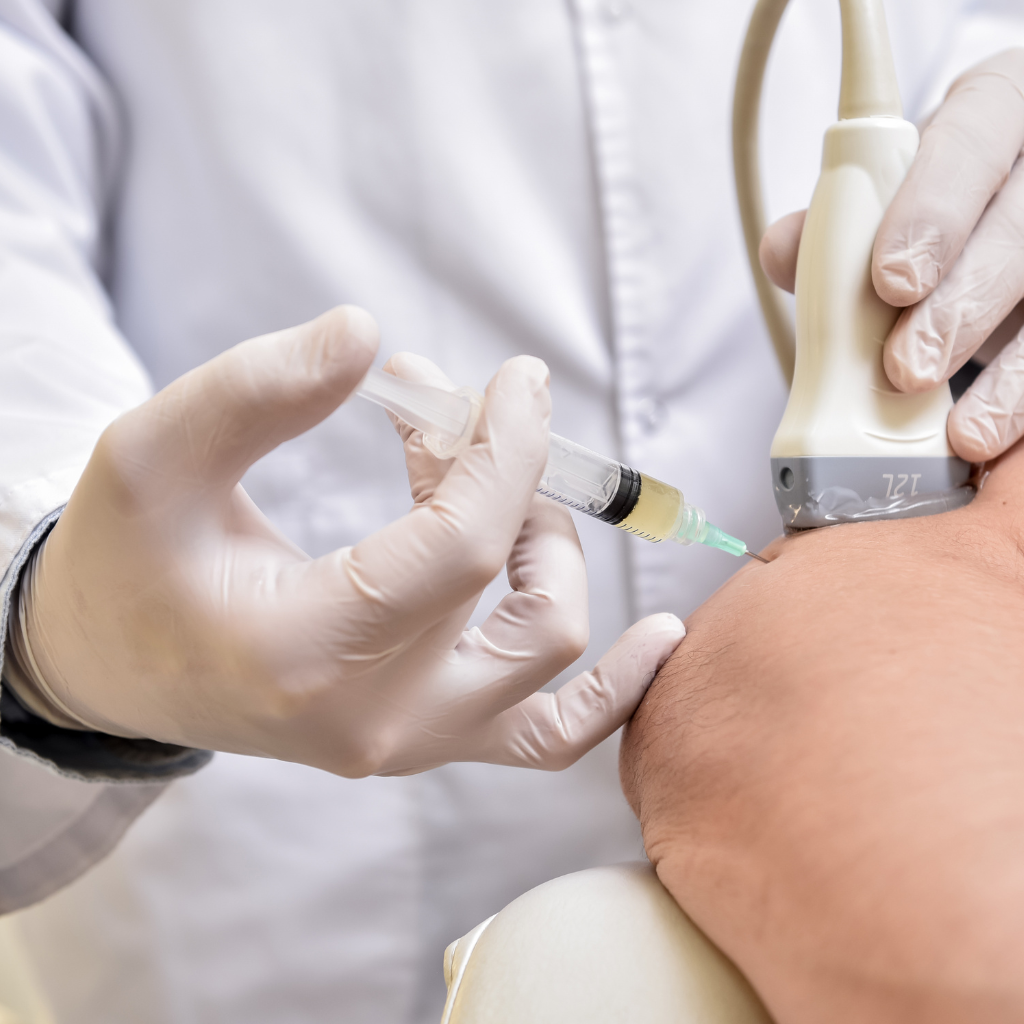
The efficacy of platelet-rich plasma (Regenerative Therapy) therapy is attributed to its high concentration of autologous platelets, which play a pivotal role in tissue repair and regeneration.
Regenerative Therapy works by harnessing growth factors such as platelet-derived growth factor (PDGF), transforming growth factor-beta (TGF-β), and vascular endothelial growth factor (VEGF). These factors promote cellular proliferation, angiogenesis, and extracellular matrix formation, enhancing the effectiveness of Regenerative Therapy treatments.
When Regenerative Therapy gets activated, it releases these bioactive proteins, initiating the healing cascade. The application of platelet-rich plasma in clinical settings has shown benefits of Regenerative Therapy, including accelerated wound healing and reduced inflammation.
Autologous platelet-rich plasma is particularly advantageous as it minimises immune rejection and enhances biocompatibility, making Regenerative Therapy therapy a reliable regenerative medicine approach.
How are stem cells used in Advanced Regenerative Therapy and Regenerative Therapy treatments?
Although both platelet-rich plasma (Regenerative Therapy) and platelet-rich fibrin (Advanced Regenerative Therapy) utilise the regenerative potential of blood-derived components, their roles in conjunction with stem cells differ considerably.
Regenerative Therapy and Advanced Regenerative Therapy treatments harness growth factors that enhance stem cell proliferation and differentiation. The platelet rich fibrin preparation vs platelet rich plasma involves differing centrifugation processes, influencing their biological properties.
Advanced Regenerative Therapy involves a slower centrifugation, resulting in a fibrin matrix that sustains gradual release of growth factors, potentially enhancing stem cell activity over time. Conversely, Regenerative Therapy provides a more immediate release of growth factors.
When choosing between Regenerative Therapy and Advanced Regenerative Therapy, the potential of platelet-rich fibrin to foster a conducive environment for stem cell integration may offer distinct advantages in tissue regeneration applications.
Regenerative Therapy and Advanced Regenerative Therapy offer complementary regenerative strategies.
What Are the Benefits of Regenerative Therapy and Advanced Regenerative Therapy in Regenerative Therapy?
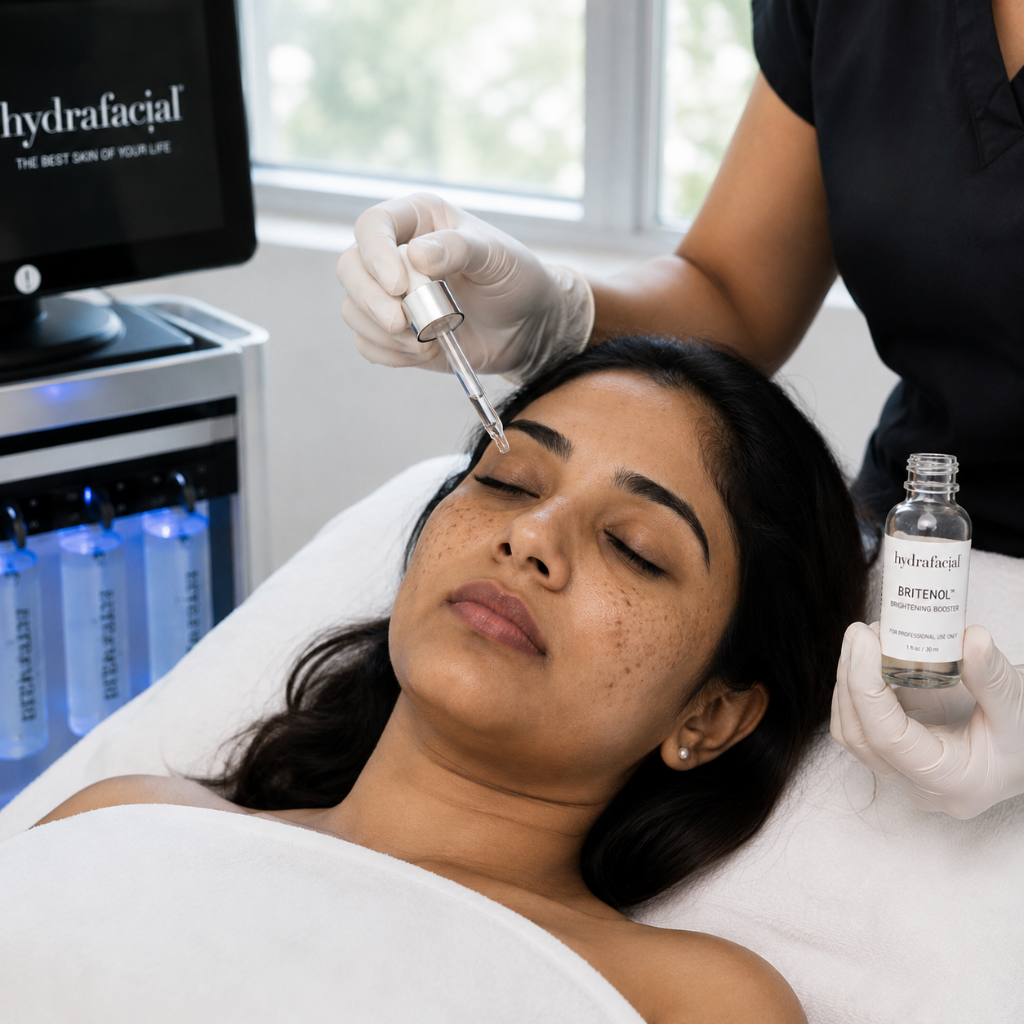
In regenerative therapy, the use of Regenerative Therapy is primarily valued for its ability to stimulate collagen production and enhance hair follicle health, offering significant benefits in facial rejuvenation and hair restoration treatments. The effect of platelet-rich plasma is often immediate, making it a popular choice for patients seeking quick aesthetic improvements and looking to improve scalp health.
Conversely, injectable platelet-rich fibrin (i-Advanced Regenerative Therapy) demonstrates superior healing properties due to its fibrin matrix, which facilitates the sustained release of growth factors. This makes Advanced Regenerative Therapy over Regenerative Therapy a preferred option in treatments aiming for longer-lasting results in tissue regeneration.
Although similar to Regenerative Therapy in preparation and application, Advanced Regenerative Therapy’s structure allows for extended growth factor activity, resulting in more consistent regenerative outcomes over time. Comparative analyses indicate that while Regenerative Therapy, due to its rapid action, is effective for immediate rejuvenation, Advanced Regenerative Therapy may provide more durable and natural results in tissue healing and cellular repair.
What are the main benefits of Regenerative Therapy in facial and hair treatments?
Even though Platelet-Rich Plasma (Regenerative Therapy) therapy has gained substantial attention in aesthetic medicine, its specific benefits in facial and hair treatments are grounded in well-documented regenerative mechanisms.
Regenerative Therapy and Advanced Regenerative Therapy treatments utilise a patient's blood, processed to concentrate platelets, which are abundant in growth factors. In the field of hair restoration, Regenerative Therapy injections have demonstrated the capability of stimulating follicular proliferation and enhancing hair density. Advanced Regenerative Therapy treatment for hair further builds on this by offering potentially enhanced results with its higher concentration of regenerative factors.
The efficiency of Regenerative Therapy as a treatment option for skin rejuvenation lies in its ability to enhance collagen production and improve skin texture. Regenerative Therapy alone, derived from a minimal amount of blood, delivers plasma rich in growth factors, optimising tissue repair and regeneration.
Consequently, Regenerative Therapy remains a highly regarded modality in aesthetic interventions.
What are the healing benefits of Advanced Regenerative Therapy therapy over Regenerative Therapy?
While both Platelet-Rich Plasma (Regenerative Therapy) and Platelet-Rich Fibrin (Advanced Regenerative Therapy) therapies utilise autologous blood-derived products to promote healing, Advanced Regenerative Therapy is often considered superior in regenerative applications due to its unique formulation and sustained release of growth factors.
The difference between platelet-rich plasma and injectable platelet-rich fibrin lies in Advanced Regenerative Therapy's fibrin matrix, which allows a more gradual release of cytokines and growth factors, enhancing tissue regeneration.
- Enhanced Tissue Regeneration: Advanced Regenerative Therapy’s fibrin structure supports a longer release of healing agents.
- Reduced Inflammatory Response: Lower leukocyte levels in Advanced Regenerative Therapy minimise inflammation.
- Improved Healing Benefits: Advanced Regenerative Therapy maximises wound healing processes.
- Sustained Growth Factor Release: Advanced Regenerative Therapy releases growth factors over time, unlike Regenerative Therapy.
- Choosing Between Regenerative Therapy and Advanced Regenerative Therapy: Advanced Regenerative Therapy may be more advantageous for chronic wound management.
How do the benefits of Regenerative Therapy and Advanced Regenerative Therapy compare in results?
Although both Platelet-Rich Plasma (Regenerative Therapy) and Platelet-Rich Fibrin (Advanced Regenerative Therapy) therapies are employed in regenerative medicine for their ability to harness autologous growth factors, their comparative benefits yield distinct clinical outcomes.
Regenerative Therapy, known for its liquid preparation, facilitates ease of injection and rapid release of growth factors, promoting accelerated tissue repair and anti-inflammatory effects.
In contrast, the use of Advanced Regenerative Therapy offers a fibrin matrix that gradually releases growth factors, fostering sustained healing and tissue regeneration.
When comparing Advanced Regenerative Therapy and Regenerative Therapy, Advanced Regenerative Therapy's injectable platelet-rich fibrin provides a scaffold for cell migration, enhancing wound healing.
The Regenerative Therapy vs Advanced Regenerative Therapy debate centers on application specificity; Regenerative Therapy's adaptability contrasts with Advanced Regenerative Therapy's prolonged efficacy, each serving unique therapeutic roles in clinical practice.
How Are Advanced Regenerative Therapy and Regenerative Therapy Prepared and Applied in Treatments?
Platelet-rich plasma (Regenerative Therapy) is prepared through a centrifugation process that isolates growth factor-rich platelets from red blood cells (Regenerative Therapy from RBCs), enhancing their concentration for cosmetic injections. This process also separates poor plasma protein, which is typically discarded, allowing a more targeted use of platelets to improve the efficiency of the platelet rich plasma in the treatment.
In contrast, injectable platelet-rich fibrin (i-Advanced Regenerative Therapy) is prepared by a similar method to Regenerative Therapy, but without anticoagulants. This results in a fibrin matrix that gradually releases growth factors, offering a more sustained regenerative response.
The application techniques of Advanced Regenerative Therapy and Regenerative Therapy differ, with Advanced Regenerative Therapy often yielding more prolonged regenerative outcomes due to its natural fibrin scaffold. At the same time, Regenerative Therapy is typically used when more immediate but shorter-term—term—effects are desired.
How is platelet-rich plasma prepared for cosmetic injections?
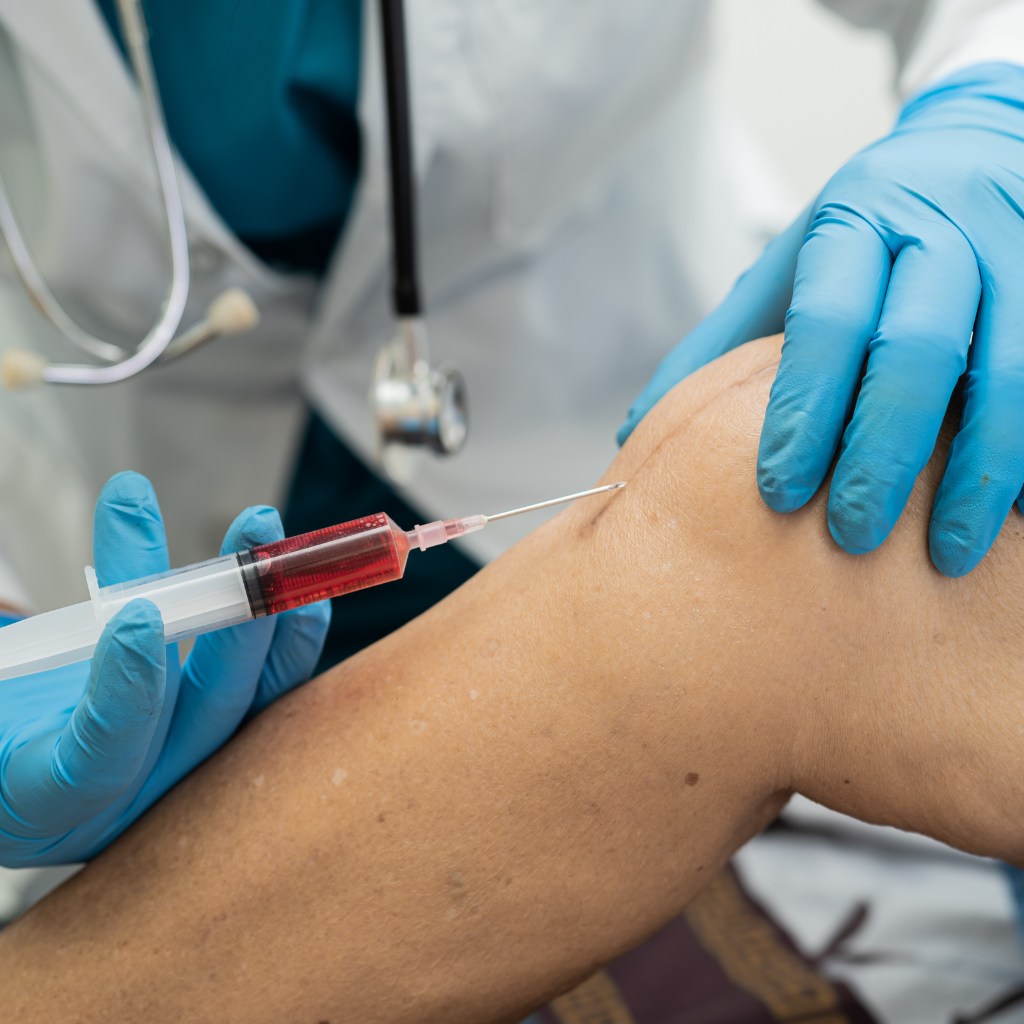
To prepare platelet-rich plasma (Regenerative Therapy) for cosmetic injections, a meticulous multi-step process is undertaken, ensuring peak concentration of growth factors for therapeutic efficacy.
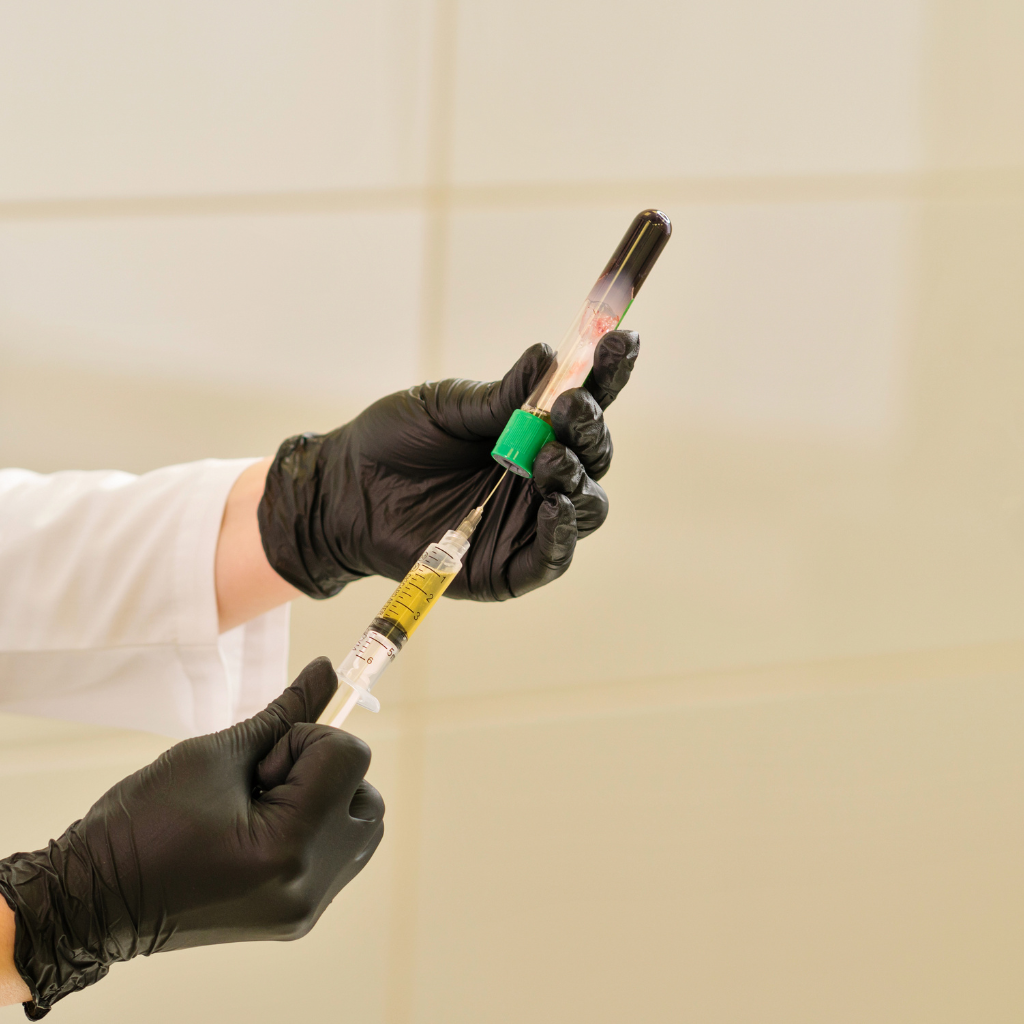
Initially, a blood sample is drawn and placed in a centrifuge. This device spins the sample, causing stratification into layers: red blood cells (RBCs), platelet-poor plasma, and platelet-rich plasma (Regenerative Therapy). The Regenerative Therapy is carefully extracted, isolating the platelets and plasma from RBCs.
- Blood collection: A volume of venous blood is obtained.
- Centrifugation: The sample undergoes spinning in a centrifuge, separating components by density.
- Layer separation: Plasma layers are distinct, with Regenerative Therapy above RBCs.
- Extraction: Pure platelet-rich plasma is drawn from the separated sample.
- Concentration adjustment: Regenerative Therapy may be further refined for prime cosmetic application.
What steps are followed to prepare platelet-rich fibrin?
The preparation of platelet-rich fibrin (Advanced Regenerative Therapy) involves a streamlined process distinct from that of platelet-rich plasma. Advanced Regenerative Therapy is processed by centrifuging whole blood without anticoagulants, forming a second-generation platelet concentrate.
Unlike Regenerative Therapy, the synthesis of Advanced Regenerative Therapy results in a spongy fibrin matrix that traps platelets, leukocytes, and growth factors within its structure. This matrix acts as a natural concentrate fibrin glue, enhancing tissue regeneration.
The primary difference between platelet-rich plasma and platelet-rich fibrin lies in the absence of additives in Advanced Regenerative Therapy processing, allowing for a more natural and bioactive product. This makes Advanced Regenerative Therapy a preferable choice in some clinical settings, as it offers a sustained release of growth factors and a scaffold for cellular migration and proliferation.
How do Advanced Regenerative Therapy and Regenerative Therapy injections differ in technique and results?
How do the preparation and application techniques of Advanced Regenerative Therapy and Regenerative Therapy diverge, and what implications do these differences have on clinical outcomes?
Platelet-rich fibrin (Advanced Regenerative Therapy) is prepared using a low-speed centrifuge, resulting in a fibrin matrix that enhances cellular migration and healing. In contrast, platelet-rich plasma (Regenerative Therapy) involves a higher-speed centrifugation, which isolates platelets without a fibrin scaffold.
This divergence in preparation influences clinical outcomes markedly.
- Advanced Regenerative Therapy for hair restoration: Promotes slower release of growth factors.
- Regenerative Therapy may lead to a rapid but short-lived effect due to its lack of fibrin.
- Use of platelet-rich fibrin: In wound healing, it supports tissue regeneration.
- Advanced Regenerative Therapy and Regenerative Therapy, when combined, offer synergistic benefits.
- Compared to Regenerative Therapy alone: Advanced Regenerative Therapy provides sustained biological activity.
These differences dictate the specific therapeutic applications of Regenerative Therapy or Advanced Regenerative Therapy.
Which Treatment Is Right: Comparing Advanced Regenerative Therapy and Regenerative Therapy Effectiveness?
In evaluating the effectiveness of Advanced Regenerative Therapy versus Regenerative Therapy in aesthetic procedures, it is essential to analyse their distinct mechanisms of action, such as the sustained release of growth factors in Advanced Regenerative Therapy versus the immediate release in Regenerative Therapy. Notably, platelet-rich plasma peptides offer rapid but short-lived regenerative effects, while Advanced Regenerative Therapy provides a more prolonged and natural healing response.
First introduced, Advanced Regenerative Therapy was developed to enhance the limitations observed in earlier platelet therapies by eliminating additives and anticoagulants. Its fibrin matrix supports gradual growth factor delivery, making it especially useful in procedures where extended healing is desired.
Factors influencing the choice between Advanced Regenerative Therapy and Regenerative Therapy for healing include the specific clinical objectives, patient health conditions, and expected recovery timelines. In some cases, Advanced Regenerative Therapy may be combined with Regenerative Therapy to optimise both immediate and long-term regenerative effects.
Ultimately, therapies without platelet-rich fibrin may lack the sustained stimulation needed for certain aesthetic goals, highlighting the importance of treatment personalisation.
How do Advanced Regenerative Therapy and Regenerative Therapy work differently in aesthetic procedures?
While both Platelet-Rich Fibrin (Advanced Regenerative Therapy) and Platelet-Rich Plasma (Regenerative Therapy) are derived from the patient's blood, their mechanisms of action in aesthetic procedures exhibit distinct characteristics.
Advanced Regenerative Therapy, due to its fibrin matrix, guarantees a slow release of growth factors and peptides, enhancing tissue regeneration. In contrast, Regenerative Therapy is rich in plasma adhesion molecules, which facilitate rapid but transient delivery of growth factors.
Advanced Regenerative Therapy's inclusion of white blood cells offers additional immune support, bolstering healing processes. Conversely, Regenerative Therapy's liquid consistency allows for easier application in delicate areas.
The fibrin structure in Advanced Regenerative Therapy serves as a scaffold for cellular proliferation, while Regenerative Therapy's composition focuses on immediate rejuvenation.
- Fibrin matrix for sustained release
- Rapid growth factor delivery in Regenerative Therapy
- White blood cells in Advanced Regenerative Therapy for immune support
- Plasma adhesion molecules in Regenerative Therapy
- Scaffold structure in Advanced Regenerative Therapy
What factors influence choosing Advanced Regenerative Therapy vs Regenerative Therapy for healing?
The choice between Platelet-Rich Fibrin (Advanced Regenerative Therapy) and Platelet-Rich Plasma (Regenerative Therapy) for healing is influenced by several critical factors, each rooted in their unique biochemical compositions and physiological effects.
Advanced Regenerative Therapy, with its fibrin matrix, provides a sustained release of growth factors, which enhances wound healing and tissue regeneration over time. In contrast, Regenerative Therapy offers an immediate but shorter-lived burst of growth factors, making it suitable for acute healing scenarios.
The concentration of blood cells in Advanced Regenerative Therapy is higher, promoting better hemostasis and cellular migration. Treatment selection may also depend on the clinician’s preference and targeted healing outcomes, as Advanced Regenerative Therapy is often favoured for prolonged regenerative effects. At the same time, Regenerative Therapy is chosen for tasks requiring rapid intervention and enhanced initial healing.
How does comparing Advanced Regenerative Therapy and Regenerative Therapy help in treatment planning?
When determining the ideal treatment strategy, clinicians benefit from a comparative analysis of Platelet-Rich Fibrin (Advanced Regenerative Therapy) and Platelet-Rich Plasma (Regenerative Therapy), as it elucidates their respective therapeutic efficacies.
Advanced Regenerative Therapy and Regenerative Therapy differ fundamentally in their composition; Advanced Regenerative Therapy includes a fibrin matrix, while Regenerative Therapy contains concentrated plasma and peptides. This comparison aids in understanding treatment outcomes, such as healing time and tissue regeneration.
Clinicians must consider the presence of red blood cells in Advanced Regenerative Therapy, which can enhance healing through sustained release of growth factors.
- Advanced Regenerative Therapy's matrix structure enhances wound healing by providing a scaffold.
- Regenerative Therapy's high plasma concentration offers rapid release of growth factors.
- Red blood cells in Advanced Regenerative Therapy contribute to sustained therapeutic effects.
- Peptides in Regenerative Therapy accelerate tissue repair.
- Fibrin in Advanced Regenerative Therapy supports cellular migration and proliferation.
Conclusion
In summary, both platelet-rich fibrin (Advanced Regenerative Therapy) and platelet-rich plasma (Regenerative Therapy) offer distinct advantages in regenerative therapy due to their unique preparation and biological properties. Advanced Regenerative Therapy, with its fibrin matrix, allows for sustained release of growth factors, enhancing tissue regeneration. Conversely, Regenerative Therapy's higher platelet concentration provides a more immediate regenerative response. Selection between Advanced Regenerative Therapy and Regenerative Therapy should be based on specific clinical objectives, evidence-based outcomes, and patient-specific factors, ensuring maximum therapeutic efficacy and tailored treatment strategies.