What Is the Difference Between Anti Wrinkle and Wrinkle Relaxation Injections?
You’ve likely heard about Wrinkle Relaxation and anti‑wrinkle injections, but you might not know precisely how they differ. While Wrinkle Relaxation specifically uses a purified botulinum toxin to temporarily paralyse muscle activity and smooth dynamic wrinkles, anti‑wrinkle injections can include a variety of substances—such as hyaluronic‑acid Volume Restoration or collagen stimulants—designed to tackle static wrinkles by restoring volume and structure. Understanding these differences is important, as they affect both the results you can expect and the treatment that best suits your skin concerns. Learning about the benefits of Wrinkle Relaxation for skin can help you decide whether it’s right for you. Are you curious which option might be best for your unique situation? Let’s look at the details so you can make the choice that feels right for you.
What is the Difference Between Anti‑Wrinkle Injections and Wrinkle Relaxation?
You might wonder about the specifics that differentiate Wrinkle Relaxation from other anti‑wrinkle injections. Wrinkle Relaxation is a brand of botulinum toxin approved for cosmetic use; it works by relaxing specific facial muscles to reduce wrinkles. Anti‑wrinkle injections, by contrast, encompass a broader family of injectable treatments—such as Dysport, Xeomin or hyaluronic‑acid Volume Restoration—that may work by either inhibiting nerve signals or restoring lost volume. Comparing how various anti‑wrinkle injections function and their effectiveness helps you choose the right option for smoother skin.
Understanding the Wrinkle Relaxation Brand Name
Wrinkle Relaxation is widely recognised yet often misunderstood. The term refers to a proprietary formulation of botulinum toxin type A, one of several neurotoxins used in aesthetic medicine. While Wrinkle Relaxation was the first botulinum toxin product cleared for cosmetic use, other brands now exist with similar muscle-relaxant effects but subtle differences in formulation, dosage and diffusion properties. Understanding that Wrinkle Relaxation is a brand name clarifies why not all botulinum‑toxin treatments are identical.
Here’s a quick comparison to help you see the differences more clearly:
|
Feature |
Wrinkle Relaxation |
Other Anti-Wrinkle Injections |
|
Main Ingredient |
Botulinum toxin A |
May vary: botulinum toxin A (Dysport, Xeomin) or Volume Restoration (hyaluronic acid, collagen stimulators) |
|
Primary Use |
Aesthetic improvements (dynamic wrinkle reduction, migraine & hyperhidrosis treatment) |
Aesthetic or medical treatments (volume restoration, collagen stimulation, muscle relaxation) |
|
Brand |
Specific (Wrinkle Relaxation) |
Various brands available |
How Anti-Wrinkle Injections Work
Anti‑wrinkle injections generally work by temporarily relaxing the muscles responsible for facial expressions, thereby reducing fine lines and wrinkles. Wrinkle Relaxation achieves this effect with botulinum toxin type A; other neurotoxin brands use similar proteins with slightly different diffusion profiles. Volume Restoration, another common type of anti‑wrinkle injection, do not paralyse muscles but instead restore volume to static wrinkles using gel‑like substances such as hyaluronic acid. Key points to remember:
- Blocking nerve signals: Neurotoxins interfere with the transmission of nerve impulses, preventing muscle contraction.
- Targeted muscle relaxation: Only specific muscles are treated, leaving adjacent muscles unaffected.
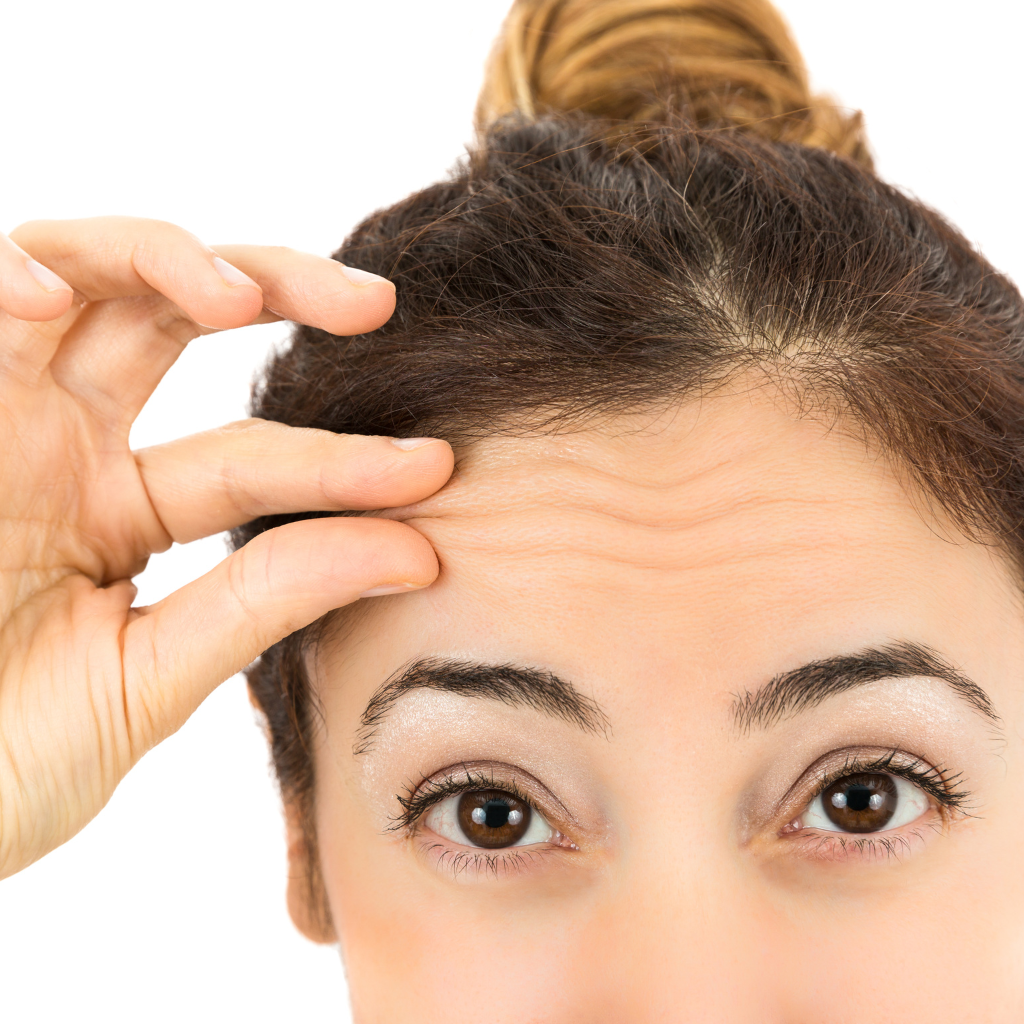
- Dynamic vs. static wrinkles: Neurotoxin injections excel at smoothing expression lines (dynamic wrinkles), while Volume Restoration address deep, static folds.
- Temporary effects: Results typically last between three and six months, after which muscle function gradually returns.
Comparing Wrinkle Reduction Outcomes
Understanding the differences between anti‑wrinkle injections and Wrinkle Relaxation can help you choose the best option for your goals. Wrinkle Relaxation specifically targets muscle activity and is ideal for dynamic wrinkles on the forehead or between the eyebrows. It offers rapid results with minimal downtime and is well‑studied for safety and efficacy. In contrast, other Facial Rejuvenation Treatments may include hyaluronic‑acid Volume Restoration that plump the skin or collagen stimulators that encourage your body to produce new collagen. These alternatives are better suited for static wrinkles and areas that have lost volume.
How Do Anti‑Wrinkle Treatments Work?
Anti‑wrinkle treatments employ different mechanisms depending on the product. Neurotoxins, including Wrinkle Relaxation, Dysport and Xeomin, inhibit nerve signals to the injected muscle, making it temporarily unable to contract and thereby reducing wrinkles. Volume Restoration work by injecting volume‑enhancing substances (e.g., hyaluronic acid) to smooth creases and improve facial contours.
The Role of Botulinum Toxin in Reducing Facial Wrinkles
Botulinum toxin has become a cornerstone of modern facial aesthetics. It temporarily paralyses targeted muscles by blocking acetylcholine release at the neuromuscular junction. This inhibition reduces the appearance of dynamic wrinkles and helping the overlying skin smooth out. Wrinkle Relaxation is highly precise, minimally invasive, quick to administer and backed by decades of clinical experience.
- Precision targeting: Skilled practitioners can treat specific muscles without affecting surrounding tissues.
- Non‑surgical: The procedure involves only small injections, making it a popular alternative to surgery.
- Quick sessions: Most treatments take under 30 minutes with no downtime.
- Extensive research: Wrinkle Relaxation is well-studied and approved for both cosmetic and medical applications, including the treatment of migraines and hyperhidrosis.
Effectiveness in Treating Forehead Lines and Frown Lines
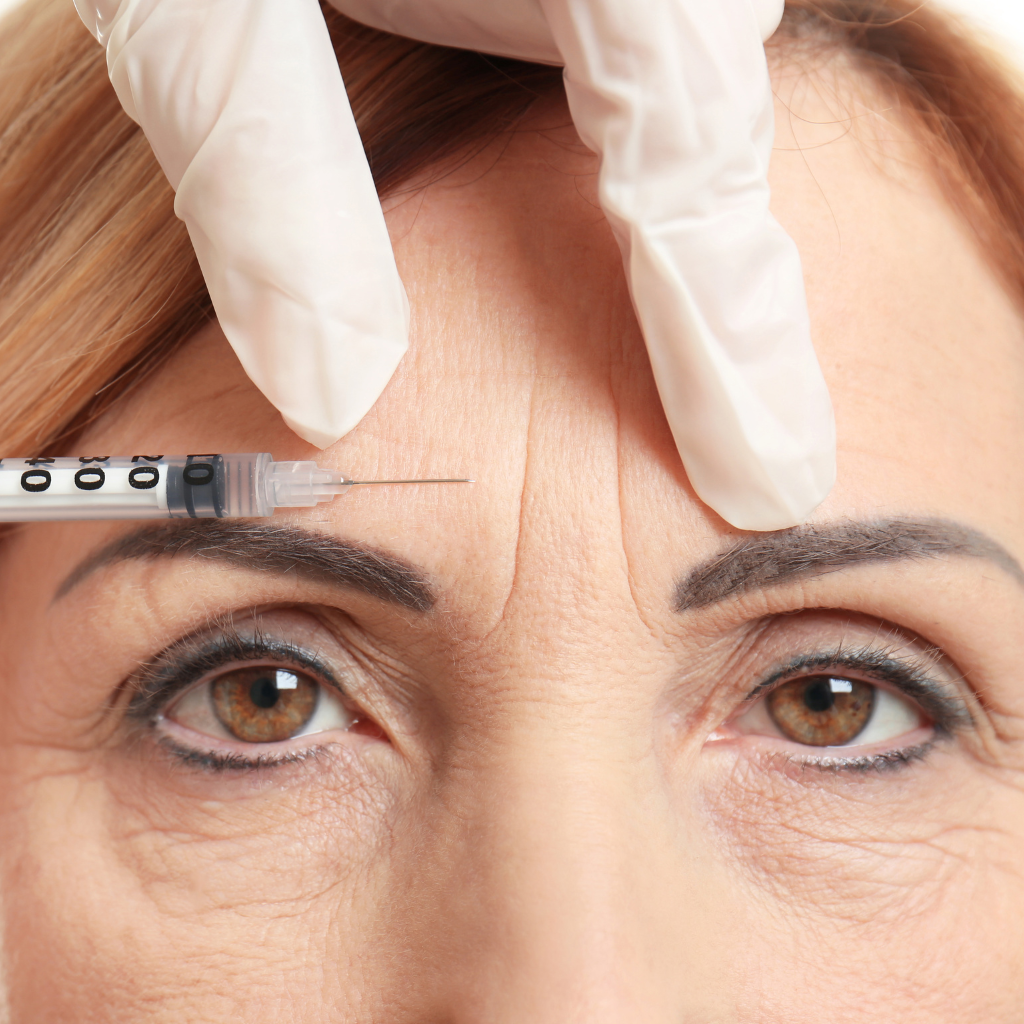
Wrinkle Relaxation remains highly effective for forehead lines, frown lines and crow’s feet because these are caused by repeated facial movements. When injected correctly, the botulinum toxin relaxes the target muscle and softens the overlying skin, helping you achieve a smoother, more youthful appearance. The difference between various neurotoxin brands lies primarily in their diffusion and dosing, but they all operate on the principle of muscle relaxation.
Are Anti‑Wrinkle Injections and Wrinkle Relaxation Used for the Same Conditions?
Though both Wrinkle Relaxation and other anti‑wrinkle Facial Rejuvenation Treatments reduce wrinkles, they are not always interchangeable. Beyond cosmetic uses, Wrinkle Relaxation is approved to treat certain medical issues like migraines, heavy sweating, and teeth grinding. By contrast, Volume Restoration and collagen stimulators focus primarily on aesthetic concerns—enhancing volume and smoothing lines. Understanding these differing applications helps you decide which treatment best fits your needs.
Addressing Medical Conditions Like Excessive Sweating and Migraines
Wrinkle Relaxation’s versatility goes beyond cosmetic use. It can reduce chronic migraine frequency, control hyperhidrosis by blocking sweat glands and even alleviate muscle disorders. These uses highlight Wrinkle Relaxation’s diverse therapeutic potential, whereas Volume Restoration and other anti‑wrinkle injections generally do not treat medical conditions.
Exploring Aesthetic Uses for Anti‑Wrinkle Injections
Anti‑wrinkle injections include various brands like Dysport and Xeomin, each with unique diffusion properties. While Wrinkle Relaxation remains the market leader, alternatives may be chosen for larger treatment areas or specific wrinkle patterns. Dermal Volume Restoration—often hyaluronic acid‑based—are another category of Facial Rejuvenation Treatments, adding volume to cheeks, lips and static folds for a refreshed appearance. Selection is influenced by the intended outcome, individual skin characteristics, and practitioner judgment.
Here’s a comparison of popular treatments:
|
Treatment |
Target Area |
Common Use |
|
Wrinkle Relaxation |
Forehead, Crow’s feet |
Reduce deep wrinkles |
|
Dysport |
Forehead, Glabellar lines |
Subtle smoothing of expression lines |
|
Xeomin |
Crow’s feet, Glabellar lines |
Maintain facial expressions |
When to Choose Wrinkle Relaxation Over Other Facial Rejuvenation Treatments
Although all neurotoxin Facial Rejuvenation Treatments target wrinkles, Wrinkle Relaxation is often preferred for its precise muscle‑relaxant properties, long track record and predictable results. It is especially effective for crow’s feet, forehead lines and frown lines. When longevity and consistent outcomes are priorities, Wrinkle Relaxation may be the optimal choice.

How Long Do the Results of Anti‑Wrinkle Injections and Wrinkle Relaxation Last?
Both anti‑wrinkle injections and Wrinkle Relaxation provide temporary improvements. Results typically last between three and six months, though individual factors—such as metabolism, muscle activity and dosage—affect duration. Volume Restoration may last longer (six to twelve months) depending on the product used and the injection site. Maintaining results requires periodic retreatment.
Typical Duration: Three to Six Months
On average, the muscle‑relaxing effects of Wrinkle Relaxation and similar Facial Rejuvenation Treatments wear off within three to six months as new nerve endings form. Follow‑up treatments may gradually extend intervals as treated muscles weaken. Dermal Volume Restoration, which restore volume rather than paralyze muscles, can last longer depending on the formulation.
What to Expect Immediately After Treatment
Immediately after injections, you may notice mild redness, swelling or tenderness around the treatment area. These effects usually subside within hours to days. Neurotoxins typically take three to fourteen days to reach full effect. Following your practitioner’s aftercare instructions, such as avoiding strenuous exercise or lying down for several hours, can help optimise results.
Factors Influencing How Long Results Last
Several factors influence longevity:
- Metabolism: Faster metabolic rates may break down the product sooner.
- Muscle activity: Highly expressive areas may need more frequent treatments.
- Dosage & technique: Appropriate dosing and precise injection technique can prolong effects.
- Age & skin health: Mature or sun‑damaged skin may require more frequent maintenance.
How to Make an Informed Decision Between Injections vs Wrinkle Relaxation
Selecting between Wrinkle Relaxation and other anti‑wrinkle injections is best done under the guidance of a qualified practitioner. A comprehensive assessment of wrinkle type, facial anatomy, medical history, and aesthetic objectives will guide the recommendation of the most suitable product. A professional can explain differences in formulation, longevity and side‑effect profiles.
Consulting with a Qualified Practitioner
Consult a board‑certified dermatologist or aesthetic physician before deciding on treatment. Verify their experience with both neurotoxins and Volume Restoration. A personalised approach ensures your results look natural and addresses your specific concerns.
Evaluating Treatment Options and Differences
When evaluating options, consider the nature of your wrinkles (dynamic vs static), desired longevity and budget. Neurotoxin injections (Wrinkle Relaxation, Dysport, Xeomin) are typically better for expression lines; Volume Restoration are better for deeper folds or volume loss. Combining both may offer the most comprehensive rejuvenation.
Understanding Lines and Wrinkles Aesthetics
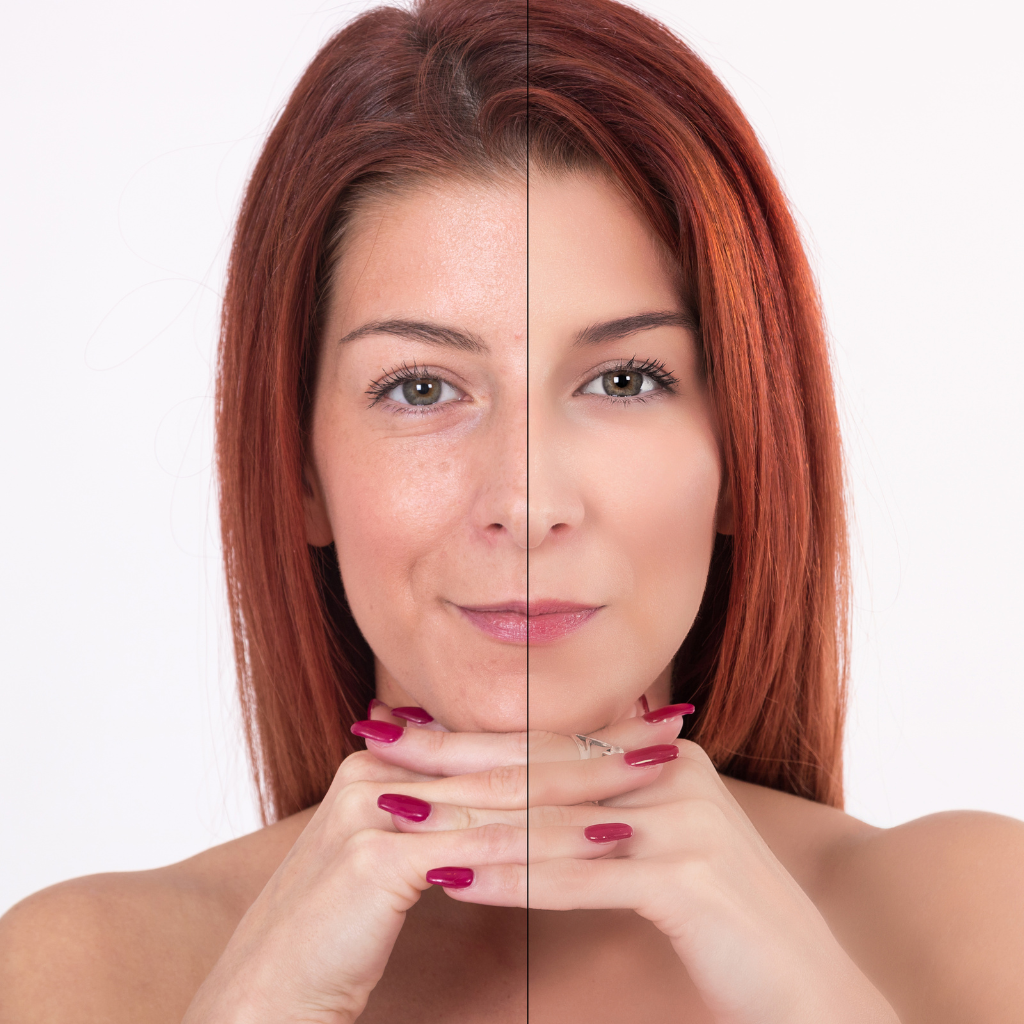
Different wrinkles require tailored approaches. Dynamic wrinkles arise from muscle movement and respond well to Wrinkle Relaxation. Static wrinkles result from collagen loss and respond better to Volume Restoration or collagen stimulators. Additionally, Wrinkle Relaxation can be used for facial slimming by treating the masseter muscles—an option not offered by Volume Restoration. Understanding these distinctions helps you choose the right injectable for a natural, youthful appearance.
Conclusion
To put it simply, Wrinkle Relaxation is a treatment made from botulinum toxin that relaxes facial muscles and reduces the appearance of dynamic wrinkles. Other anti‑wrinkle injections may include neurotoxin brands like Dysport and Xeomin or volume‑restoring Volume Restoration that address static wrinkles. They are not universally interchangeable; the choice depends on your individual concerns, the type of wrinkles you wish to address and how long you want results to last. Both offer temporary solutions, usually lasting three to six months, though Volume Restoration may persist longer. Consulting a qualified professional ensures you select the right treatment and achieve safe, effective results tailored to your unique needs. Many clinics also offer affordable Wrinkle Relaxation treatments, making it accessible to a wider range of individuals seeking facial rejuvenation.