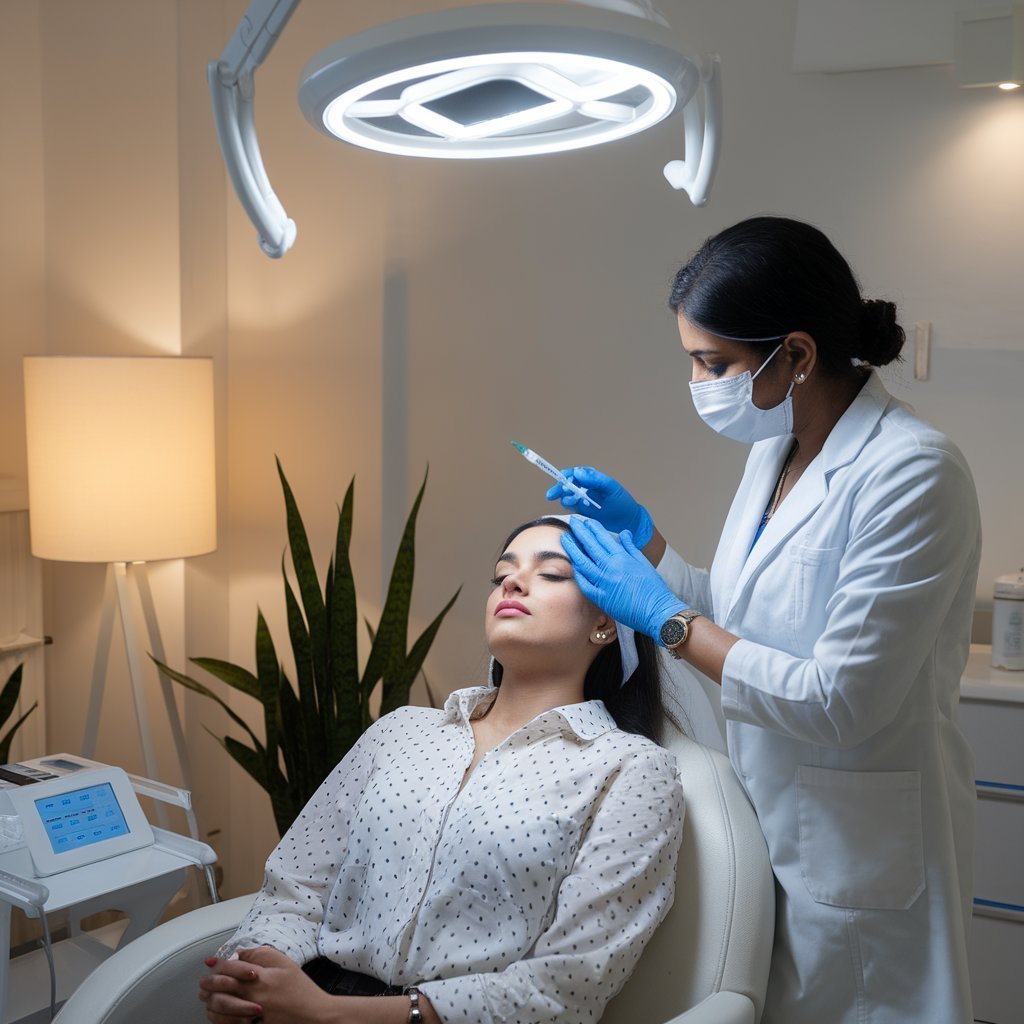
Why HydraFacial Results Fade Faster Than Expected
Introduction
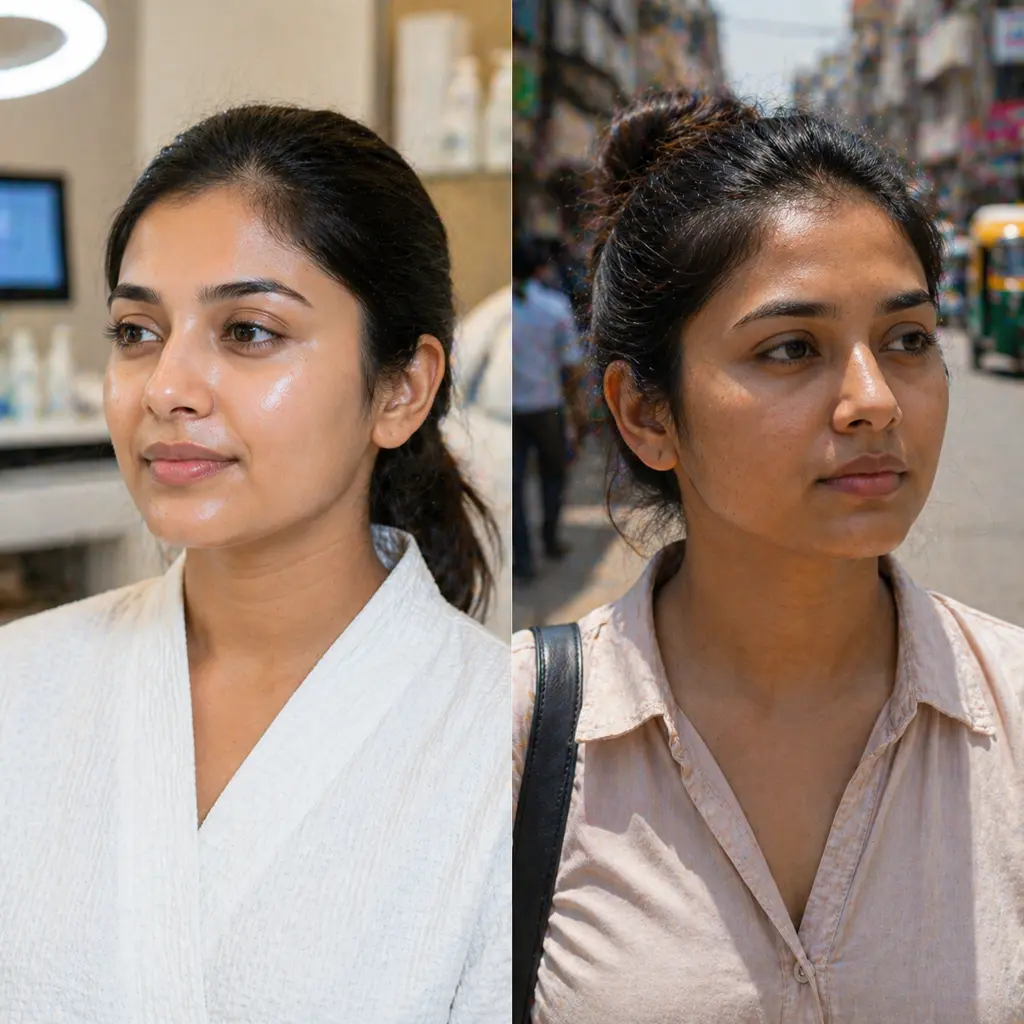
You walked out of the clinic with skin that looked fresh, glowing, and noticeably smoother. A week later, that brightness is gone. The dullness is back, the pores feel congested again, and you are left wondering what went wrong. This is one of the most common questions clients bring to us. Why do HydraFacial results fade quickly for some clients and last beautifully for others? The truth is that the facial itself rarely fails. The fade usually comes from what happens between sessions, and most of those reasons are within your control. Understanding how a professional HydraFacial works can also give you better clarity on what to expect from the results.
How Long HydraFacial Results Should Last
A HydraFacial typically delivers visible results that hold for four to six weeks. Some clients see the glow ease off after the first ten to fourteen days, while others maintain it well into the second month. The duration depends on skin type, daily habits, climate exposure, and aftercare.
If your results are fading within the first week, something specific is working against the treatment. Identifying that factor is the first step in fixing it.
Why Your Skin Loses Its HydraFacial Glow Too Soon
Five common reasons explain why post facial glow disappears earlier than it should. Most are linked to lifestyle and environment, not the treatment itself.
Pollution and Daily UV Exposure
Indian cities expose the skin to dust, smog, and intense UV every single day. Even a thirty-minute commute on a two wheeler can undo a layer of the freshness gained from a facial. Pollution settles into open pores while UV triggers fresh melanin production, both of which dull the complexion.
This shows up most for clients who travel daily, work outdoors, or live in high pollution zones. Without protective habits, the glow simply cannot keep up.
Returning to Strong Active Ingredients Too Soon
Many clients go back to their regular skincare routine the morning after a HydraFacial. Strong actives like retinol, AHA, BHA, glycolic acid, or harsh scrubs can irritate freshly exfoliated skin and strip away the hydration the facial just delivered. Heavy oils and comedogenic creams in the same week can clog the cleared pores and bring back congestion sooner than expected.
The first seven to ten days after the treatment are when product choices matter most.
Internal Dehydration
A HydraFacial floods the skin with hydrating serums, but that hydration needs internal support. Low water intake, plenty of chai or coffee without balancing fluids, and salty meals all contribute to skin that loses its plumpness within days.
Indian summers and humid weather pull more fluid from the body than most people realise. Dewy skin can begin to look tired quickly when hydration is not maintained from within.
Stress, Sleep, and Hormonal Shifts
The skin reflects what is happening inside the body. Disturbed sleep, prolonged stress, and hormonal fluctuations linked to thyroid, PCOS, or menstrual cycles all influence how long facial results hold.
Many Indian women managing demanding work schedules, long commutes, or hormonal concerns find that their skin holds results for a shorter period than the typical timeline suggests. Recognising this helps shape both expectations and the maintenance plan.
Skipping Protection From the Sun
This is the single most common reason results fade in Indian conditions. Skin after a HydraFacial is more receptive to whatever it touches next, and that includes UV. Even on cloudy days, indoor light near windows, and during short outings, the skin is responding to UV exposure. Without daily broad spectrum sunscreen, pigmentation creeps back and brightness fades within the first week.
Skin Type and Why It Affects Glow Duration
Not every skin type holds HydraFacial results for the same length of time.
- Oily and combination skin tends to lose post facial smoothness faster, as oil production can clog cleared pores within ten to fifteen days.
- Dry and dehydrated skin holds the hydration boost longer, but may look dull sooner if a moisturising routine is not maintained.
- Sensitive skin generally responds well but reacts more quickly to environmental triggers like pollution, weather changes, and product mismatches.
Knowing your skin type sets realistic expectations and shapes the aftercare routine your specialist recommends.
Habits That Help Your Glow Last Longer
A handful of consistent habits make the biggest difference in how long your HydraFacial results hold. These are the ones we recommend to every client.
|
Habit |
Why It Matters |
|
Daily broad spectrum sunscreen |
Protects against UV that quickly undoes treatment results. |
|
Stay well hydrated through the day |
Maintains the hydration the facial delivered to the skin. |
|
Gentle skincare for the first ten days |
Prevents irritation and helps the skin recover cleaner. |
|
A moisturiser matched to your skin type |
Locks in hydration both day and night. |
|
Minimal makeup for the first two days |
Lets the skin breathe and settle properly. |
|
No hot showers, sauna, or steam for seventy two hours |
Avoids stripping freshly delivered moisture. |
|
Gentle evening cleansing |
Removes pollution buildup before it settles overnight. |
Done together, these small habits compound. Most clients who follow them see their glow last well beyond the typical four to six week window.
When Fading Results Point to Something Deeper
Sometimes the issue is not aftercare. If your results consistently fade within two to three weeks, even with good habits, it may be a sign that your skin needs more than a facial alone.
Persistent dullness can be linked to underlying pigmentation, accumulated sun damage, or stubborn congestion that a HydraFacial cannot fully address on its own. In these cases, your specialist may recommend pairing the HydraFacial with another targeted treatment, such as a chemical peel or skin rejuvenation session, or adjusting the frequency of your maintenance plan. A clearer understanding of which treatments complement HydraFacial can help you plan the next step with confidence.
This is where a proper assessment becomes important. Fading results are rarely random, they usually point to a specific cause that can be addressed once identified. Being clear on what to ask your specialist before your next session helps you make the most of that conversation.
Building a Maintenance Schedule That Works
Most clients benefit from a HydraFacial every four to six weeks. This rhythm matches the skin's natural renewal cycle and allows each session to build on the last rather than starting from scratch.
For oily or pollution-exposed skin, sessions every four weeks often work better. For dry or sensitive skin, six-week intervals tend to be enough. Your specialist will guide you on the right frequency for how your skin responds.
Conclusion
If your HydraFacial results are fading faster than expected, the cause is rarely the treatment itself. It is usually a mix of pollution exposure, missed sun protection, internal dehydration, and product choices that work against the skin in the days after. With the right habits and a regular maintenance schedule, the glow lasts much longer than people assume. When your skin does not hold results the way it should, the team at Tune Clinical Aesthetics can review your routine and guide the right adjustments.