How to Stop Hair Fall: Causes & Dermatologist Solutions
The best way to stop excessive hair fall is to identify and address its underlying cause. Some daily shedding is normal, but persistent or increased hair fall can be linked to genetics, stress, nutritional deficiencies, hormonal changes, scalp conditions, medications or hair damage. The right hair fall solution depends on whether you are experiencing temporary shedding, hair shaft breakage or progressive follicle-related hair loss.
Hair fall becomes more concerning when shedding stops feeling temporary and you start noticing visible thinning, a widening part, a receding hairline, or reduced density in areas such as the eyebrows or beard.
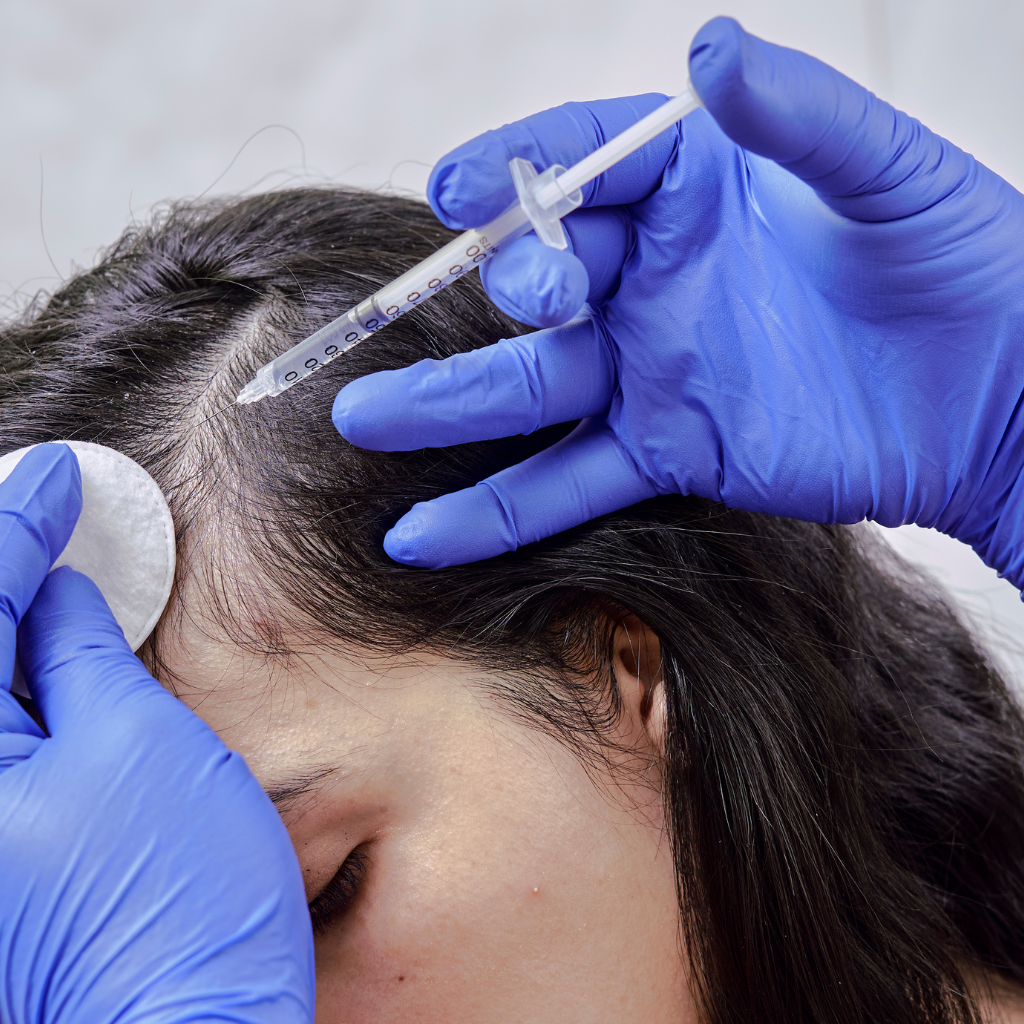
At Tune Clinical Aesthetics, a dermatologist led hair assessment helps identify the pattern and possible cause of hair loss before an appropriate treatment plan is considered. For selected cases of hair loss affecting the scalp, eyebrows or beard, our Plena personalised hair-density protocol may incorporate PRF, exosomes and other appropriate modalities based on the individual's condition.
What Causes Hair Fall?
Hair goes through a natural growth cycle, and some daily shedding is normal. Several factors, however, can interrupt this cycle or damage the hair shaft.
Genetic Hair Loss
Androgenetic alopecia, or pattern hair loss, is a common cause of progressive thinning. Men may notice a receding hairline or crown thinning, while women may experience a widening part or reduced overall density. Because pattern hair loss can progress gradually, early assessment may help identify it before more noticeable density loss occurs.
Stress
Physical or emotional stress, illness, surgery, rapid weight loss or other major changes can temporarily disrupt the hair growth cycle and cause increased shedding. This type of shedding may become noticeable several weeks to months after the triggering event, rather than immediately.
Nutritional Deficiencies
Low levels of iron, vitamin D, vitamin B12, zinc or protein may contribute to hair shedding. Hair growth supplements should only be taken after confirming a deficiency with appropriate medical guidance. However, hair fall should not automatically be attributed to a vitamin deficiency. Supplements are best taken only when a deficiency or increased nutritional requirement has been identified and appropriate medical guidance has been provided.
Hormonal Changes
Thyroid disorders, polycystic ovary syndrome, pregnancy and menopause can affect the hair growth cycle. Hair fall accompanied by other hormonal symptoms should be professionally evaluated. Hair fall accompanied by irregular periods, acne, unwanted facial hair, fatigue or other hormonal symptoms may require medical evaluation to identify the underlying cause.
Scalp Problems
Dandruff, inflammation, infections and other scalp conditions may contribute to shedding or breakage. Persistent itching, redness, scaling or discomfort should be assessed rather than managed only with cosmetic products.
Damage Caused By Hair Styling
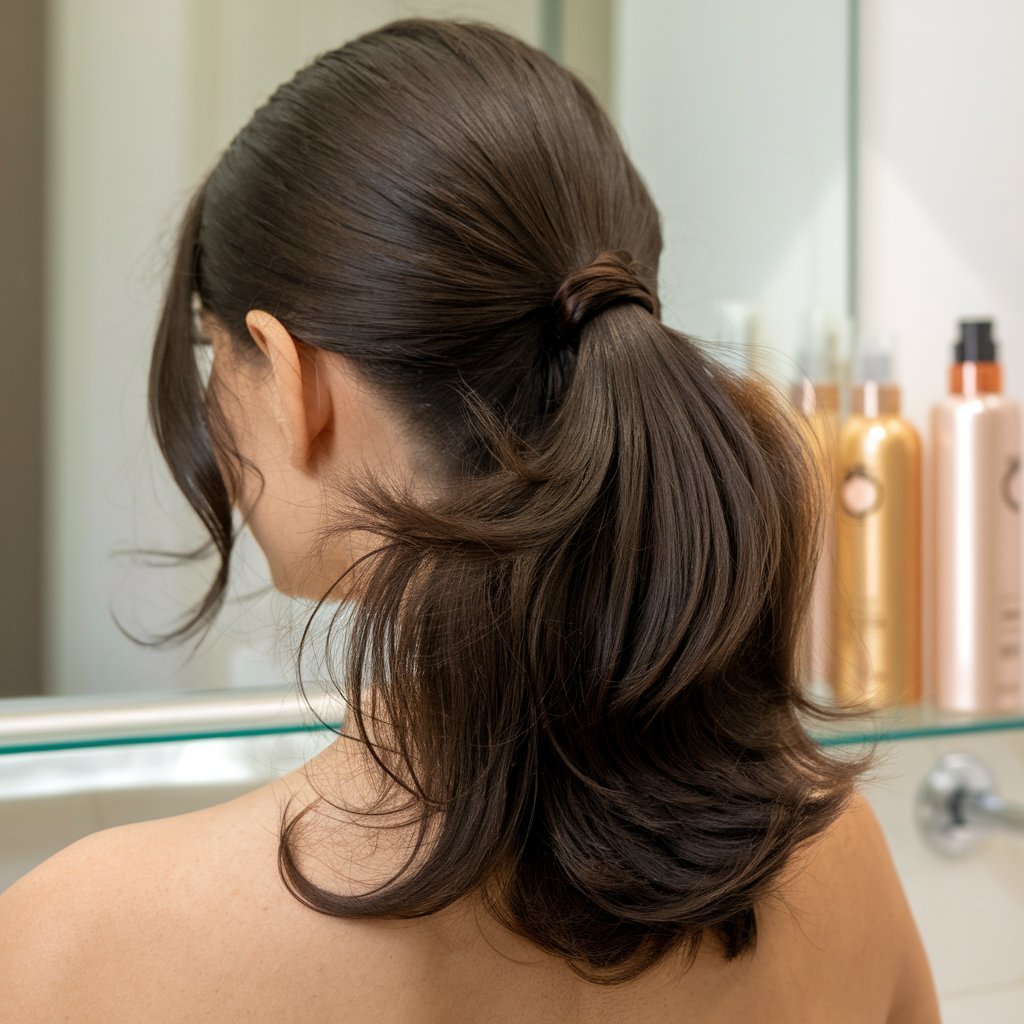
Frequent heat styling, chemical treatments and tight hairstyles can weaken the hair shaft and cause breakage, making the hair appear thinner even when the follicles themselves are healthy. Repeated tension from tight hairstyles can also contribute to traction-related hair loss.
How Much Hair Fall Is Normal?
Ideally, on an average, losing between 50 and 100 strands of hair per day (and up to 150 on wash days) is completely normal. This daily shedding happens because your hair naturally cycles through growth and resting phases, making room for new hair to grow.
The amount can vary with hair density, washing habits and individual growth patterns. Occasionally noticing extra shedding is not necessarily a reason for concern. However, persistent shedding or a visible change in hair density deserves closer attention.
How to Reduce Hair Fall at Home
If you are looking for ways to reduce hair fall, start by protecting the scalp and minimising avoidable hair damage. These measures cannot treat every form of hair loss, but they can help maintain scalp and hair health.
- Eat a balanced diet with enough protein and essential nutrients.
- Avoid tight hairstyles that repeatedly pull on the hair.
- Limit excessive heat styling, bleaching and chemical treatments.
- Handle wet hair gently and avoid vigorous towel drying.
- Keep the scalp clean and address persistent dandruff or inflammation.
- Avoid taking iron, vitamin D, biotin or other supplements unless a deficiency or medical need has been identified.
- Use gentle hair-care practices if your hair is fragile or prone to breakage.
If shedding continues despite improving your hair-care routine, home care may not be addressing the underlying cause.
How to Control Hair Fall: Home Care vs Clinical Treatment
Home care has an important role in maintaining scalp and hair health, but it cannot address every cause of hair loss.
For example, changing your shampoo may help with scalp cleanliness, but it cannot reverse genetically driven follicle miniaturisation. Similarly, hair oils can condition the hair but are not a universal treatment for hair loss.
The key difference is that home care mainly helps reduce avoidable damage, while clinical management focuses on identifying and addressing the cause of hair loss.
If shedding continues despite improving your routine, it may be time to consult a dermatologist. An examination can help identify the pattern and possible cause before treatment is considered. Depending on the diagnosis, this may include medication, correction of an identified nutritional deficiency, management of an underlying scalp condition, or selected regenerative or procedural options.
Hair Fall Treatment Options
The right hair fall solution depends on the type and cause of hair loss, how long it has been present, the extent of thinning and the condition of the follicles. For selected cases where regenerative approaches may be appropriate, Tune offers Advance Regenerative Therapy Treatment In Chennai as part of its hair-focused clinical options.
Medical Treatment
Some types of hair loss may respond to prescription medications, selected according to your diagnosis and medical history. For example, certain forms of pattern hair loss may be managed with dermatologist-prescribed medicines. The appropriate option depends on factors such as age, sex, medical history, pregnancy status and the type of hair loss.
PRF and Exosomes for Hair Density
PRF is prepared from your own blood and contains platelets and growth factors. It may be considered in selected cases to support existing hair follicles and improve hair density.
Exosomes are cell-derived signalling materials being investigated and used in some aesthetic and regenerative settings. Evidence and protocols can vary, so their suitability should be assessed on an individual basis rather than assumed for every type of hair loss.
At Tune, PRF and exosomes may form part of Plena, our personalised hair-density protocol, when considered appropriate following assessment.
Tune also provides other hair-focused aesthetic services, including Laser Hair Removal Treatment In India, with the approach selected according to the individual's skin type, hair characteristics and treatment area.
What Does a Combination Protocol for Hair Density Look Like?
Hair loss does not look the same in every person, and the condition of the follicles can vary across the scalp, eyebrows and beard.
Plena brings together PRF, exosomes and other appropriate modalities where indicated, so the protocol can be adapted to the area being treated and the condition of the existing follicles.
The objective is to support existing follicles and work towards improving hair density over time, rather than suggesting that every type of hair loss can be reversed.
Hair Loss Beyond the Scalp: Eyebrows and Beard
Hair loss can also affect the eyebrows and beard due to genetics, hormonal changes, nutritional deficiencies, skin conditions or other causes. These areas require individual assessment because the treatment approach may differ from scalp hair loss.
Plena can be adapted for the scalp, eyebrows or beard, where clinically appropriate, with the protocol selected according to the affected area, follicular health and underlying cause.
For patients specifically looking for unwanted hair reduction rather than hair-loss management, Tune also provides Laser Hair Reduction In Coimbatore.
How to Prevent Hair Fall?
Not all hair loss can be prevented, but healthy habits may help reduce avoidable damage:
- Eat a balanced diet
- Manage stress and prioritise adequate sleep
- Avoid tight hairstyles and excessive heat
- Treat persistent scalp conditions promptly
- Avoid unnecessary supplements
- Avoid repeated chemical processing if your hair is becoming fragile
- Seek early advice for persistent thinning
Early evaluation can help distinguish temporary shedding from progressive hair loss and identify potential causes that may require specific management.
Finding the Right Hair Fall Solution
There is no single solution that can stop every type of hair fall. The first step is identifying whether the problem is excessive shedding, hair breakage or progressive hair loss caused by changes in the follicles.
Healthy hair-care habits can help reduce avoidable damage, but persistent or progressive hair loss may require professional evaluation and condition-specific management.
At Tune Clinical Aesthetics, best aesthetic clinic in India, a dermatologist-led assessment can help identify the underlying cause and determine whether Plena, our personalised hair-density protocol, is appropriate for your individual case. Plena may combine PRF, exosomes and other suitable modalities based on the affected area and condition of the existing follicles.
If you are experiencing ongoing shedding or noticeable thinning, an early assessment can help determine what is causing the change and which options may be appropriate for your hair and scalp.
Frequently Asked Questions
Can hair fall be stopped completely?
Not every type of hair loss can be completely stopped. Identifying the cause early can help manage progression and improve the chances of maintaining existing hair.
What is the fastest way to stop hair fall?
There is no universal treatment for hair loss. The quickest route to appropriate management is identifying the underlying cause before choosing a treatment.
Does PRF help with hair loss?
PRF may support existing hair follicles and improve the scalp environment in selected cases. It is often considered as part of a broader treatment plan.
What is Plena for hair loss?
Plena is Tune's personalised hair-density protocol, combining PRF, exosomes and other appropriate modalities based on the cause of hair loss and follicular health.
Can hair loss affect eyebrows and beard?
Yes. Eyebrow and beard hair can also become thinner or patchy due to genetic, hormonal, nutritional, inflammatory or other causes and may require specific assessment.
Popular Searches
Body Tan Removal In Chennai | Hydrafacial In Chennai | Laser Hair Removal In Chennai | Acne Treatment In Chennai
Popular Blogs
How To Remove Black Pimples For Face