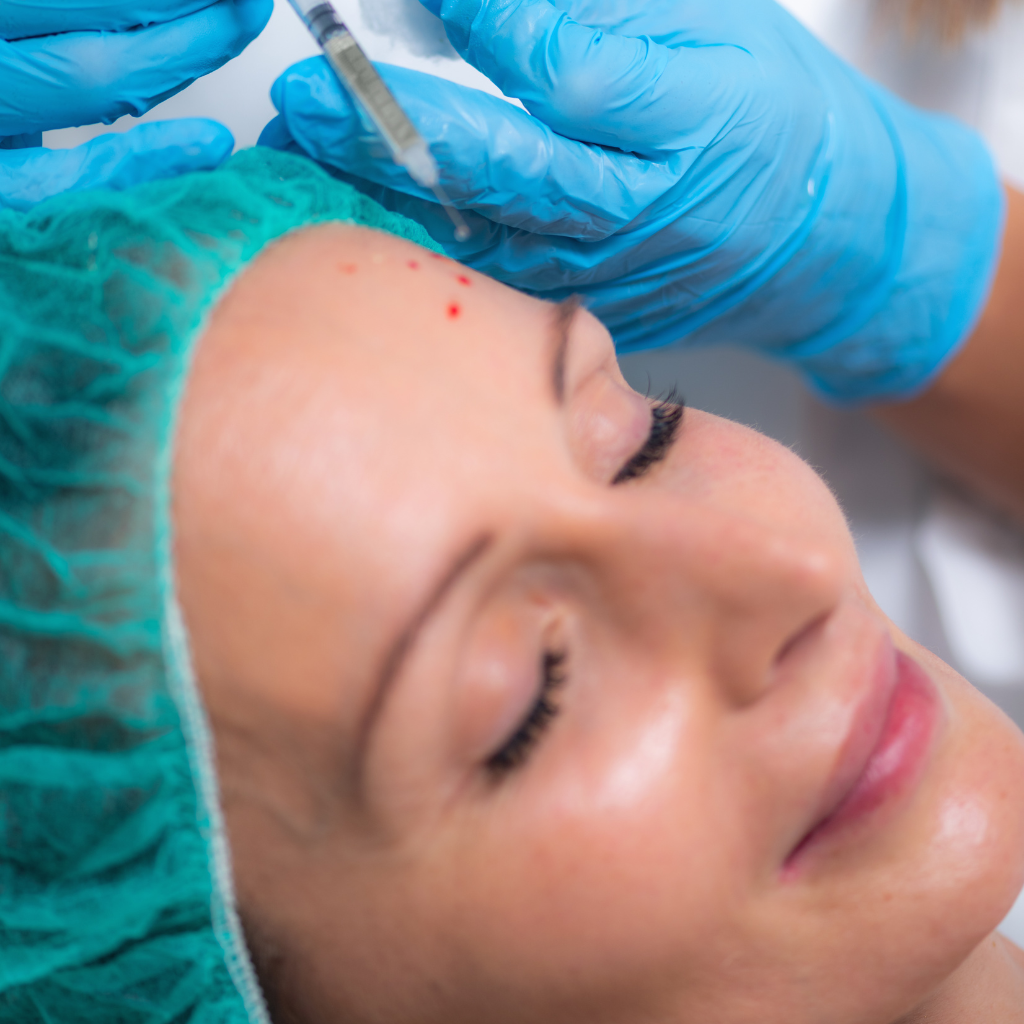
Microneedling for Acne Scars: Does It Work?
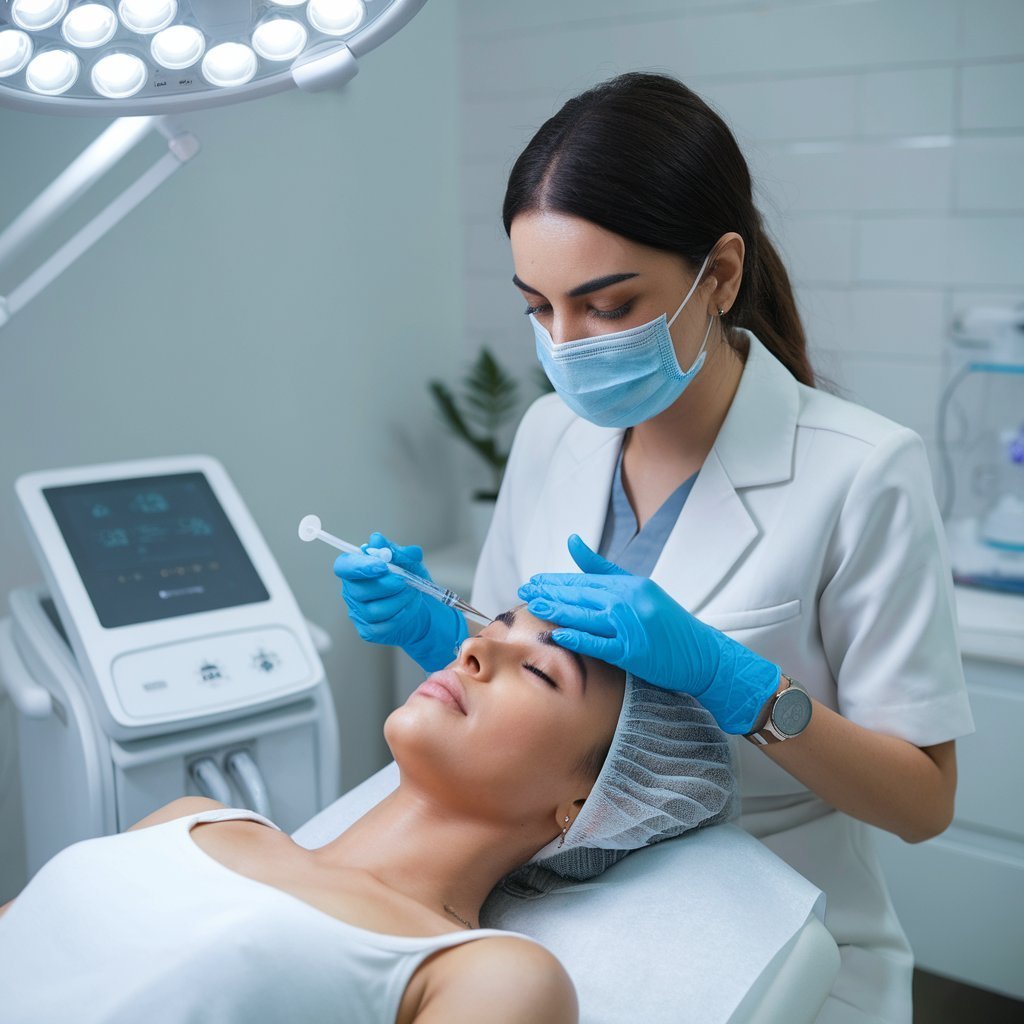
Yes, microneedling can improve the appearance of some acne scars, particularly depressed scars such as rolling and shallow boxcar scars. It works by creating controlled micro-injuries that stimulate the skin's wound-healing and collagen-remodelling processes.
However, microneedling does not work equally well for every type of acne scar. Deep ice-pick scars, tethered rolling scars and raised scars may require more targeted or combination procedures.
At Tune Clinical Aesthetics, we assess the type, depth and structure of your acne scars before deciding whether conventional microneedling, RF microneedling or another scar-specific procedure is appropriate.
How Does Microneedling Work for Acne Scars?
Depressed acne scars develop when inflammation from acne damages the deeper layers of the skin and alters the normal collagen structure.
Microneedling uses fine needles to create controlled micro-injuries in the skin. This activates a wound-healing response and encourages collagen remodelling over time, which can gradually improve the appearance of depressed scars and uneven texture.
The treatment does not simply fill a scar immediately. The visible improvement develops progressively as the skin heals and remodels collagen.
This is why results are usually assessed over a series of treatments rather than immediately after one session.
Which Acne Scars Respond Best to Microneedling?
The type of acne scar matters more than simply having a diagnosis of "acne scars."
Acne scar type | How microneedling may help |
Rolling scars | May improve shallow, broad depressions and uneven texture |
Shallow boxcar scars | May soften their appearance through collagen remodelling |
Deep boxcar scars | May require a combination approach |
Ice-pick scars | Often need more targeted procedures because of their depth |
Raised/hypertrophic scars | Microneedling is generally not the primary approach |
Keloid scars | Require careful assessment because procedures that injure the skin may not be appropriate |
Rolling scars
Rolling scars are broad, shallow depressions that can create a wavy or uneven appearance.
Microneedling may help improve their appearance by stimulating collagen remodelling. If the scar is tethered by fibrous bands underneath the skin, however, microneedling alone may not address the underlying cause.
In these cases, a procedure such as subcision may be considered.
Boxcar scars
Boxcar scars have more defined edges and can vary considerably in depth.
Shallow boxcar scars may respond to microneedling, while deeper or sharply defined scars may require another procedure or a combination approach.
Ice-pick scars
Ice-pick scars are narrow and extend deeper into the skin.
Because of their depth and narrow structure, microneedling alone may not adequately reach or remodel the entire scar. Targeted procedures such as TCA CROSS may be considered for selected scars.
Raised acne scars
Hypertrophic scars and keloids are raised rather than depressed.
They are fundamentally different from atrophic acne scars, so microneedling is not generally the first-line approach for these scar types. Anyone with a history of keloid formation should discuss this with a qualified clinician before undergoing a procedure that creates controlled skin injury.
What Are the Benefits of Microneedling for Acne Scars?
When appropriately selected, microneedling may help:
- Improve the appearance of depressed acne scars
- Reduce the visibility of shallow indentations
- Improve uneven skin texture
- Create a smoother-looking skin surface
- Support collagen remodelling in the treated area
The degree of improvement varies. Scar depth, type, skin characteristics, previous acne activity and the treatment protocol can all influence the outcome.
Microneedling should therefore be viewed as a way to improve the appearance of acne scars, rather than completely erase them.
How Many Microneedling Sessions Are Needed for Acne Scars?
There is no fixed number of sessions that works for everyone.
A series of treatments is commonly used for acne-scar improvement, with sessions spaced apart to allow the skin to recover and remodel.
The number of sessions depends on:
- Scar type
- Scar depth
- Number and distribution of scars
- Skin type and condition
- Treatment depth and technique
- Previous scar treatments
- How your skin responds
Some patients may see meaningful improvement after a few sessions, while more extensive or deeper scarring may require a longer treatment plan or combination procedures.
Your clinician should determine the treatment interval rather than using the same schedule for every patient.
When Will You See Results From Microneedling?
Microneedling does not provide an instant correction of acne scars.
You may notice changes in skin texture as the skin recovers, but collagen remodelling continues for weeks to months after treatment.
For acne scars, results are therefore assessed progressively across the treatment course.
The final degree of improvement depends on the original scar structure and how the skin responds to treatment.
What Is RF Microneedling?
RF microneedling combines microneedling with radiofrequency energy.
Fine needles deliver controlled radiofrequency energy at selected depths within the skin. This allows the treatment to combine mechanical microneedling with thermal stimulation.
RF microneedling may be considered when deeper textural or structural changes require a different treatment approach from conventional microneedling.
However, RF microneedling is not automatically better for every acne scar.
The choice between conventional microneedling and RF microneedling depends on the scar pattern, depth, skin characteristics, treatment goals and clinical assessment.
Microneedling vs RF Microneedling for Acne Scars
Feature | Microneedling | RF Microneedling |
Main mechanism | Controlled micro-injuries | Microneedling + radiofrequency energy |
Primary goal | Collagen remodelling and texture improvement | Collagen remodelling with controlled thermal energy |
Suitable concerns | Selected depressed scars and uneven texture | Selected scars where RF may add value |
Depth/energy | Mechanical treatment | Needle depth + RF energy can be adjusted |
Best option | Depends on scar type and skin | Depends on scar type and skin |
Neither option is universally superior. The treatment should be selected according to the scar rather than simply choosing the more technologically advanced procedure.
Is Microneedling Safe for Indian Skin?
Microneedling can be performed across different skin tones when appropriately selected and performed.
However, Indian and other skin-of-colour patients can be more susceptible to post-inflammatory hyperpigmentation after skin inflammation or injury, so treatment parameters and aftercare matter.
A clinician should consider:
- Skin tone
- Previous pigmentation after procedures
- Current inflammation
- Active acne
- Recent sun exposure
- Treatment depth
- Aftercare and sun protection
The goal is to stimulate controlled healing without creating unnecessary inflammation or injury.
What Should You Expect After Microneedling?
After microneedling, temporary redness, warmth, sensitivity or mild swelling can occur.
Depending on the treatment intensity, you may also experience:
- Mild tightness
- Dryness or flaking
- Temporary sensitivity
- Mild pinpoint bleeding immediately after treatment
These effects generally improve as the skin recovers.
Your clinician will provide specific aftercare instructions. Sun protection is particularly important after procedures that temporarily increase skin sensitivity.
Avoid introducing potentially irritating skincare products too soon after treatment unless your clinician advises otherwise.
Can Microneedling Completely Remove Acne Scars?
No acne-scar treatment can guarantee complete scar removal.
Microneedling can improve the appearance of selected depressed acne scars, but the degree of improvement depends on the original scar structure, depth, skin response and treatment plan.
For deeper or complex scarring, combination treatment may produce a more appropriate result than relying on microneedling alone.
The realistic goal is usually to make scars less noticeable and improve overall skin texture, rather than make the skin identical to completely unscarred skin.
The Takeaway
Microneedling can work for acne scars, particularly selected rolling and shallow boxcar scars, by stimulating controlled skin repair and collagen remodelling. It is less suited to deep ice-pick scars, tethered scars or raised scars, which may require more targeted approaches.
At Tune Clinical Aesthetics, acne scars treatment is done after understanding their type, depth and underlying structure before selecting microneedling, MNRF, subcision, TCA CROSS, fractional CO2 or another appropriate approach.
The goal is not simply to choose a procedure. It is to choose the procedure that addresses the specific structure of your scars.
FAQs
Does microneedling really work for acne scars?
Microneedling can improve the appearance of selected depressed acne scars, particularly rolling and shallow boxcar scars. Results vary depending on scar depth, type and skin response.
How many microneedling sessions are needed for acne scars?
There is no universal number. A series of sessions is commonly used, but the appropriate number and treatment interval depend on your scar type, severity and response to treatment.
How soon will I see results from microneedling?
Some changes in texture may become noticeable as the skin recovers, but collagen remodelling continues for weeks to months, so acne-scar improvement develops progressively.
Is microneedling good for ice-pick scars?
Ice-pick scars are usually more difficult to improve with microneedling alone because they are narrow and deep. A targeted procedure such as TCA CROSS may be considered for selected scars.
Is microneedling good for rolling scars?
Microneedling may improve shallow rolling scars, particularly when collagen remodelling can improve the uneven texture. If the scars are tethered underneath the skin, subcision may be considered.
Is RF microneedling better than regular microneedling for acne scars?
Not necessarily. RF microneedling adds radiofrequency energy to the procedure, but the more appropriate option depends on scar type, depth, skin characteristics and treatment goals.
Is microneedling safe for Indian skin?
Microneedling can be performed on Indian skin when appropriately selected and performed. Treatment parameters and aftercare are important because excessive inflammation can increase the risk of post-inflammatory pigmentation.
Can microneedling completely remove acne scars?
No. Microneedling can reduce the appearance of selected acne scars, but complete scar removal cannot be guaranteed. Deeper or complex scars may require combination treatment.
Can I have microneedling if I have active acne?
Microneedling is generally not performed over active, inflamed or painful acne. The active acne may need to be controlled before scar-focused procedures are considered.
What is the difference between microneedling and MNRF?
Microneedling uses controlled needle-based micro-injuries, while MNRF combines microneedling with radiofrequency energy. Both can stimulate skin remodelling, but the appropriate option depends on the scar and treatment plan.
Popular Searches
Hydrafacial Erode | Aesthetic Clinic Coimbatore | Underarm Pigmentation Treatment | Dermaplaning Chennai | Laser Hair Removal Chennai | Acne Clinic In Chennai | Skin Lightening Treatment in Coimbatore | Hydrafacial Coimbatore
Popular Blogs
Types Of Stretch Marks | What Does Tanning Do To Your Skin | How To Stop Hair Loss | Hydrafacial Cost In Chennai | How to Tighten Neck Skin | How To Stop Leg Hair Growth | PRP Treatment for Hair | How To Remove Dark Circles | How To Remove Pimple Marks | Dandruff Causes & Treatment