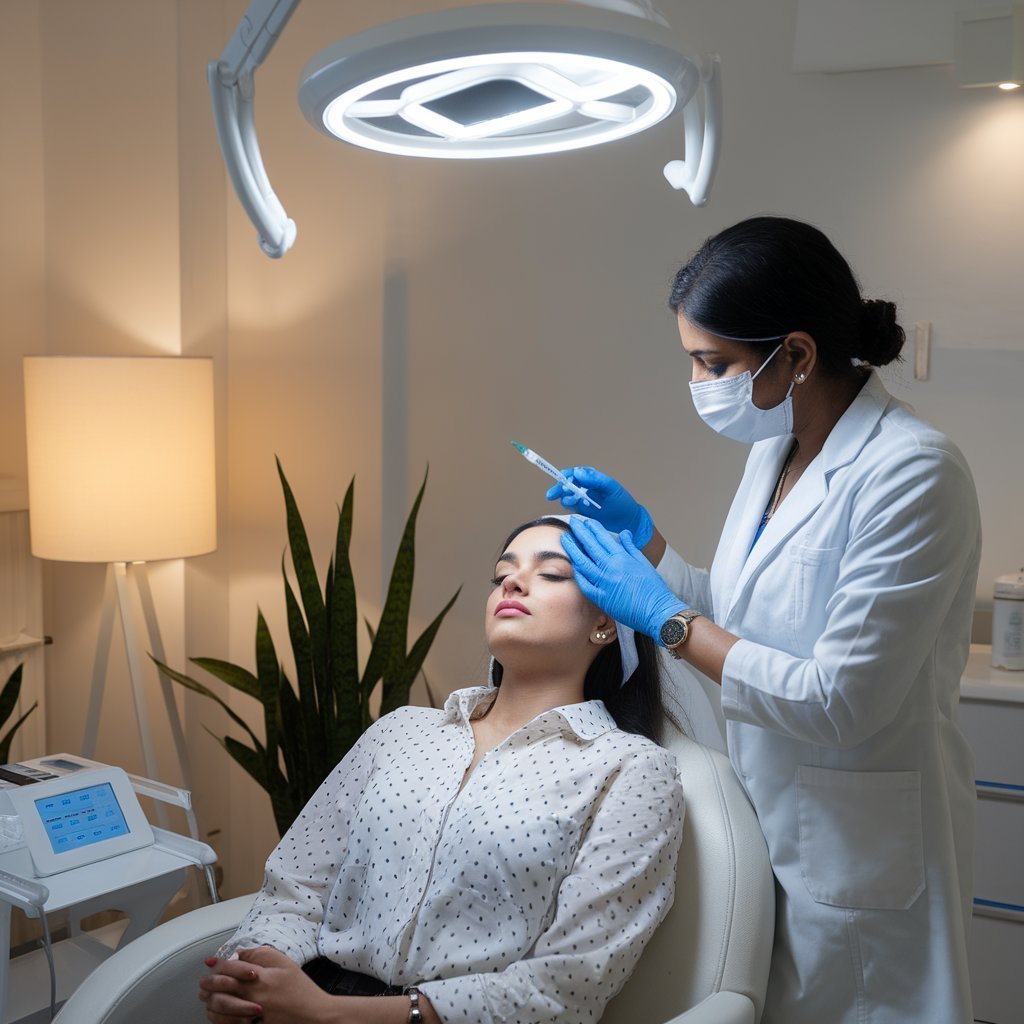
Is Tan Removal Permanent or Temporary? What to Expect
TLDR Clinical tan removal does not make skin permanently immune to future tanning, but it can clear existing pigmentation deeply and deliver results that last months to years with the right aftercare.
Introduction
If I go through a course of treatment, will my skin stay clear? Or will the tan come back in a few weeks?
The honest answer sits between the two. Clinical treatment delivers results that last significantly longer than surface level approaches, but no treatment makes the skin permanently immune to future tanning. This guide explains what that really means and what it takes to keep your skin clear.
Temporary vs Long-Lasting: The Real Difference
Temporary tan removal works at the surface. It addresses the outermost layer of pigmented cells, giving a brighter appearance for a short period. But it does not reach deeper layers, and new UV exposure continues to trigger melanin production, so results fade quickly. Home methods, DIY scrubs, and brightening face packs fall into this category.
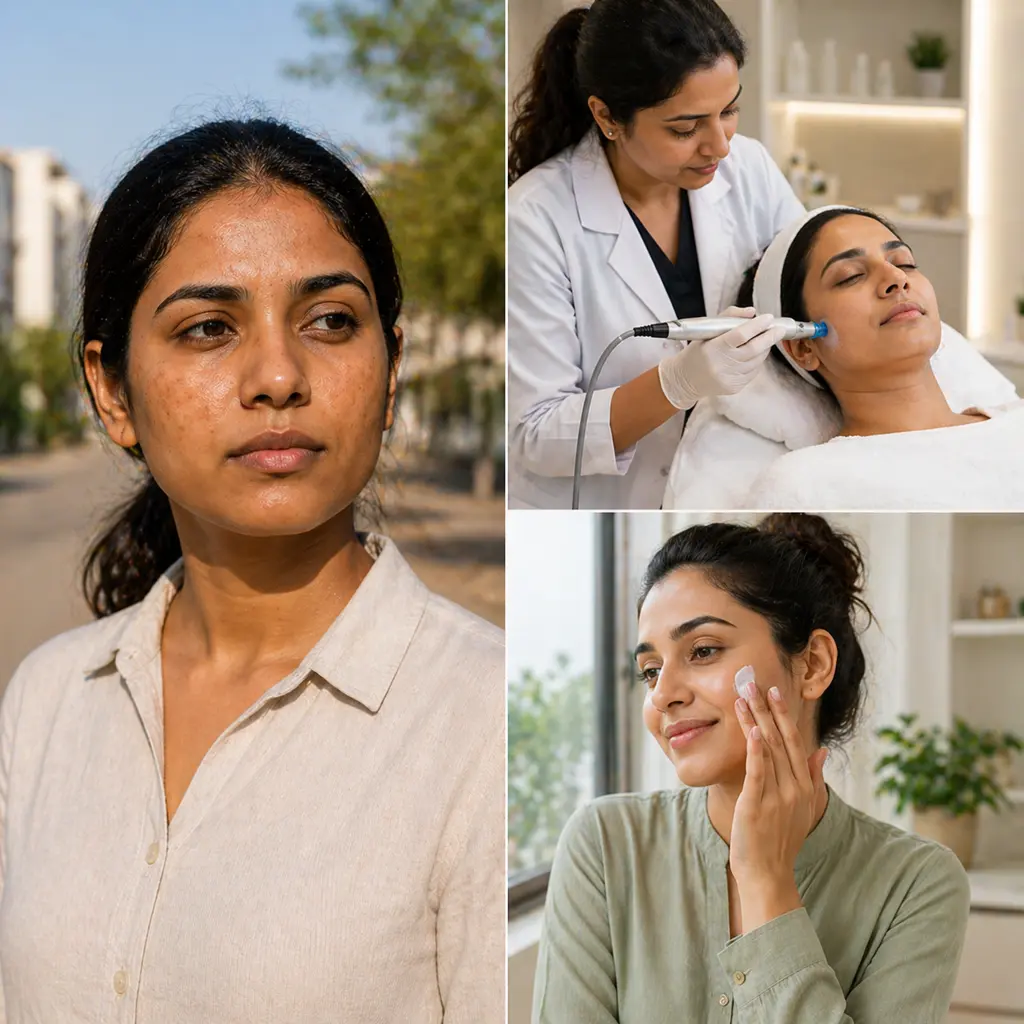
Clinical treatments work at a deeper level than any home approach can reach. They clear melanin from the lower skin layers and leave the skin in a genuinely renewed state. Because the pigmentation is addressed at its source rather than masked from above, the results last considerably longer, often months to years with consistent aftercare.
How Long Results Actually Hold
Results do not last the same length of time for everyone. Four variables shape longevity:
Your daily habits. Consistent daily protection is often the difference between results that last a year and results that fade in a few months.
Your maintenance schedule. A periodic session every few months can extend your results considerably. Skipping it is not catastrophic, but pigmentation can rebuild silently before you notice.
Your skin's own melanin activity. Some people's melanocytes are naturally more reactive than others. If you have always tanned quickly, your skin will continue to respond quickly to UV, and your maintenance plan should be adjusted accordingly.
Side by Side
|
Factor |
Temporary Approach |
Clinical Treatment |
|
How it works |
Addresses surface pigmentation only |
Targets deep melanin deposits |
|
Result duration |
Days to weeks |
Months to years with aftercare |
|
Return risk |
High |
Low with consistent aftercare |
|
Best for |
Recent or mild surface tan |
Deep, old, or stubborn tan |
Why Tan Can Return
Even after a successful clinical course, tan can return. Understanding why helps you prevent it.
Melanocytes do not stop functioning after treatment. They remain active, and UV exposure will always trigger melanin production. This is not a failure of the treatment, it is simply how skin works.
The difference is that clinical treatment has cleared the slate. The existing deep pigmentation has been addressed. What happens next depends entirely on how the skin is protected going forward.
Three Things That Preserve Your Results
Daily sun protection. Broad-spectrum sunscreen every morning is the single most important step in maintaining results. Reapply every few hours during sustained outdoor time.
Protective habits. Wide-brimmed hats, long sleeves during extended outdoor activity, and seeking shade during peak sun hours all slow the rate at which pigmentation rebuilds.
Periodic maintenance. A session every three to six months keeps any new surface pigmentation in check before it has a chance to settle deeper. Think of it as servicing the result, not repeating the full course.
Who Holds Results the Longest
People whose routine keeps them largely indoors and who are consistent with daily protection tend to see the longest outcomes, often a year or more. Those who work outdoors, travel frequently to sunny destinations, or are less consistent with protection typically need more frequent maintenance.
Age and skin type also play a role. Younger skin renews faster and can rebuild tan more quickly if unprotected. Skin with naturally higher melanin levels can be more prone to uneven re-tanning. Neither is a clinical problem, they simply mean the maintenance plan should be matched to the skin.
Signs You Need a Maintenance Session
Your skin does not send an alarm when tan begins to rebuild. It happens gradually, which is why many people only notice when a significant amount has returned.
Early signs include a return of unevenness in previously clear areas, such as slight shadows across the cheekbones, bridge of the nose, forearms, or back of the neck. A gradual overall dulling of the skin tone, even without specific dark patches, often indicates that surface pigmentation is rebuilding evenly. Any period of increased exposure, such as a holiday or extended time outdoors, is a good point to book a session before the tan settles deeper. If timing feels unclear, general guidance on treatment frequency can help you plan maintenance more effectively.
Frequently Asked Questions
Is tan removal permanent? No treatment permanently prevents future tanning, as skin will always respond to UV by producing melanin. Clinical treatments can clear existing pigmentation and deliver results that last months to years with proper aftercare. The goal is not to stop the skin from ever tanning again, but to start from a clear baseline and maintain it.
Which treatment gives the longest-lasting results? For deep or stubborn tan, laser-based clinical treatment generally holds the longest. For surface tan, a peel course can provide significant and lasting improvement. The longevity of any approach ultimately depends on how well the skin is protected afterwards.
Can old tan be permanently removed? Old tan cannot be removed in a single session, but a full clinical course can clear it effectively over time. The key is committing to the course and maintaining results afterwards. People who have carried a deep tan for years often see remarkable improvement with a properly planned course.
Conclusion
Tan removal is a process that delivers its best results when the right treatment meets the right aftercare. Clinical treatment can reach and clear deep seated pigmentation in a way home approaches cannot, but how long that result holds depends on your skin, your lifestyle, and the habits you keep afterwards.
Get a Long-Lasting Result
At Tune Clinical Aesthetics, we assess your skin and tan depth before recommending any treatment, and we build a maintenance plan designed for your lifestyle, so the results you get are genuinely built to last.
Visit tuneaesthetics.com to get in touch.