Dandruff: Causes, Treatment & How to Control It Long Term

Dandruff is a common scalp condition that causes visible flaking, often accompanied with itching or irritation. It can be associated with scalp oil, Malassezia yeast, hair-care habits, or other scalp conditions such as seborrhoeic dermatitis.
The right dandruff treatment depends on the underlying cause. Mild dandruff may improve with regular scalp cleansing and an appropriate anti-dandruff shampoo, while persistent, severe or unusual scaling may require a dermatological assessment.
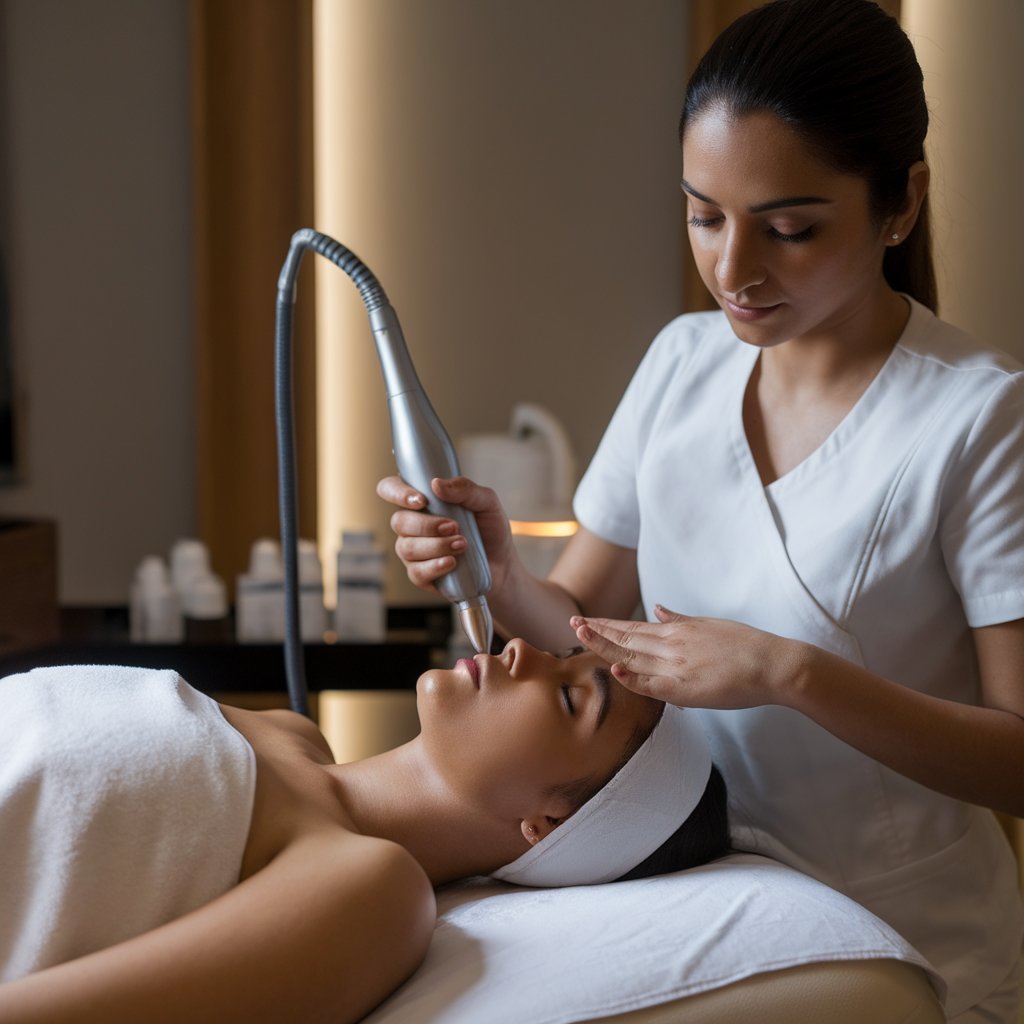
At Tune Clinical Aesthetics, the scalp and hair are assessed before recommending an approach, particularly when dandruff keeps recurring or is accompanied by hair fall.
What Is Dandruff?
Dandruff is a common scalp condition that causes visible flakes, sometimes accompanied by itching or irritation. It is not contagious and is not simply a result of poor hygiene.
However, not every flaky scalp is dandruff. Seborrhoeic dermatitis, psoriasis, eczema, contact dermatitis and fungal infections can cause similar scaling but may require different treatment.
What Causes Dandruff
There is no single cause of dandruff. Several factors can contribute to scalp flaking, and more than one may be present at the same time.
Excess Oil and Malassezia
Malassezia is a type of yeast that naturally lives on the skin. In some people, its interaction with scalp oils and the skin's inflammatory response is associated with dandruff and seborrhoeic dermatitis.
Scalp Dryness or Irritation
Scalp dryness or irritation can cause flaking that may resemble dandruff. Overuse of harsh or medicated hair products can also irritate the scalp and worsen discomfort or scaling.
Hair Products
Shampoos, hair colours and styling products can sometimes trigger contact dermatitis, causing itching, redness and flaking.
Other Scalp Conditions
Psoriasis, eczema and fungal infections can cause dandruff. Patchy hair loss, broken hairs, marked redness, pain or thick scaling should be assessed by a dermatologist. Tinea capitis, for example, can cause scalp scaling together with patchy hair loss or broken hairs.
Dry vs Oily Flakes: What Do They Mean?
Dry-looking flakes are usually small and white and may occur with scalp dryness or irritation. Oily scaling tends to be larger, yellowish or greasy and may occur alongside redness or itching, particularly with seborrhoeic dermatitis.
Other scalp conditions can look similar. Tinea capitis may cause scaling with patchy hair loss or broken hairs, while psoriasis can cause thicker, more defined scales.
Persistent or unusual scaling should therefore be assessed based on the overall scalp pattern rather than the appearance of flakes alone.
Can Dandruff Cause Hair Fall?
Dandruff itself does not usually cause permanent hair loss. However, dandruff and hair fall can occur together, particularly when the scalp is itchy or inflamed.
Hair fall can also have other causes, including hormonal, genetic, nutritional and post-illness factors. Persistent hair fall should therefore be assessed separately rather than automatically attributed to dandruff.
If you notice increased shedding, thinning, a widening part or visible scalp along with dandruff, consider an assessment for other causes of hair loss.
Do Dandruff Home Remedies Work?
Evidence for common dandruff home remedies is limited, and some can irritate the scalp.
Tea tree oil, lemon juice, apple cider vinegar and baking soda are commonly suggested online, but they should not be considered substitutes for evidence-based dandruff care. Acidic or abrasive ingredients may further irritate an already sensitive scalp.
A simpler approach is usually more appropriate: use a suitable anti-dandruff shampoo, avoid scratching, rinse the scalp thoroughly and stop products that consistently trigger irritation.
When Should You See a Dermatologist for Dandruff?
See a dermatologist if dandruff persists despite appropriate treatment or is accompanied by significant itching, redness, pain, thick scaling or hair loss.
You should also consider a scalp assessment at Tune Aesthetics if you notice:
- Persistent dandruff despite appropriate shampoo use
- Severe itching, redness, pain or swelling
- Thick or firmly attached scales
- Patchy hair loss or broken hairs
- Scaling that spreads to the eyebrows, ears or face
- A sudden scalp reaction after using a new hair product
These symptoms do not necessarily indicate a serious condition, but they can suggest that the scaling is caused by something other than simple dandruff.
Dandruff Treatment at Tune Clinical Aesthetics
At Tune Clinical Aesthetics, recurring dandruff is assessed by looking at the scalp, including scaling, oiliness, irritation and relevant hair-care factors.
If hair fall is also present, it is assessed separately rather than automatically being attributed to dandruff. Depending on the findings, your plan may include targeted scalp care, medical support and personalised hair loss treatment.
The goal is to manage the underlying scalp concern and support healthier hair, rather than simply clearing visible flakes for a short period.
Can Dandruff Be Controlled Long Term?
Dandruff can often be controlled long term, but it may recur and some people need maintenance care to keep symptoms under control. For conditions such as seborrhoeic dermatitis, dermatologists may recommend continuing medicated shampoo at a lower frequency after the initial flare is controlled.
Helpful habits include:
- Follow a washing routine appropriate for your scalp and hair type.
- Use medicated shampoo as directed when it has been recommended.
- Avoid scratching or aggressively removing scales.
- Stop or reduce products that repeatedly irritate your scalp.
- Identify factors that appear to worsen your symptoms.
- Seek assessment if the pattern changes or hair loss develops.
The long-term routine depends on the underlying cause. Someone with uncomplicated dandruff may not need the same maintenance plan as someone with seborrhoeic dermatitis or another scalp condition.
FAQs
Is dandruff a fungal infection?
Not exactly. Malassezia yeast naturally lives on the skin and can be associated with dandruff, but dandruff itself is not the same as a contagious fungal infection. A condition such as tinea capitis is a true fungal infection and requires specific medical treatment.
What are the main causes of dandruff?
Common contributing factors include oily skin, scalp irritation, hair-care habits and the interaction between Malassezia yeast and the scalp. Conditions such as seborrhoeic dermatitis, eczema, psoriasis and fungal infections can also cause similar scaling.
Can dandruff cause hair fall?
Dandruff does not usually cause permanent hair loss, but itching, scratching, inflammation or an underlying scalp condition can contribute to temporary shedding or hair breakage. Persistent hair fall should be assessed separately.
What is the best dandruff treatment?
There is no single best treatment for everyone. Mild dandruff may improve with regular cleansing and an appropriate anti-dandruff shampoo, while persistent or recurrent symptoms may require a different active ingredient or assessment for an underlying scalp condition.
How can I remove dandruff quickly?
Anti-dandruff shampoos can reduce flaking, but the time needed for improvement depends on the cause and product used. Follow the product instructions and seek medical advice if symptoms do not improve.
Do dandruff home remedies work?
Evidence for many home remedies is limited, and some can irritate the scalp. An appropriate anti-dandruff shampoo and a consistent scalp-care routine are generally more reliable approaches.
Can dandruff be permanently cured?
Dandruff can often be controlled effectively, but it may return. Some people need maintenance care to help prevent recurrent flaking.
When should I see a dermatologist for dandruff?
See a dermatologist if dandruff persists despite appropriate shampoo use or if you develop severe itching, redness, pain, thick scaling, patchy hair loss or other unusual scalp changes.
Can treating the scalp also improve hair fall?
Sometimes. If scalp inflammation is contributing to shedding or breakage, managing the scalp condition may help. However, hair fall has many possible causes and should not automatically be attributed to dandruff.