Chemical Peel for Pigmentation: Types, Results & Safety

A chemical peel for pigmentation can help improve certain types of uneven skin tone, dark spots and post-acne pigmentation by promoting controlled exfoliation and skin renewal. However, chemical peels are not suitable for every type of pigmentation, and the wrong peel or excessive irritation can sometimes worsen pigmentation, particularly in skin of colour.
The right approach depends on what is causing the pigmentation, how deep it is, your skin tone, sensitivity and previous response to procedures. For concerns such as melasma or post-inflammatory hyperpigmentation (PIH), a peel may be used as part of a broader plan that can also include sun protection, topical skincare and other dermatologist-guided treatments.
At Tune Clinical Aesthetics, Vivid is a doctor-led pigment defined protocol, where the treatment plan is selected according to the pigmentation pattern, skin characteristics and clinical assessment rather than using the same peel for every concern.
What Is a Chemical Peel for Pigmentation?
A chemical peel applies a controlled chemical solution to the skin to remove or loosen damaged surface cells and stimulate skin renewal. Depending on the formulation and depth, peels can also improve concerns such as uneven tone, acne-related pigmentation, dullness and rough texture.
For skin pigmentation, the goal is not to simply “remove colour” from the skin. Instead, treatment aims to reduce excess pigmentation while minimising irritation that could trigger further pigment production.
This distinction is particularly important in Indian and other melanin-rich skin types, where post-inflammatory hyperpigmentation can occur after skin inflammation or procedures.
How Does a Chemical Peel Help Pigmentation?
Chemical peels can accelerate the shedding of superficial skin cells and promote more even skin renewal. This can help reduce the appearance of epidermal pigmentation and some post-inflammatory marks.
However, not all pigmentation is superficial. Conditions such as melasma can involve multiple contributing factors and may recur even after visible pigmentation improves. For this reason, chemical peels are generally considered an adjunct or second-line option for melasma rather than a universal solution.
The peel selected depends on:
- Type and cause of pigmentation
- Depth and distribution of pigmentation
- Skin tone and phototype
- Skin sensitivity and barrier condition
- Previous treatments and reactions
- Presence of active acne or inflammation
- Expected downtime and recovery
Types of Chemical Peels for Pigmentation
Chemical peels are commonly classified according to how deeply they act in the skin. The strength, formulation and application technique also influence their depth and effect.
1. Superficial Chemical Peels
Superficial peels primarily affect the outer layers of the skin and are commonly considered for mild pigmentation, post-acne marks, dullness and uneven texture.
Examples may include formulations containing agents such as glycolic acid or salicylic acid, depending on the indication.
They generally involve less downtime than deeper peels, but results still depend on the underlying cause of pigmentation.
2. Medium-Depth Peels
Medium-depth peels penetrate further into the skin and can produce more significant peeling and recovery.
They may be considered for selected pigmentation or other dermatological concerns, but deeper does not automatically mean better. In skin of colour, more aggressive treatment can increase the risk of post-inflammatory pigmentary changes if the skin is not appropriately selected and managed.
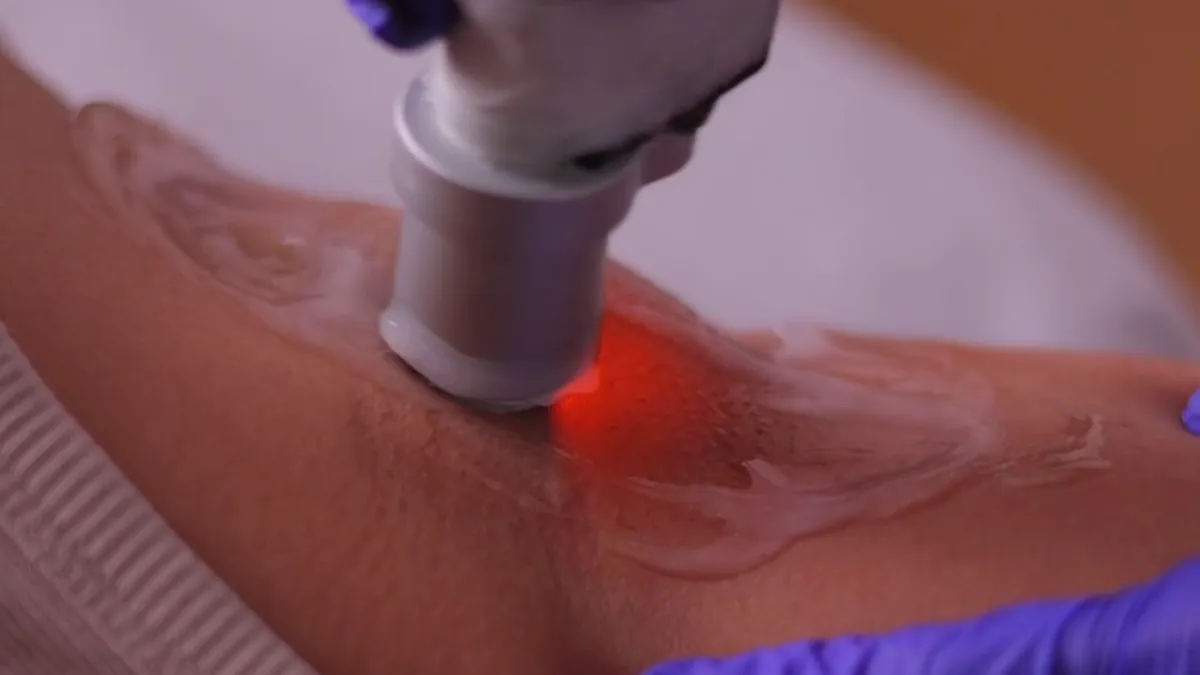
3. Body Peels
Pigmentation can also affect areas such as the underarms, elbows, knees, back and other body areas.
A body peel may be considered for selected concerns involving uneven tone, rough texture or buildup. At Tune, body peels are selected according to the body area, skin type and concern rather than using one formulation for everyone.
For body-specific pigmentation concerns, you can explore Tune’s Body Peel Treatment.
Chemical Peel for Dark Spots: Does It Work?
A chemical peel for dark spots can improve the appearance of some superficial pigmentation, including certain sun-related spots and post-acne pigmentation.
However, “dark spots” can describe several different conditions. A dermatologist may need to distinguish between:
Type of pigmentation | Can a chemical peel help? | Important consideration |
Post-acne pigmentation/PIH | May help | Controlling active acne and inflammation is also important |
Mild superficial pigmentation | May help | Peel depth should match the pigmentation |
Melasma | May be used as an adjunct | Usually requires a broader, long-term approach |
Sun-related pigmentation | May help in selected cases | Diagnosis is important before treatment |
Dermal or deeper pigmentation | Variable response | A superficial peel may not adequately address the pigment |
Research supports the use of chemical peels for some pigmentary disorders, but outcomes vary and evidence is not equally strong for every pigmentation type.
If you are unsure what type of pigmentation you have, a pigmentation consultation is more appropriate than choosing a peel based only on the appearance of a dark spot.
Chemical Peel Benefits for Pigmentation
Depending on the peel and the underlying concern, potential benefits may include:
- Reduced appearance of superficial pigmentation
- More even-looking skin tone
- Smoother skin texture
- Improved skin radiance
- Improvement in some post-acne marks
- Controlled exfoliation and skin renewal
Chemical peels should not be presented as a guaranteed way to permanently remove pigmentation. Pigmentation can recur when the underlying trigger continues, particularly with conditions such as melasma and PIH.
Are Chemical Peels Safe for Indian Skin?
Chemical peels can be used in Indian and other skin-of-colour populations, but treatment needs to be carefully selected and performed.
The important issue is not that Indian skin is inherently unsuitable for chemical peels. Rather, individuals with more heavily pigmented skin can have a greater risk of post-inflammatory hyperpigmentation or other pigmentary complications following skin injury or excessive irritation.
A dermatologist may therefore consider:
- Skin phototype and pigmentation tendency
- Existing PIH or melasma
- Current inflammation or acne
- Skin-barrier condition
- Previous peel or laser reactions
- Appropriate peel formulation and concentration
- Treatment frequency
- Required pre- and post-procedure skincare
- Sun and visible-light exposure
For melasma specifically, Indian expert consensus has recommended careful patient preparation and positioning chemical peels as an adjunct rather than relying on peeling alone.
The objective should be to improve uneven pigmentation without unnecessarily irritating the skin or attempting to change the person's natural skin colour.
Chemical Peel Results: When Can You See a Difference?
Results depend on the pigmentation being treated and the type of peel used.
After a superficial peel, you may experience temporary redness, dryness, tightness or peeling before the skin settles. More intensive peels generally require greater recovery.
Pigmentation often improves gradually rather than immediately. Some people may require a series of treatments, while others may need a different or combined approach depending on the diagnosis.
Importantly, the number of sessions should not be presented as a fixed formula. The appropriate interval and number of treatments depend on the peel, pigmentation, skin response and clinical assessment.
Chemical Peel Aftercare
Aftercare is an important part of pigmentation management because irritation and UV exposure can contribute to further pigment changes.
Your dermatologist may recommend:
- Daily broad-spectrum sun protection
- Gentle cleansing and moisturising
- Avoiding picking or peeling the treated skin
- Temporarily avoiding irritating skincare products when advised
- Following the prescribed post-peel skincare routine
- Avoiding unnecessary sun exposure during recovery
For pigmentation-prone skin, sun protection is particularly important because photoprotection forms a core part of managing hyperpigmentation and melasma.
If the skin develops significant burning, swelling, blistering or worsening pigmentation after a peel, contact the treating clinician rather than attempting to manage the reaction yourself.
Chemical Peel vs Other Pigmentation Treatments
A chemical peel is only one option for pigmentation.
Depending on the diagnosis, a dermatologist may consider:
Approach | May be considered for |
Topical pigmentation medicines | PIH, melasma and other superficial pigmentation |
Chemical peels | Selected superficial pigmentation and as an adjunct in some conditions |
Laser/light-based procedures | Selected pigmentary disorders, with careful patient selection |
Microneedling | Selected pigmentation concerns and combination protocols |
Sun/visible-light protection | Essential component of pigmentation management |
Combination approaches | Persistent or multifactorial pigmentation |
The appropriate option depends on the diagnosis rather than simply how dark the pigmentation looks. Current consensus recommendations also emphasise tailoring treatment to the pigmentation subtype, skin type and individual risk factors.
How Tune Clinical Aesthetics Approaches Pigmentation
At Tune Clinical Aesthetics, our skin care treatments focus should be on identifying the pigmentation pattern before selecting a procedure.
With Vivid, the approach is designed around the individual's skin and pigmentation rather than automatically recommending the same peel for every patient.
Depending on the concern, the plan may involve:
- Pigmentation-focused skincare
- Chemical peels
- Body peels for suitable body-area concerns
- Other skin-rejuvenation procedures
- Sun protection and maintenance skincare
Can Chemical Peels Permanently Remove Pigmentation?
No. A chemical peel cannot guarantee permanent removal of pigmentation.
Pigmentation may return if the underlying trigger continues. For example, melasma has a chronic and recurrent nature, while PIH can persist or recur when inflammation continues.
Long-term management therefore involves more than the procedure itself. Sun protection, appropriate skincare and control of the underlying trigger are important for maintaining improvement.
Final Takeaway
A chemical peel for pigmentation can improve selected types of superficial pigmentation, post-acne marks and uneven skin tone, but it is not a universal solution for every dark spot.
The most important step is identifying why the pigmentation is present before deciding how aggressively to treat it. This is particularly relevant for Indian and other melanin-rich skin, where excessive irritation can trigger additional pigmentation.
At Tune Clinical Aesthetics, Vivid takes a skin-specific approach to pigmentation, with options such as chemical peels, body peels and other pigmentation or skin-rejuvenation approaches considered according to the individual's concern and skin response.
Book a consultation with the Tune Clinical Aesthetics team to have your pigmentation assessed and understand which treatment approach may be suitable for your skin.
Frequently Asked Questions
How many chemical peel sessions are needed for pigmentation?
There is no fixed number of sessions for everyone. The number depends on the type of pigmentation, peel selected, skin response and treatment goals. Your dermatologist can determine the appropriate treatment interval after assessing your skin.
Which chemical peel is best for pigmentation?
There is no single peel that is best for every pigmentation concern. Superficial peels may be considered for selected superficial pigmentation, while other concerns may require a different or combined approach. The peel should be chosen according to the diagnosis, skin type and tolerance.
Can chemical peels remove pigmentation permanently?
No. Chemical peels may reduce visible pigmentation, but they cannot guarantee permanent removal. Pigmentation can recur when triggers such as UV exposure, inflammation or hormonal factors continue.
Are chemical peels safe for Indian skin?
They can be, when appropriately selected and performed with suitable precautions. Skin of colour has a higher risk of post-inflammatory pigmentary complications after irritation or injury, so peel depth, formulation and aftercare need to be carefully considered.
Can a chemical peel treat melasma?
Chemical peels may be used as an adjunctive treatment for melasma, but they are generally not a standalone solution. Melasma management commonly requires photoprotection, topical treatment and, when appropriate, carefully selected procedures.
Can I get a chemical peel for sensitive skin?
Possibly, but sensitive or irritated skin requires careful assessment. A dermatologist may decide to postpone treatment, prepare the skin first or choose a gentler approach depending on the condition of the skin.
How long does skin peel after a chemical peel?
The amount of peeling depends on the type and depth of the peel. Superficial peels may cause dryness or scaling for several days, whereas deeper peels involve longer recovery.
Can I go out in the sun after a chemical peel?
Sun protection is particularly important after a peel. Your treating clinician should provide specific instructions based on the peel used and your recovery. Daily sunscreen and limiting unnecessary sun exposure are important for pigmentation-prone skin.
Popular Searches
Hydrafacial Erode | Aesthetic Clinic Coimbatore | Underarm Pigmentation Treatment | Dermaplaning Chennai | Laser Hair Removal Chennai | Acne Clinic In Chennai | Skin Lightening Treatment in Coimbatore | Hydrafacial Coimbatore
Popular Blogs
Types Of Stretch Marks | What Does Tanning Do To Your Skin | How To Stop Hair Loss | Hydrafacial Cost In Chennai | How to Tighten Neck Skin | How To Stop Leg Hair Growth | PRP Treatment for Hair | How To Remove Dark Circles | How To Remove Pimple Marks | Dandruff Causes & Treatment