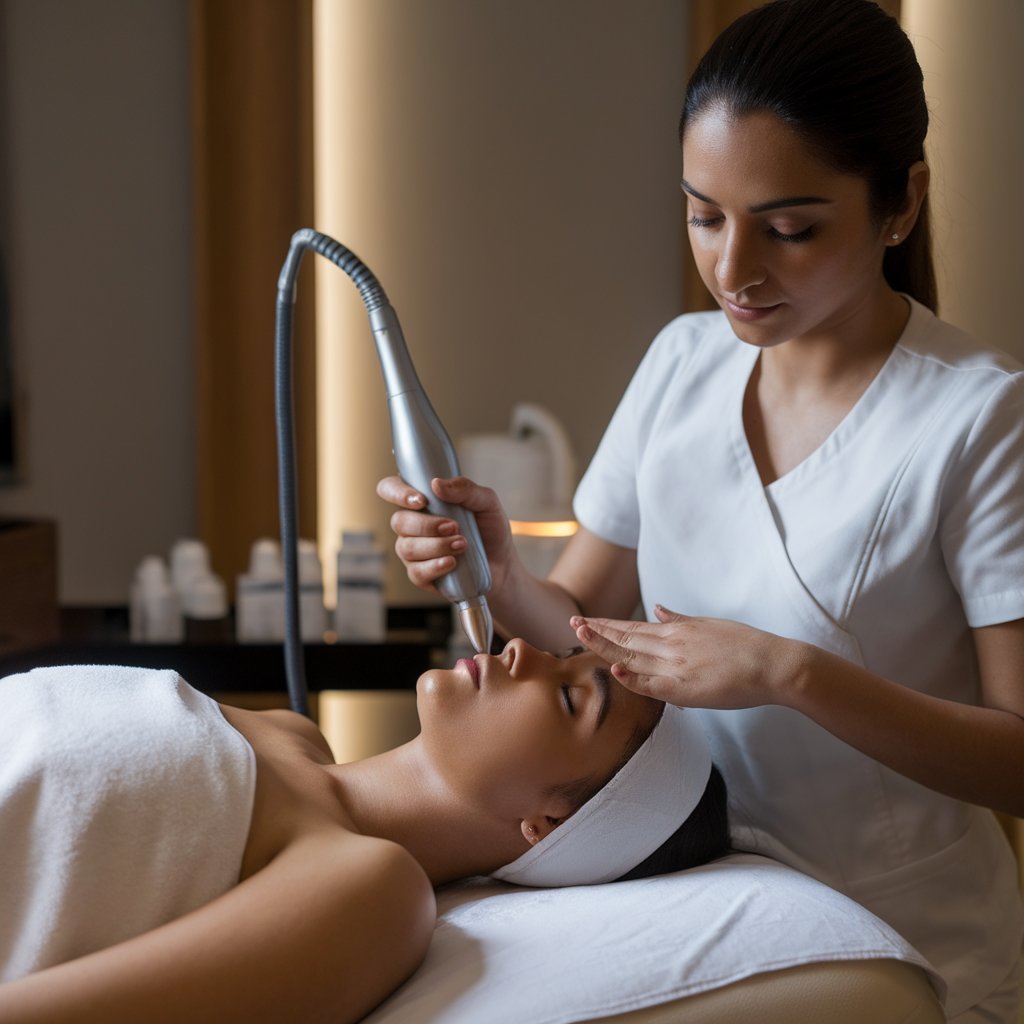
Melasma Treatment for Indian Skin: Why It Happens & How to Treat It

Melasma is a chronic skin pigmentation condition that causes brown or grey-brown patches, usually on the cheeks, forehead, upper lip and chin. Common triggers include sun exposure, visible light, hormonal changes, genetics and inflammation.
Melasma treatment in Chennai at Tune Aesthetic Clinic aims to reduce pigmentation, control triggers and prevent recurrence. For Indian and other darker skin tones, treatment needs to be selected carefully because irritation can increase the risk of post-inflammatory hyperpigmentation (PIH).
What Is Melasma?
Melasma is a chronic acquired pigmentation disorder caused by increased melanin production. It most commonly affects the face and appears symmetrically on the cheeks, forehead, upper lip and chin.
The patches may be light brown, dark brown or grey-brown. Unlike a simple tan or post-acne pigmentation, melasma has a characteristic facial distribution and can recur when triggers are not controlled.
What Causes Melasma?
Melasma usually results from a combination of genetic susceptibility, hormonal influences, sunlight, visible light and environmental or inflammatory factors.
Sun Exposure and Visible Light
Sun exposure is one of the main triggers for melasma. UV radiation stimulates melanin production and can darken existing pigmentation.
Visible light can also worsen melasma, particularly in darker skin tones, making consistent photoprotection an important part of management.
Hormonal Changes
Melasma is associated with hormonal influences such as pregnancy, oral contraceptives and some hormone therapies. These factors may contribute to melasma in people who are already susceptible.
Heat and Inflammation
Heat may contribute to melasma in some people, while skin irritation and inflammation can worsen pigmentation. Harsh skincare products and inappropriate procedures may increase the risk of PIH, particularly in skin of colour.
Genetics and Skin Type
Genetic susceptibility influences who develops melasma and how persistent it becomes. Although melasma can affect any skin tone, it is commonly seen in brown and darker skin.
Why Is Melasma Common in Indian Skin?
Melasma can affect any skin tone, but it is commonly seen in people with brown or darker skin, including many individuals of Asian and Indian backgrounds.
A key consideration is post-inflammatory hyperpigmentation (PIH). In skin of colour, acne, irritation or procedures can cause darker marks that may persist for months or longer.
This is particularly important when considering chemical peels, lasers and other procedures. Treatment intensity, patient selection and aftercare should be carefully considered to minimise unnecessary pigmentation changes.
The goal is not to use the strongest treatment, but to choose an approach suited to the pigmentation and skin type.
Melasma vs Pigmentation: Are They the Same?
No. Pigmentation is a broad term for changes in skin colour, while melasma is a specific pigmentation disorder with characteristic facial patterns.
Other causes of facial pigmentation include post-inflammatory hyperpigmentation after acne or irritation, sun-related pigmentation and medication-related pigmentation disorders.
Because these conditions can look similar, diagnosis should come before treatment selection. A dermatologist may assess the pigmentation visually and, when appropriate, use tools such as a Wood's lamp or dermatoscope.
If you are unsure whether you have melasma or another pigmentation concern, a skin pigmentation consultation can help identify the likely cause.
What Treatments Are Used for Melasma?
There is no single best treatment for melasma. Management commonly combines photoprotection with topical medication and, in selected cases, procedures.
1. Photoprotection
Daily sun protection is a core part of melasma management.
Use a broad-spectrum sunscreen with SPF 30 or higher, along with shade and sun-protective clothing. Because visible light can worsen melasma, tinted sunscreen containing iron oxides may provide additional protection.
Consistent photoprotection is also important for reducing recurrence.
2. Topical Treatments
Depending on the individual case, a dermatologist may prescribe hydroquinone, tretinoin, azelaic acid or combination formulations.
These treatments can reduce excess pigmentation through different mechanisms. They should be selected and monitored carefully because excessive irritation may worsen pigmentation.
3. Chemical Peels
Chemical peels may be considered for selected patients, usually as part of a broader treatment plan.
The type, concentration and frequency should be selected according to the individual's skin type and pigmentation. In skin of colour, excessive irritation can increase the risk of PIH.
4. Laser and Light-Based Procedures
Laser and light-based procedures may help selected patients but are not suitable for every type of melasma.
In skin of colour, careful patient selection and conservative treatment parameters are important because procedures can sometimes trigger additional pigmentation.
5. Other Medical Options
For persistent melasma, a dermatologist may consider additional prescription options.
Tranexamic acid has been studied for difficult-to-treat melasma, but it is not suitable for everyone and requires medical assessment before use. Medical history, including a history of blood clots, should be considered before oral tranexamic acid is prescribed.
How We Approach Melasma at Tune Clinical Aesthetics
At Tune Clinical Aesthetics, melasma treatment begins with assessing the pigmentation pattern, skin type, previous treatments and possible triggers.
The approach is typically staged: control triggers and stabilise the condition first, then address pigmentation.
Depending on the case, the plan may include medical skincare, selected procedures or a combination approach.
The goal is not to change your natural skin tone, but to reduce the contrast created by melasma for a more even complexion.
How Long Does Melasma Treatment Take?
Melasma usually improves gradually rather than overnight. The timeline depends on the duration and severity of the condition, treatment plan and response.
The American Academy of Dermatology notes that results can take around 3–12 months, with longstanding melasma potentially requiring more time.
Why Does Melasma Come Back?
Melasma is a chronic, recurrent condition, so improvement does not eliminate the tendency to develop pigmentation.
Long-term management may include:
- Consistent photoprotection
- Appropriate skincare
- Avoiding persistent skin irritation
- Maintenance treatment when recommended
- Periodic dermatological review
Conclusion
Melasma is influenced by sunlight, visible light, hormones, genetics and inflammation. Effective management therefore involves more than simply targeting visible pigmentation.
The right melasma treatment starts with confirming the diagnosis, controlling relevant triggers and selecting treatments appropriate for the skin type and pigmentation pattern.
At Tune Clinical Aesthetics, the best skincare clinic in India, the focus is on a staged approach to improve uneven pigmentation while limiting unnecessary irritation and recurrence.
FAQs
Can melasma be completely cured?
Melasma can often be significantly improved, but it can recur. Long-term photoprotection and maintenance are important for controlling pigmentation.
Does melasma only happen because of sun exposure?
No. Sunlight and visible light are important triggers, but hormonal influences, genetics and other factors can also contribute.
Can I treat melasma with skincare alone?
Some people improve with dermatologist-guided skincare and photoprotection. Others may need additional treatments depending on the severity, pattern and response.
What is the best treatment for melasma?
There is no single best treatment for everyone. Photoprotection, topical medication and selected procedures may be used depending on the individual's skin and melasma.
Is laser treatment safe for Indian skin with melasma?
Laser treatment may be suitable for selected patients, but it requires careful assessment and appropriate parameters. Procedures can sometimes trigger additional pigmentation, particularly in skin of colour.
How is melasma different from post-acne pigmentation?
Post-acne pigmentation is a form of post-inflammatory hyperpigmentation caused by inflammation such as acne, while melasma is a distinct pigmentation disorder with characteristic facial patterns and multiple contributing triggers.
Can melasma be removed permanently?
There is no guaranteed permanent removal of melasma. It can be significantly improved, but recurrence is possible.
How quickly can melasma treatment work?
Melasma usually takes time to improve. Visible results may take around 3–12 months, depending on the condition and treatment plan.
When should I see a dermatologist for facial pigmentation?
Consider a dermatological assessment if pigmentation persists, repeatedly returns, changes in appearance or does not respond to your usual skincare. A clinician can determine whether it is melasma, PIH or another pigmentation disorder before treatment is selected.
Popular Searches
Dermaplaning in Chennai | Hydra Facial In Chennai | Tattoo Removal In Coimbatore | Laser Hair Removal In Coimbatore | Aesthetic Clinic In India
Popular Blogs
Why Do I Tan So Easily | How Long Does A Hydrafacial Take | Skin Tag Removal Vs Wart Removal | Hydrafacial Cost In Chennai | How To Reduce Leg Hair Growth | PRP Treatment for Hair | How To Stop Hair Fall | How to Remove Dark Circles Permanently