Underarm Whitening: Causes of Dark Underarms & Treatment
Dark underarms can result from shaving, friction, deodorant irritation, ingrown hairs, inflammation or certain medical conditions. The best way to lighten underarms is to identify the cause first rather than immediately using stronger whitening products or procedures.
For persistent pigmentation, treatment may include gentle skincare, topical or exfoliating treatments, chemical peels or other pigmentation-focused procedures, depending on the cause and skin type.
Why Do Underarms Become Dark?
Our underarms are exposed to frequent friction, hair removal and personal-care products. Repeated irritation and inflammation can trigger post-inflammatory hyperpigmentation (PIH), making the skin appear darker.
Common causes include:
Shaving and Hair Removal
Frequent shaving, waxing and ingrown hairs can irritate the skin. Repeated inflammation from hair removal may contribute to underarm pigmentation.
If pigmentation appeared or worsened after changing your hair-removal routine, reducing irritation may help.
Friction
Tight clothing, skin-to-skin friction and repeated movement can irritate the underarm and contribute to darker skin over time.
Deodorants and Personal-Care Products
Fragrance and other ingredients in deodorants may irritate sensitive skin. Persistent itching, burning, redness or dryness can contribute to pigmentation after the inflammation settles.
Acanthosis Nigricans
Dark underarms are not always a cosmetic pigmentation concern.
Acanthosis nigricans causes dark, thickened and velvety-looking skin, commonly affecting the underarms, neck and other skin folds. It can be associated with insulin resistance, prediabetes, diabetes and certain hormonal or medical conditions.
If the skin is becoming noticeably thicker or similar dark patches are appearing on the neck or other folds, a dermatologist should assess the underlying cause.
Can Home Care Help Dark Underarms?
Yes, particularly when irritation is contributing to the pigmentation.
Try to:
- Use a clean, sharp razor and avoid dry shaving.
- Reduce friction from tight clothing.
- Choose gentle, fragrance-free personal-care products if deodorants cause irritation.
- Avoid harsh scrubs and excessive exfoliation.
- Avoid DIY remedies such as lemon juice and baking soda, which can irritate the skin.
If pigmentation persists despite these changes, a dermatologist can recommend appropriate topical or exfoliating treatments.
When Do You Need Clinical Treatment?
Consider professional assessment if:
- Pigmentation persists despite reducing irritation.
- The skin becomes thickened or velvety.
- Pigmentation continues to become darker.
- Similar pigmentation appears on the neck or other folds.
- Home skincare causes irritation or does not improve the concern.
Treating the underlying trigger is important because pigmentation may return if the source of irritation continues.
Depending on the cause and skin type, dark underarm treatment may include chemical peels or pigmentation-focused procedures.
What About Laser Hair Removal?
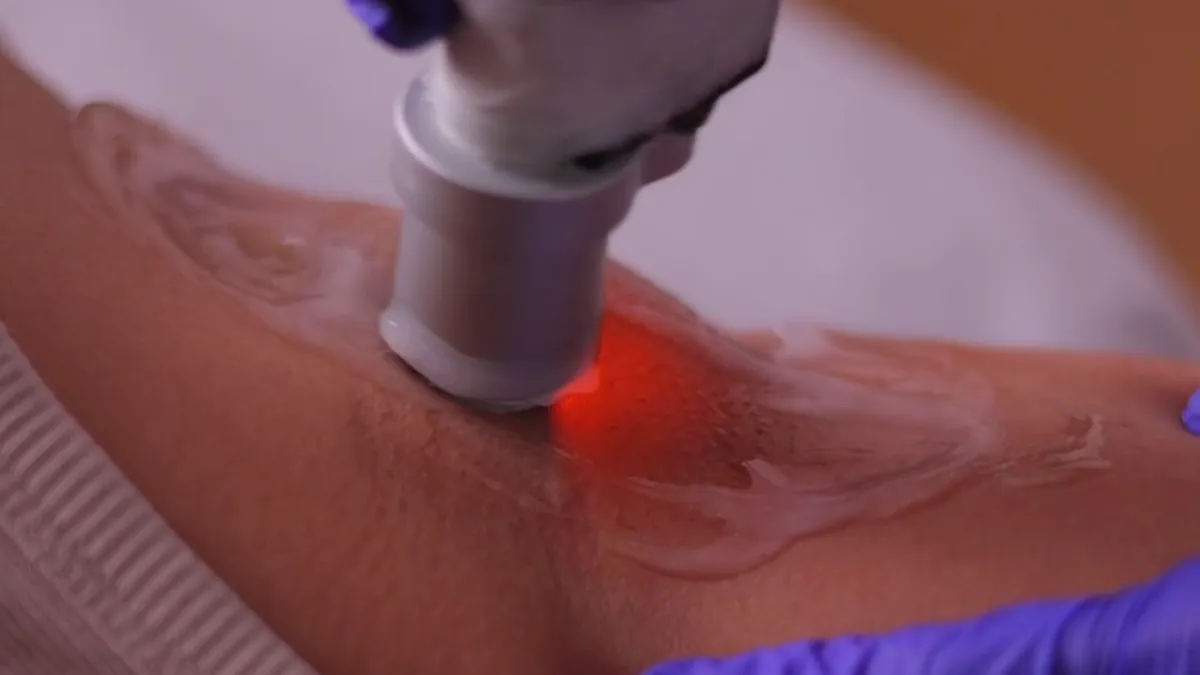
Underarm laser hair removal treatment may help reduce shaving-related irritation and visible hair shadowing, but it does not directly remove established pigmentation.
If frequent shaving or ingrown hairs are contributing to dark underarms, reducing hair growth may help prevent repeated irritation. Existing pigmentation may still require a separate pigmentation-focused approach.
Is Underarm Whitening Safe for Indian Skin?
Underarm pigmentation needs to be treated carefully in melanin-rich skin because excessive irritation can trigger post-inflammatory hyperpigmentation.
The aim should not be to change your natural skin colour. Instead, treatment should focus on reducing excess pigmentation and creating a more even-looking tone while protecting the skin barrier.
The appropriate treatment depends on the pigmentation, skin sensitivity, previous reactions and underlying cause.
How We Approach Underarm Pigmentation at Tune Clinical Aesthetics
At Tune Clinical Aesthetics, the first step is identifying what is contributing to the pigmentation, such as hair-removal irritation, friction, product sensitivity or another underlying condition.
For persistent pigmentation, suitable patients may be considered for Vivid, Tune's pigmentation-focused approach, or chemical peels.
Treatment is selected according to the skin's condition and skin pigmentation rather than using the same protocol for every patient.
Can Underarm Pigmentation Come Back?
Yes. Pigmentation may return if the factors that caused it such as friction, shaving irritation or product sensitivity continue.
After underarm whitening treatment, maintaining a gentle hair-removal routine, reducing friction and avoiding products that irritate the skin can help support longer-lasting improvement.
If an underlying condition such as acanthosis nigricans is responsible, managing that condition is also important.
When Should You See a Dermatologist?
See a dermatologist if underarm pigmentation is persistent, rapidly worsening, thickened or velvety, or appears alongside similar dark patches on the neck or other folds.
For mild pigmentation linked to shaving or irritation, improving your routine may help. If the darkness persists, professional assessment can determine whether you need targeted treatment.
Conclusion
Dark underarms can have several causes, from shaving and friction to product irritation and medical conditions such as acanthosis nigricans.
Reducing irritation may improve mild pigmentation, while persistent underarm pigmentation may require dermatologist-guided skincare or clinical treatment.
At Tune Clinical Aesthetics, the approach begins by identifying the cause before considering options such as Vivid or chemical peels.
FAQs
What causes dark underarms?
Common causes include shaving, friction, ingrown hairs, deodorant irritation and inflammation. Dark, thickened or velvety skin may indicate acanthosis nigricans.
How can I lighten my underarms at home?
Reduce shaving and friction, use gentle personal-care products and avoid harsh scrubs or DIY remedies. Persistent pigmentation should be assessed before using stronger brightening treatments.
What is an underarm whitening treatment?
Underarm whitening treatment refers to approaches designed to reduce excess pigmentation and create a more even-looking skin tone. Depending on the cause, options may include skincare, chemical peels or pigmentation-focused procedures.
Can laser hair removal reduce underarm darkness?
It may help reduce shaving-related irritation and visible hair shadowing, but it does not directly treat established pigmentation. Existing pigmentation may require separate treatment.
Why does Indian skin need special consideration for underarm pigmentation?
Melanin-rich skin can be more prone to post-inflammatory hyperpigmentation after irritation. Treatment therefore needs to account for skin tone, sensitivity and the risk of further pigmentation.
Popular Searches
Hydrafacial Erode | Aesthetic Clinic Coimbatore | Underarm Pigmentation Treatment | Dermaplaning Chennai | Laser Hair Removal Chennai | Acne Clinic In Chennai | Skin Lightening Treatment in Coimbatore | Hydrafacial Coimbatore
Popular Blogs
Types Of Stretch Marks | What Does Tanning Do To Your Skin | How To Stop Hair Loss | Hydrafacial Cost In Chennai | How to Tighten Neck Skin | How To Stop Leg Hair Growth | PRP Treatment for Hair | How To Remove Dark Circles | How To Remove Pimple Marks | Dandruff Causes & Treatment